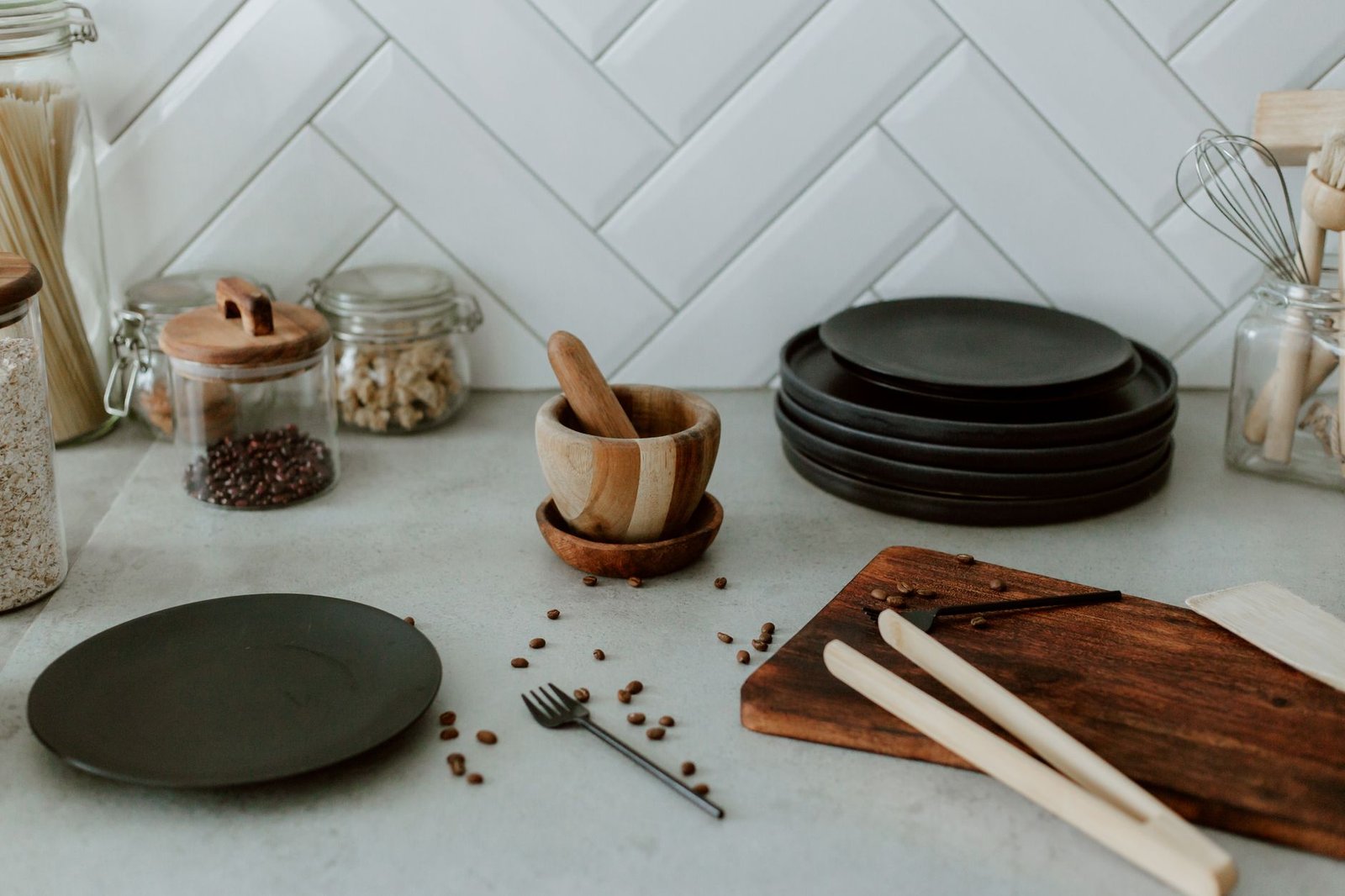
When planning a kitchen refresh for 2026, the choice between a subway tile and a herringbone backsplash often arises, representing two distinct yet enduring aesthetic philosophies. For the discerning homeowner seeking the trendiest option, neither style definitively ‘wins’ outright; instead, 2026 trends indicate a sophisticated evolution for both, with renewed focus on material innovation, texture, and personalized application. The ‘trendier’ choice for 2026 largely depends on the overarching design narrative of the kitchen, individual preference, and the specific material and finish selections, which now feature advanced technologies and sustainable compositions.
The Enduring Appeal and Evolution of Subway Tile
Subway tile has long been a stalwart in kitchen design, celebrated for its clean lines, versatility, and historical charm. For 2026, its appeal is not waning but rather diversifying through modern interpretations that push beyond the traditional 3×6 white ceramic.
Classic Aesthetics and Modern Interpretations for 2026
The classic subway tile aesthetic remains a foundation, but contemporary iterations elevate its presence. In 2026, trends point towards larger format subway tiles, such as 4×12 or even 6×18 inches, which offer a more expansive and contemporary feel, minimizing grout lines and creating a sense of spaciousness. Textural variations are also paramount, with matte finishes providing a soft, understated elegance, and artisanal, handmade tiles introducing subtle irregularities and a bespoke character. Glazed options with iridescent or metallic sheens are gaining traction, reflecting light in unique ways and adding a touch of luxury. Furthermore, the exploration of color palettes extends far beyond classic white, incorporating muted earth tones, deep jewel hues, and even two-tone designs that create visual interest. Environmentally conscious homeowners will find an abundance of subway tiles made from recycled glass or post-consumer materials, aligning with 2026’s emphasis on sustainable building practices.
Durability and Maintenance
One of the primary reasons for subway tile’s persistent popularity is its inherent durability. Typically crafted from ceramic or porcelain, these tiles are remarkably resistant to heat, moisture, and stains, making them an ideal surface for a busy kitchen. In 2026, advancements in tile manufacturing include surfaces treated with antimicrobial glazes, which inhibit the growth of bacteria and mold, enhancing hygiene and simplifying maintenance. Cleaning typically requires only a damp cloth and mild cleanser, ensuring the backsplash retains its pristine appearance for years. The long lifespan of subway tile also contributes to its sustainability profile, as it reduces the need for frequent replacement.
Installation Considerations
The installation of subway tile is generally considered straightforward compared to more intricate patterns. Its rectangular shape allows for various layouts beyond the traditional offset, including stacked horizontal or vertical patterns, herringbone (when using smaller formats), or basketweave, offering customization without significant added complexity. This relative ease often translates to more cost-effective installation labor, making it an attractive option for homeowners managing budget constraints. For a skilled installer, achieving a flawless finish with subway tile is a standard process, ensuring a smooth and even surface.
The Sophistication and Dynamic Appeal of Herringbone Backsplashes
The herringbone pattern, with its distinctive ‘V’ shape, exudes a sense of sophisticated craftsmanship and dynamic movement. It has transitioned from a classic flooring pattern to a highly sought-after backsplash design, commanding attention and adding architectural interest to any kitchen.
Dynamic Visual Impact and 2026 Trends
Herringbone backsplashes create a captivating focal point, drawing the eye and adding a layer of visual texture that is both elegant and energetic. For 2026, this pattern is being explored with an eclectic mix of materials. Natural stone, particularly slender marble or travertine tiles, is a leading trend, offering a luxurious and organic feel that aligns with biomimicry and nature-inspired designs. High-gloss ceramic or porcelain herringbone patterns in deep, saturated colors or jewel tones provide a dramatic and contemporary statement. Furthermore, metal-effect tiles, glass tiles, or even reclaimed wood cut into small herringbone pieces are emerging as innovative choices. The size of the individual tiles also plays a critical role in the overall effect; smaller, more delicate tiles create an intricate, almost textile-like appearance, while larger tiles offer a bolder, more graphic statement. High-contrast grout colors are frequently employed to emphasize the pattern, enhancing its dramatic effect and making it a true centerpiece.
Longevity and Resale Value
A well-executed herringbone backsplash, especially one crafted from premium materials, signifies an investment in quality and design. Its timeless appeal ensures that it remains relevant even as broader trends shift, contributing to the kitchen’s long-term aesthetic value. For residents considering future property sales, a herringbone backsplash is often perceived as an upscale amenity, potentially increasing the home’s resale value and attracting discerning buyers who appreciate refined details and superior craftsmanship.
Installation Complexities
While aesthetically stunning, the herringbone pattern is inherently more complex to install than a simple subway tile layout. The precise angles and numerous cuts required demand a highly skilled and experienced tile setter. This increased labor intensity typically translates to higher installation costs and a longer project timeline. Achieving perfect alignment and consistent grout lines throughout the intricate pattern is crucial for a professional finish, making expert craftsmanship paramount. Homeowners should factor in these complexities and associated costs when considering a herringbone backsplash, recognizing the investment required for its exquisite result.
Making the Right Choice for 2026 Kitchens
Selecting between subway tile and herringbone for a 2026 kitchen backsplash requires careful consideration of several factors, including the existing design aesthetic, functional needs, and budgetary parameters.
Aesthetic Alignment and Kitchen Style
- Subway Tile: Best suited for kitchens embracing modern minimalist, Scandinavian, industrial-chic, or transitional styles. Its understated elegance provides a serene backdrop, allowing other design elements, such as cabinetry or hardware, to shine. With 2026 material innovations, it can also fit into contemporary luxury or even rustic aesthetics through textured or handmade finishes.
- Herringbone Backsplash: Ideal for homeowners seeking a statement piece or adding a touch of classic luxury. It complements traditional, transitional, industrial, and even bold contemporary kitchens where a dynamic visual element is desired. The pattern’s intricacy can elevate a simple kitchen to a sophisticated culinary space.
Budget and Timeline
Generally, subway tile offers a more budget-friendly option, both in material cost (especially standard ceramic) and installation labor. Herringbone, due to its material demands (often natural stone or specialty tiles) and labor-intensive installation, represents a more significant financial investment. Project timelines will also reflect this difference, with herringbone installations typically requiring more time and meticulous planning.
Future-Proofing the Design
Both styles possess an inherent timelessness, but their 2026 iterations enhance their longevity. When making a decision, the homeowner should consider not just current trends but also the overall architectural style of the home and personal taste. Integrating smart surface technologies, such as touch-activated lighting embedded in the backsplash, or tiles with enhanced durability and ease of cleaning, contributes to future-proofing the kitchen’s functionality and aesthetic appeal.
In conclusion, for 2026 kitchens, the question of ‘trendier’ is nuanced. Subway tile continues its reign, evolving with larger formats, innovative textures, and sustainable materials, offering versatile sophistication. Herringbone backsplashes, meanwhile, solidify their position as a premium, dynamic choice, leveraging luxurious materials and intricate craftsmanship. The optimal choice ultimately hinges on the resident’s specific design vision, budget, and desired level of visual impact. Both options, when thoughtfully selected and expertly installed, promise to deliver a high-quality, professional, and enduring enhancement to any culinary space.