
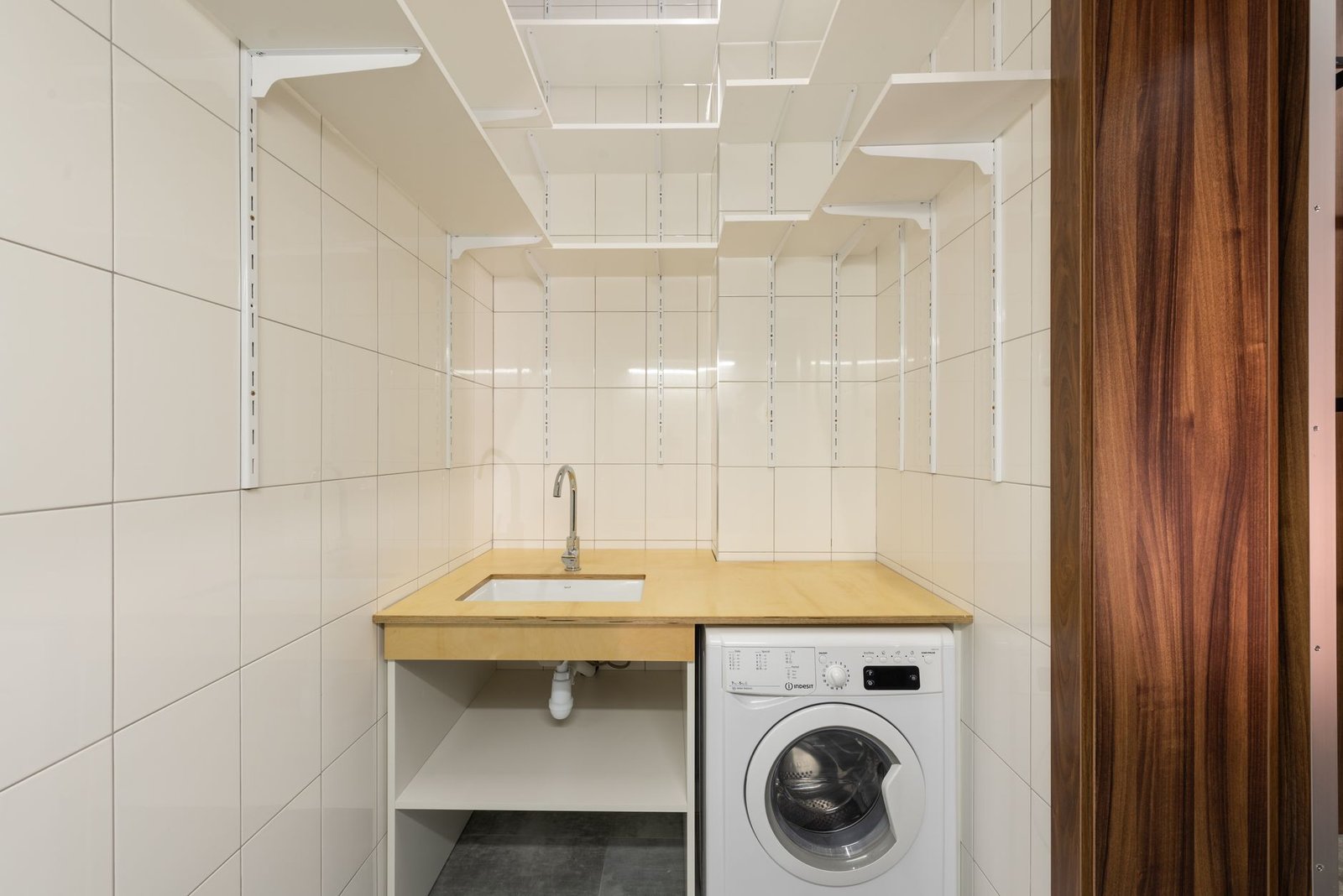
A tiny laundry room can often feel like a constant battle against clutter, transforming what should be a functional space into an overwhelming chore zone. When the square footage is limited, the challenge of maintaining organization for detergents, supplies, and laundry itself becomes paramount. This article presents eight smart storage hacks specifically designed to help homeowners reclaim their small laundry rooms, making these essential areas more functional, efficient, and surprisingly serene.
Maximizing Vertical Real Estate
In compact laundry rooms, thinking vertically is not just an option; it is a necessity. Utilizing wall space effectively can dramatically increase storage capacity without encroaching on valuable floor area.
Wall-Mounted Shelving and Cabinets
Installing shelves or cabinets above the washer and dryer instantly creates prime storage for detergents, stain removers, and folded linens. For a modern aesthetic, floating shelves crafted from sustainable bamboo or lightweight engineered wood composites, prevalent in 2026 design, offer open, airy storage. These materials are chosen for their durability and minimal environmental impact. Alternatively, enclosed cabinets provide a cleaner look, concealing clutter behind sleek doors. Contemporary options include smart cabinetry systems featuring integrated LED lighting that activates upon opening, and soft-close mechanisms, enhancing both utility and user experience. Consideration for a cabinet’s depth is crucial; shallower units prevent the space from feeling cramped.
Over-the-Door Organizers
The often-overlooked back of the laundry room door presents a significant storage opportunity. An over-the-door organizer, typically featuring multiple pockets or baskets, can hold an array of smaller items such as dryer sheets, lint rollers, cleaning sprays, and even a dedicated space for lost socks. Modern organizers crafted from recycled polymer meshes or breathable canvas not only provide practical storage but also contribute to a more sustainable home environment, aligning with 2026 eco-conscious trends. These solutions are easily installed and do not require permanent fixtures, offering flexibility for the resident.
Innovative Space Utilization
Beyond vertical expansion, intelligent design focuses on multi-functional elements and ergonomic solutions that fit seamlessly into tight spaces.
Stackable Appliances and Ergonomic Layouts
For rooms with standard side-by-side machines, converting to a stackable washer and dryer unit frees up significant floor space. This allows for the integration of a narrow utility cart or a dedicated folding counter. In 2026, compact, energy-efficient laundry centers featuring integrated controls and advanced steam functions are increasingly popular, offering powerful performance in a smaller footprint. Ergonomic considerations also extend to the placement of laundry baskets and hampers, opting for pull-out or collapsible designs that can be stowed away when not in use.
Pull-Out and Slide-Out Solutions
Slim, pull-out storage units can fit into tight gaps beside appliances or between existing cabinetry. These units are ideal for stashing tall bottles of detergent, fabric softeners, or even a hidden ironing board. Modern iterations often feature integrated casters for smooth operation and specialized compartments. Additionally, under-sink pull-out drawers, made from moisture-resistant materials such as treated marine-grade plywood or recycled plastic, optimize the often-wasted space beneath utility sinks, making cleaning supplies easily accessible.
Smart Folding and Drying Systems
Dedicated folding areas are a luxury in small laundry rooms. Residents can integrate a wall-mounted fold-down table, which tucks away neatly when not needed, or opt for a sliding countertop extension. For drying delicate items, wall-mounted accordion drying racks or retractable clotheslines are invaluable, providing ample drying space that disappears when the laundry cycle is complete. The 2026 market also sees an increase in smart, automated drying racks that can lower and raise with a remote control, maximizing ceiling space for air drying.
Leveraging Every Nook and Cranny
Even the most awkward corners and forgotten wall sections can be transformed into functional storage with clever solutions.
Utilize Corner Spaces with Custom Units
Corner areas, often underutilized, can become highly efficient with custom-built or modular corner shelving units. These can hold baskets of laundry, additional supplies, or even decorative elements to soften the utilitarian nature of the room. Materials like sustainable plywood with low-VOC finishes or recycled metal shelving systems offer durable and eco-friendly options. Such tailored solutions ensure no square inch is wasted, providing a seamless and integrated look.
Pegboards and Slatwalls for Customizable Storage
Installing a pegboard or slatwall system on an available wall offers unparalleled flexibility. Hooks, baskets, and small shelves can be rearranged as needed, accommodating changing storage requirements. This system is perfect for hanging brooms, mops, cleaning brushes, and even small mesh bags for delicate items. Modern pegboard designs in 2026 often incorporate magnetic strips for metal items or feature integrated smart tracking, allowing the homeowner to easily locate specific tools or items with a connected app, streamlining the organization process.
Aesthetic and Functional Storage Bins and Baskets
The final touch for an organized tiny laundry room is the strategic use of uniform, aesthetically pleasing storage bins and baskets. These containers help to consolidate items, reduce visual clutter, and bring a sense of order to the space. Opt for containers made from natural fibers like cotton or jute, or choose options crafted from durable, recycled plastics. Labeling each bin clearly ensures that every item has its designated home, simplifying retrieval and maintaining the room’s tidy appearance. The resident should select bins that complement the room’s overall design, transforming practical storage into a cohesive design element.
2026 Trends in Laundry Room Design
As homeowners seek increasingly efficient and comfortable living spaces, laundry room design in 2026 reflects several key trends. Beyond sustainable materials like recycled polymers and bamboo, smart home integration is becoming standard, with app-controlled appliances that optimize cycles and energy consumption. Modular and highly customizable storage systems allow for dynamic adaptation to individual needs. Biophilic design elements, such as small, low-maintenance plants or natural light simulations, are also being incorporated to create a more inviting and less sterile environment. These advancements underscore a shift towards laundry rooms that are not only functional but also contribute to the overall well-being and aesthetic of the home.
Transforming an overwhelming tiny laundry room into a highly functional and efficient space is entirely achievable with these eight smart storage hacks. By embracing vertical solutions, innovative appliance configurations, and clever utilization of every corner, the homeowner can create an organized, calm, and productive area for managing household chores. The integration of modern materials and design trends further enhances both the aesthetics and practicality, proving that even the smallest spaces can deliver exceptional utility and comfort.