
For the resident seeking robust vegetable garden yields and minimal maintenance, selecting the optimal mulch is a critical decision. In 2026, the consensus for superior weed prevention in vegetable gardens leans towards a strategic combination of organic mulches like straw, well-aged wood chips, and quality compost, often augmented by advanced biodegradable films for specific applications. These materials not only suppress unwanted growth effectively but also contribute significantly to soil health and moisture retention, aligning with modern sustainable gardening practices.
The Core Benefits of Mulching Vegetable Gardens
Mulching is a foundational practice in productive gardening, offering a multitude of advantages that extend beyond mere aesthetics. Its strategic application creates an optimal environment for plant growth, benefiting both the soil and the crops cultivated by the homeowner.
Weed Suppression: The Primary Goal
The foremost benefit of applying mulch, especially in a vegetable garden, is its unparalleled ability to suppress weeds. A dense layer of mulch effectively blocks sunlight from reaching weed seeds in the soil, preventing germination and growth. This dramatically reduces the need for manual weeding, saving considerable time and effort for the resident.
Moisture Retention and Water Conservation
Mulch acts as an insulating layer, significantly reducing water evaporation from the soil surface. This means less frequent watering is required, conserving precious water resources and ensuring consistent moisture levels for vegetable roots. Consistent soil moisture is vital for healthy plant development and optimal nutrient uptake.
Soil Health and Nutrient Enrichment
Organic mulches, as they decompose, contribute valuable organic matter and nutrients back into the soil. This process enhances soil structure, improves aeration, and supports a thriving ecosystem of beneficial microorganisms. Over time, this leads to richer, more fertile soil, which is crucial for robust vegetable production.
Temperature Regulation
Mulch helps to moderate soil temperature. It keeps the soil cooler in hot summer months, protecting delicate root systems from extreme heat stress. Conversely, it can help to insulate the soil and keep it warmer during cooler periods, extending the growing season and protecting plants from sudden temperature drops.
Evaluating Mulch Types for 2026 Vegetable Gardens
The market in 2026 offers a diverse array of mulch options, each with unique properties suited for different gardening goals. Understanding their specific benefits and drawbacks is key to making an informed choice for vegetable production.
Organic Mulches: Time-Tested and Evolving
- Straw: Widely regarded as an excellent choice for vegetable gardens, especially for annual crops. It is lightweight, allows for good air circulation, and decomposes relatively quickly, enriching the soil. Crucially, residents should seek weed-free straw (often wheat or oat straw) to avoid introducing unwanted seeds. Its light color also helps reflect sunlight, keeping soil temperatures stable.
- Wood Chips/Shredded Bark: While excellent for pathways and perennial beds, fresh wood chips can temporarily tie up nitrogen as they decompose if incorporated into the soil. For vegetable beds, well-composted or aged wood chips are preferable. These are more stable and less likely to deplete soil nitrogen. They offer superior long-term weed suppression and moisture retention, making them ideal for areas that remain undisturbed for longer periods.
- Compost: A powerhouse for soil enrichment, compost serves a dual purpose as both a soil amendment and a light mulch. It suppresses weeds moderately, retains moisture, and continuously feeds the soil with essential nutrients, boosting microbial activity. For maximum weed control, a thicker layer of compost may be required, which can be costly on a large scale.
- Leaf Mold: Decomposed leaves create a rich, dark, and crumbly material similar to compost. It is excellent for improving soil structure, retaining moisture, and providing slow-release nutrients. It offers good weed suppression and is often a free resource for the homeowner.
- Bio-degradable Cardboard/Newspaper: A sustainable and cost-effective option. Layers of plain, uncolored cardboard or newspaper can be laid down and then covered with a thin layer of another organic mulch (like straw or compost) for aesthetics and additional benefits. These materials decompose over time, adding organic matter and effectively smothering weeds. New formulations in 2026 emphasize rapid degradation and reduced chemical presence.
Inorganic Mulches: Strategic Applications
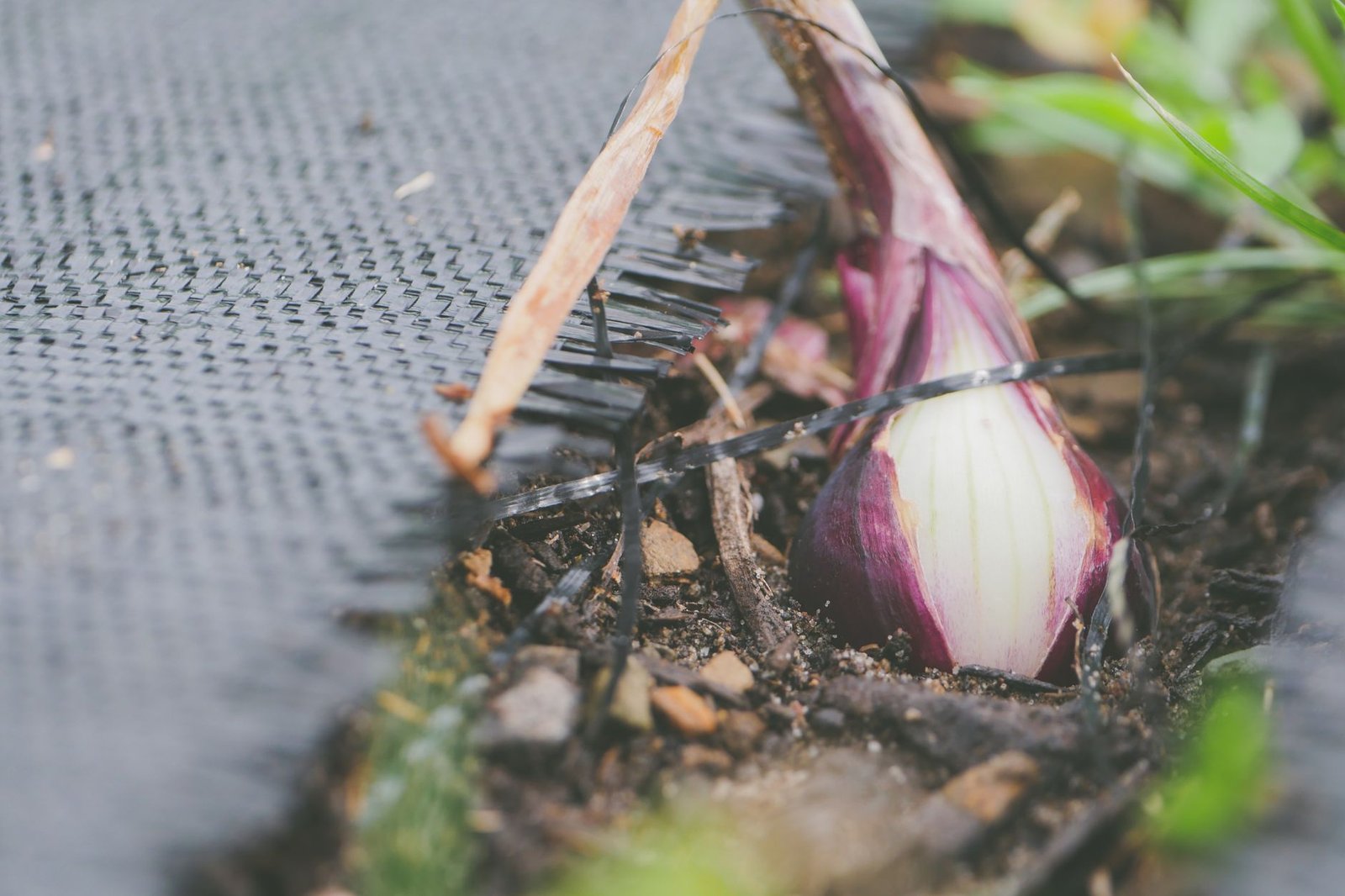
- Black Plastic/Landscape Fabric: These materials are highly effective at weed suppression and warming the soil, which can be beneficial for heat-loving crops. However, they do not add organic matter to the soil and can hinder water penetration. Modern breathable landscape fabrics for 2026 are engineered with micro-perforations to allow better water and air exchange, mitigating some of the traditional drawbacks of solid plastic. These are best used when soil enrichment is addressed through prior amendments.
- Gravel/River Rock: While durable and aesthetically pleasing in some landscape designs, gravel and rock are generally not recommended for vegetable gardens due to their tendency to absorb and radiate heat, potentially stressing vegetable plants. They also do not contribute to soil health and can make planting and amending difficult. Their use is typically reserved for permanent landscape features.
Emerging Trends and Advanced Materials for 2026
The year 2026 sees continued innovation in mulch technology, particularly in sustainable and enhanced options:
- Smart Mulch Systems: Biodegradable films are evolving. Some 2026 products feature controlled-release nutrient encapsulation, slowly enriching the soil as they break down, targeting specific crop needs. These films are engineered for predictable degradation rates, minimizing microplastic concerns.
- Mycorrhizal-Enhanced Mulches: Several organic mulch products now come inoculated with beneficial mycorrhizal fungi. These fungi form symbiotic relationships with plant roots, improving nutrient and water uptake, which is a significant boon for vegetable health and resilience against stress.
- Recycled Bio-composites: Advancements in processing agricultural waste and other organic byproducts are leading to new bio-composite mulches that offer excellent performance, consistency, and a reduced environmental footprint.
Selecting the Optimal Mulch for Specific Vegetable Needs
The best mulch choice often depends on the specific garden context and the resident’s objectives.
Annual Vegetables vs. Perennial Beds
For annual vegetable beds, mulches that decompose relatively quickly and can be easily incorporated into the soil at the end of the season, like straw, compost, or leaf mold, are often preferred. For perennial vegetable beds (e.g., asparagus, rhubarb) or fruit bushes, longer-lasting options like aged wood chips or shredded bark provide sustained weed suppression and soil benefits.
Soil Improvement Goals
If the garden soil is poor and requires significant organic matter, prioritizing compost and leaf mold as primary mulches will yield the most benefits for soil structure and fertility. If the soil is already healthy, the focus can shift more purely to weed control and moisture retention with options like straw or biodegradable films.
Regional Climate Considerations
In hot climates, lighter-colored mulches like straw can help keep soil temperatures down. In cooler climates where warming the soil is desirable, especially for crops like tomatoes or peppers, black plastic or darker compost can be advantageous, though breathable versions of fabric are gaining preference.
Application Best Practices for Maximum Effectiveness
Proper application is as crucial as selecting the right mulch type.
Proper Depth and Placement
A mulch layer of 2-4 inches (5-10 cm) deep is generally recommended for effective weed suppression and moisture retention. Too thin a layer will not be effective, while an excessively thick layer can suffocate roots or encourage pest harborage. For inorganic mulches like fabric, proper securing to prevent wind uplift is essential.
Avoiding Stem Contact
Always ensure mulch is pulled back a few inches from the base of vegetable plant stems. Direct contact can trap moisture against the stem, leading to rot and providing hiding places for pests. This ‘mulch donut’ approach ensures proper air circulation around the plant crown.
Timing of Application
Apply mulch after the soil has warmed in spring, once plants are established and weeded thoroughly. Applying too early can delay soil warming. Reapply as needed throughout the growing season to maintain the recommended depth, especially for organic mulches that decompose.
By thoughtfully considering these options and applying them correctly, the homeowner can significantly enhance their vegetable garden’s productivity, health, and ease of maintenance in 2026 and beyond.