
For the 2026 gardening season, identifying the most effective organic pesticide for aphid control involves considering advancements in natural formulations and sustainable practices. While several options offer robust protection, neem oil remains a highly recommended foundational treatment, complemented by insecticidal soaps and horticultural oils for immediate eradication. The optimal approach integrates these solutions within a broader ecological strategy to ensure a thriving, pest-free garden, with modern developments focusing on enhanced efficacy and minimal environmental impact.
Understanding Aphids and the Need for Organic Solutions in 2026
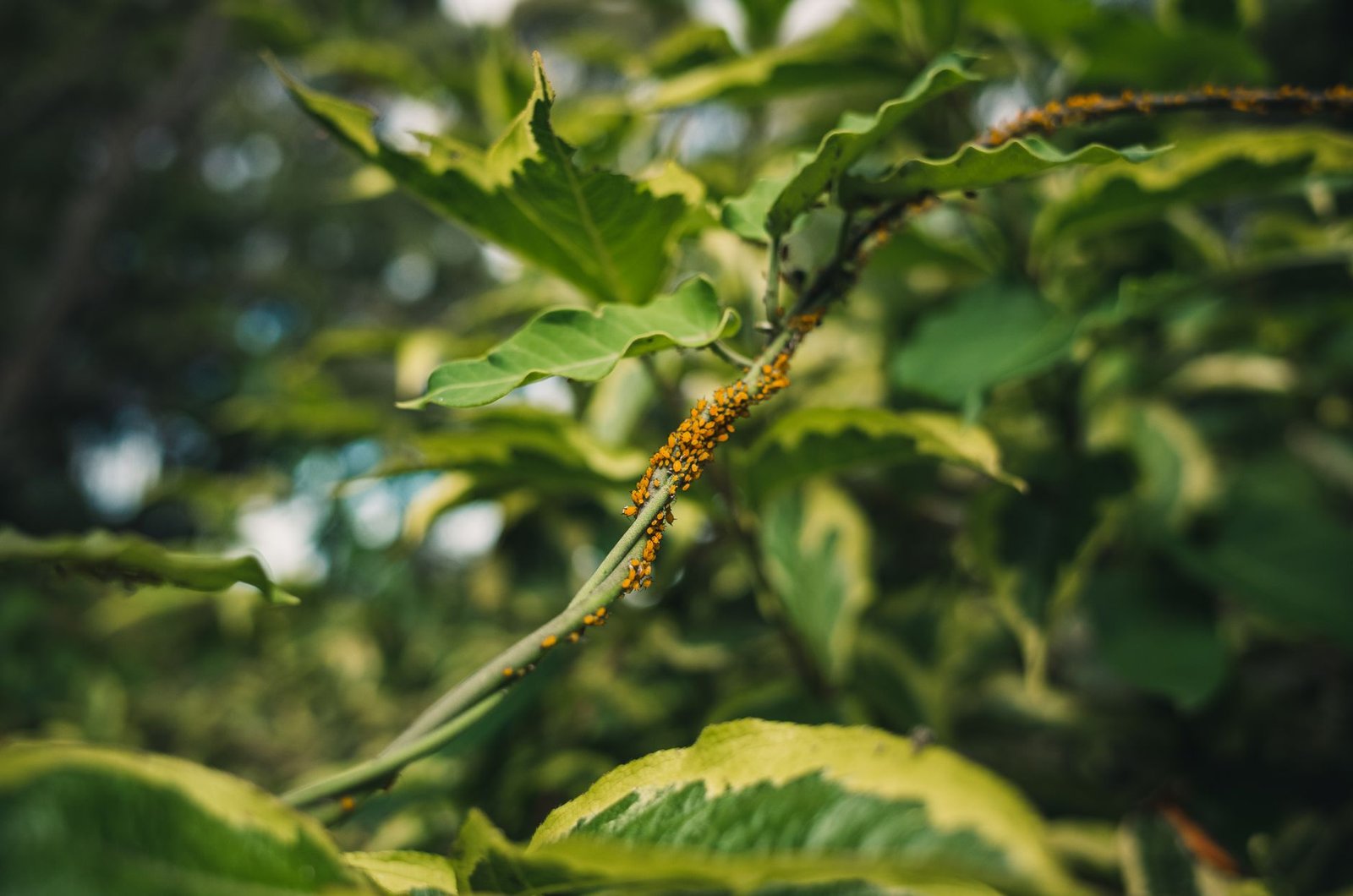
Aphids are ubiquitous soft-bodied insects that pose a persistent threat to home gardens, feeding on plant sap and weakening host plants. Their rapid reproduction cycles can lead to significant infestations, resulting in stunted growth, distorted leaves, and the transmission of plant viruses. Furthermore, aphids excrete a sticky substance called honeydew, which fosters the growth of sooty mold, further hindering photosynthesis.
In 2026, the emphasis on ecological balance and sustainable living continues to drive the demand for organic pest control methods. These approaches safeguard the environment, protect beneficial insects crucial for pollination and natural pest suppression, and ensure the safety of residents and pets. Modern organic solutions offer powerful efficacy without the long-term ecological drawbacks associated with synthetic chemicals, aligning with contemporary gardening ethics.
Top Organic Pesticides for Aphids in the 2026 Garden
Neem Oil: The Foundation of Organic Defense
Neem oil, extracted from the seeds of the neem tree (Azadirachta indica), stands as a cornerstone in organic aphid management. Its active compound, azadirachtin, acts as an antifeedant, repellent, and insect growth regulator. When aphids ingest or come into contact with treated foliage, their feeding habits are disrupted, and their life cycle is interrupted, preventing molting and reproduction. For 2026, formulations featuring cold-pressed, unrefined neem oil with higher standardized azadirachtin content are becoming more prevalent, offering superior efficacy and stability. Application requires thorough coverage, ideally during cooler parts of the day to prevent leaf burn. Neem oil is generally safe for beneficial insects once dry, as they typically do not feed on treated plant tissue.
Insecticidal Soaps: Fast-Acting Contact Killers
Insecticidal soaps, derived from the potassium salts of fatty acids, provide rapid contact eradication of aphids. These soaps work by dissolving the protective waxy cuticle of the aphid, leading to dehydration and suffocation. They are effective against a wide range of soft-bodied pests and break down quickly in the environment, leaving minimal residual impact. The user should apply insecticidal soaps directly to the aphids and affected plant surfaces, ensuring comprehensive coverage, as the product only works on contact. Rinsing plants after a few hours can be beneficial, especially in sensitive plant varieties. For 2026, advancements include ready-to-use formulations with enhanced spreaders and stickers, improving adherence and coverage on waxy plant leaves.
Horticultural Oils: Smothering the Infestation
Horticultural oils, including highly refined mineral oils or plant-based options like canola or soybean oil, are another potent organic tool. These oils work by smothering aphids and their eggs, blocking their spiracles (breathing pores). The oils are most effective when applied thoroughly to completely coat the pests. Modern horticultural oils for 2026 are exceptionally refined and lighter-weight, significantly reducing the risk of phytotoxicity (plant damage) compared to older formulations. These “summer oils” can be used on actively growing plants, but careful application during cooler temperatures and avoiding direct sunlight after application is recommended to prevent stress on the plant.
Botanical Insecticides: Targeted Knockdown
Botanical insecticides, such as those containing pyrethrins, offer quick knockdown capabilities. Derived from chrysanthemum flowers, pyrethrins rapidly paralyze and kill aphids on contact. While naturally derived, these should be used judiciously as they can also affect beneficial insects if applied indiscriminately. The user should reserve pyrethrin-based products for severe infestations where immediate reduction is critical. Always follow label instructions for safe and effective use. Rotenone, another historically used botanical, is largely being phased out due to its higher toxicity profile, aligning with 2026’s strong preference for ultra-low impact solutions.
Diatomaceous Earth (DE): Physical Abrasion
Food-grade diatomaceous earth is a natural powder composed of fossilized diatoms. Its microscopic, razor-sharp edges physically abrade the waxy exoskeletons of aphids and other crawling insects, leading to dehydration and death. The user can dust DE onto infested plants and soil, though its efficacy is reduced when wet. While effective, caution is advised to avoid inhaling the fine dust, and applications should be made carefully to minimize impact on beneficial ground-dwelling insects. This method is particularly useful for low-lying plants or as a barrier.
Beneficial Insects: Nature’s Own Pest Control
One of the most sustainable and effective long-term strategies for aphid control involves enlisting natural predators. Ladybugs (lady beetles), lacewing larvae, and parasitic wasps are voracious aphid eaters or parasites. In 2026, a growing trend involves creating garden environments that attract and sustain these beneficial allies, rather than solely relying on purchased releases. Planting diverse flowering plants that provide nectar and pollen for adult beneficials can establish a self-sustaining biological control system. The resident can also purchase and release beneficial insects for immediate, targeted control.
Integrated Pest Management (IPM) for Long-Term Aphid Control
For enduring aphid management, a holistic Integrated Pest Management (IPM) strategy is paramount. IPM combines multiple tactics to achieve sustainable pest control with minimal environmental disruption.
Cultural Practices
- Regular Inspection: Vigilant monitoring allows for early detection and intervention before infestations become severe. The homeowner should routinely check the undersides of leaves and new growth.
- Water Sprays: A strong jet of water can dislodge aphids from plants, especially effective for light infestations. This should be done carefully to avoid damaging delicate plants.
- Pruning: Removing heavily infested plant parts can immediately reduce aphid populations.
- Companion Planting: Incorporating plants that repel aphids (e.g., catnip, chives, garlic) or attract beneficial insects (e.g., dill, fennel, marigolds) can create a naturally resistant garden ecosystem.
- Weed Control: Many weeds can host aphid populations, providing a reservoir for re-infestation.
Monitoring and Early Intervention
Proactive monitoring is key. The user should regularly inspect plants, particularly new shoots and leaf undersides, for the first signs of aphids. Early intervention with organic sprays or manual removal can prevent small problems from escalating into widespread infestations, reducing the need for more intensive treatments.
Creating a Balanced Ecosystem
Fostering biodiversity within the garden is a cornerstone of 2026’s sustainable gardening practices. Providing diverse habitats, reducing chemical use, and encouraging native plant species all contribute to a balanced ecosystem where natural predators can thrive, keeping aphid populations in check.
Future Trends and Sustainable Practices in 2026
Looking ahead, the organic pest control landscape is evolving with promising innovations. Biopesticides, particularly those utilizing entomopathogenic fungi like Beauveria bassiana that specifically infect and kill aphids, are gaining prominence. These living organisms offer highly targeted and environmentally benign solutions. Precision agriculture technologies, such as drone-based monitoring and smart irrigation systems capable of targeted organic spray application, are also becoming more accessible to the home gardener, offering efficiency and reduced waste.
Ultimately, the best organic pesticide for aphids in the 2026 garden is not a single product but a thoughtful combination of effective organic treatments, vigilant cultural practices, and a deep commitment to fostering a biodiverse, resilient garden ecosystem. By embracing these modern, sustainable strategies, the homeowner can ensure a thriving and aphid-free growing season.