
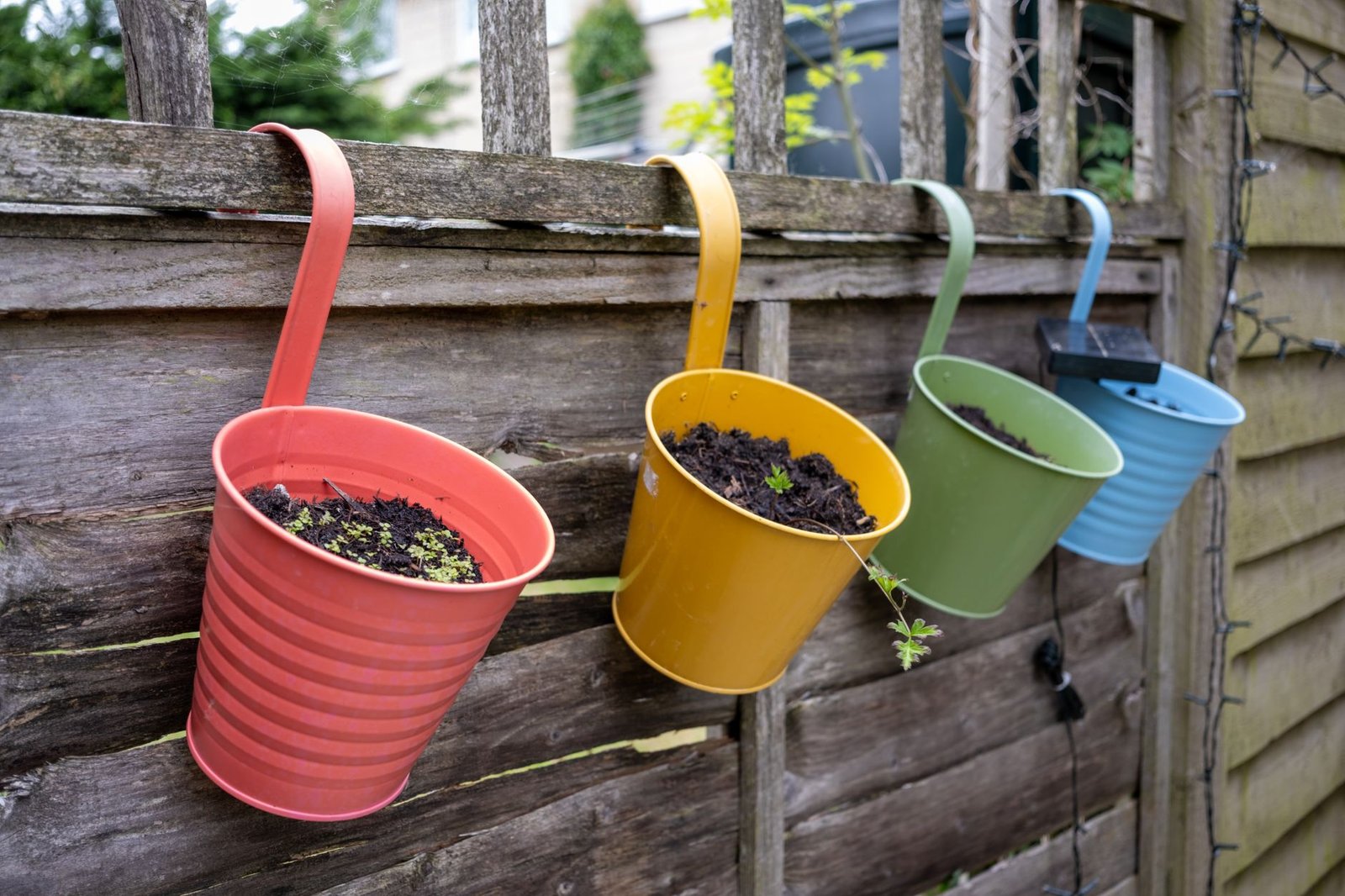
For the homeowner contemplating grand gardening aspirations within limited outdoor dimensions, vertical gardening presents a transformative solution. By leveraging vertical space, even the most compact areas can flourish with lush greenery and productive yields. The year 2026 ushers in an exciting era of innovation, offering advanced techniques and materials that empower residents to cultivate vibrant, efficient vertical gardens regardless of yard size. This article explores seven cutting-edge vertical gardening hacks poised to redefine small-space cultivation.
The Promise of Vertical Gardening in 2026
As urban living continues to expand and outdoor spaces shrink, the ingenuity of vertical gardening becomes increasingly vital. In 2026, the convergence of smart home technology, sustainable materials, and sophisticated horticultural understanding has elevated vertical gardening from a niche hobby to a mainstream, high-efficiency practice. The focus is on maximizing yield, minimizing resource consumption, and enhancing aesthetic appeal, making verdant walls and towers accessible to every resident.
Modern vertical gardening systems are not just about stacking pots; they integrate automated nutrient delivery, precise light control, and even environmental monitoring. For any homeowner seeking to transform a balcony, patio, or small backyard into a thriving green oasis, these solutions offer unparalleled opportunities for growth and enjoyment.
Innovative Vertical Gardening Systems for the Modern Homeowner
1. Smart Modular Living Walls
Modular living walls represent the pinnacle of vertical design for 2026. These systems feature individual planting pockets or panels that interlock to cover vertical surfaces, creating dynamic green facades. Modern iterations boast integrated smart irrigation systems that use humidity and soil moisture sensors to deliver water and nutrients precisely, reducing waste. Materials often include lightweight, recycled composite plastics or bio-resin panels that are durable and weather-resistant, ensuring longevity and ease of installation for the homeowner. Maintenance is streamlined through app-based controls, allowing for remote monitoring and adjustment of watering schedules.
2. Advanced Hydroponic and Aeroponic Towers
Pushing beyond traditional soil-based methods, vertical hydroponic and aeroponic towers are gaining significant traction. These systems cultivate plants in nutrient-rich water solutions or mist, eliminating soil entirely and drastically reducing water usage. In 2026, many of these towers are fabricated using advanced 3D-printed bio-plastics, often derived from plant-based polymers, offering both sustainability and customized designs. Automated pumps and timers ensure consistent nutrient delivery, making them ideal for high-yield vegetable and herb production, even in minimal footprint areas. The resident benefits from faster growth rates and cleaner produce.
3. Suspended Planter Systems with Dynamic Lighting
For spaces with overhead coverage or limited wall access, suspended vertical gardens offer an elegant solution. These systems utilize multi-tiered planters hung from ceilings or pergolas, creating a floating garden effect. The 2026 trend incorporates lightweight, durable bio-composite materials for the planters and integrates energy-efficient LED grow lights that can be adjusted for intensity and spectrum. Some advanced models include automated pulley systems, allowing the resident to lower and raise planters for easy access, ensuring every plant receives optimal light exposure throughout the day, irrespective of natural sunlight availability.
4. Reimagined Vertical Pallet Gardens
The humble pallet garden has evolved. While upcycled wood pallets remain a sustainable option, 2026 sees the emergence of pre-fabricated vertical pallet systems crafted from treated, rot-resistant reclaimed timber or durable, weather-proof recycled plastic lumber. These designs often feature integrated self-watering reservoirs and optimized planting pockets for easier installation and maintenance. The enhanced structural integrity and thoughtful design make them more resilient and aesthetically pleasing, offering a robust framework for a variety of plants, from ornamentals to edibles, on an outdoor wall or fence.
5. Stackable Container Gardens with Integrated Sensors
Stackable containers provide a versatile and scalable vertical gardening solution. Modern versions in 2026 come equipped with miniature, wireless soil moisture and nutrient sensors that communicate with a central hub. This allows the homeowner to monitor plant health at a glance via a smartphone application, receiving alerts when specific containers require water or fertilization. Materials include UV-stabilized recycled plastics or lightweight concrete composites, designed for stability and durability, allowing for easy expansion or rearrangement of the garden as needs change.
6. Edible Wall Panels for Kitchen Integration
Bringing the garden indoors, edible wall panels are perfect for culinary enthusiasts with limited outdoor space. These sleek, often minimalist panels are designed to be mounted directly in kitchens or near windows, providing fresh herbs, microgreens, and small edibles year-round. In 2026, these systems commonly feature integrated full-spectrum LED lighting tailored for indoor plant growth, silent hydroponic or drip irrigation, and often come with self-contained, compostable planting cartridges. The resident can enjoy immediate access to fresh ingredients, enhancing both cooking and interior aesthetics.
7. Mobile Vertical Gardens with Biometric Climate Control
For the ultimate in flexibility and plant care, mobile vertical gardens are a groundbreaking innovation. These self-contained units are typically on wheels, allowing them to be moved to optimize sun exposure or brought indoors during inclement weather. The most advanced models in 2026 incorporate biometric climate control, monitoring internal temperature, humidity, and CO2 levels, and adjusting ventilation, misting, or heating automatically to create ideal growing conditions. Sensors can even analyze individual plant health, signaling any issues. These systems are often powered by integrated solar panels, offering an off-grid solution for the eco-conscious homeowner.
Maximizing Harvests and Aesthetics in Compact Spaces
Implementing these vertical gardening hacks not only conserves space but also enhances the overall appeal of any small outdoor or indoor area. By selecting a diverse range of plants—from colorful flowers to fresh herbs and vegetables—the resident can create a visually stunning and productive landscape. Proper plant selection, considering light requirements and growth habits, is crucial for success. For instance, sun-loving vegetables can occupy the top tiers of a tower, while shade-tolerant herbs thrive below.
Beyond the functional aspects, vertical gardens serve as living art installations. The textured foliage, vibrant blooms, and cascading greenery transform mundane walls into dynamic focal points. The use of modern materials and integrated technology ensures that these gardens are not only beautiful but also sustainable and easy to manage, aligning with the contemporary homeowner’s desire for both elegance and efficiency.
Future-Proofing Vertical Gardens
As 2026 progresses, the vertical gardening landscape will continue to evolve with new smart technologies and sustainable material innovations. Homeowners are encouraged to consider modular and scalable systems that can adapt to changing needs and incorporate future advancements. The initial investment in a well-designed vertical garden pays dividends in terms of fresh produce, enhanced aesthetics, and a profound connection to nature, even within the confines of a small urban dwelling. Embracing these vertical solutions means realizing big gardening dreams, regardless of yard size.