
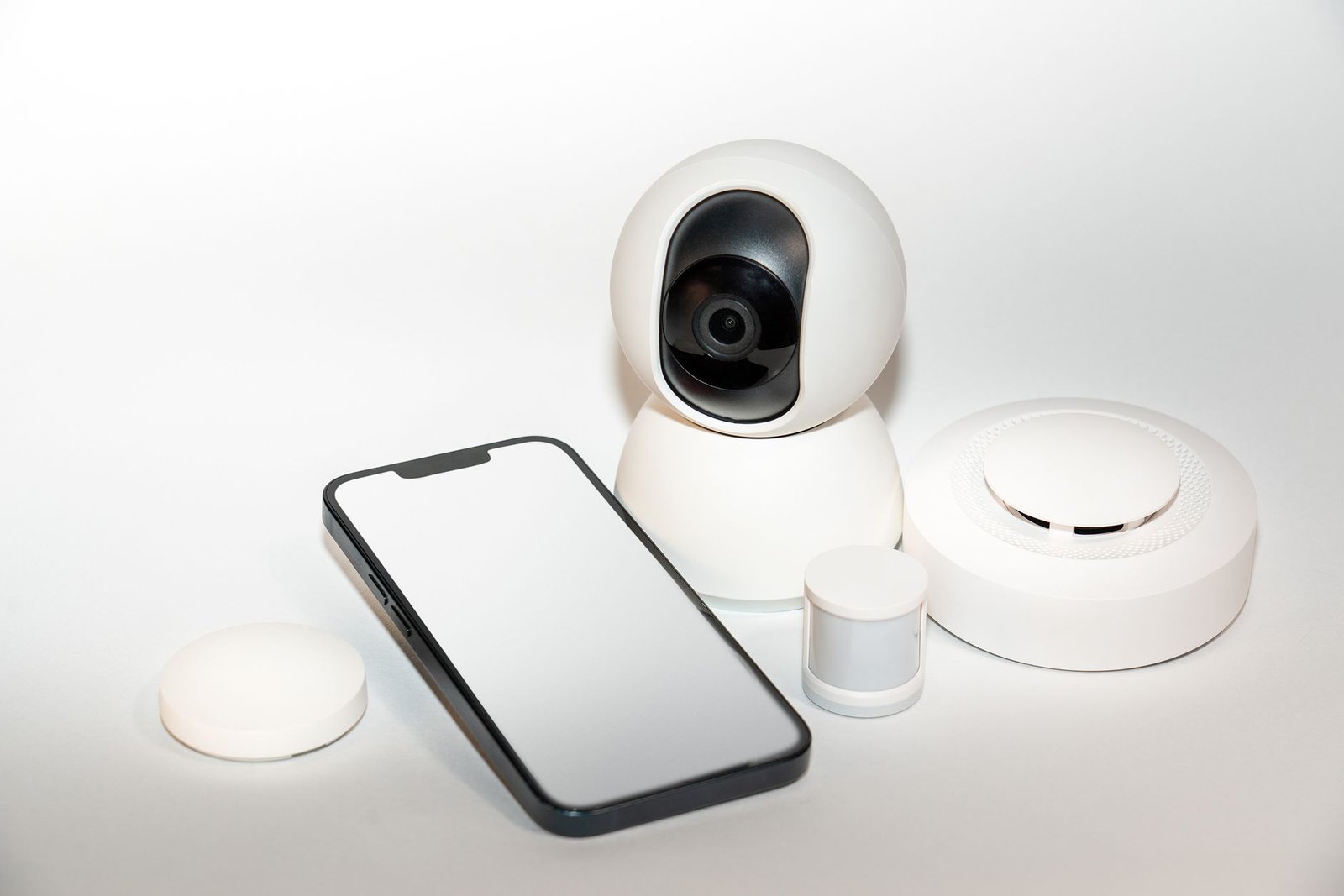
The concern about home security is a pervasive one for many homeowners, and leveraging smart lighting systems offers a potent and increasingly sophisticated solution to deter potential intruders. Modern smart lighting, especially in 2026, extends far beyond simple automation, providing dynamic, adaptive layers of defense that can significantly enhance a property’s resilience against unwanted attention. By strategically deploying advanced illumination techniques, residents can create an environment that actively discourages criminal activity, making their premises less appealing to those seeking an easy target.
The Psychological Deterrent of Light
Understanding the mindset of potential intruders is foundational to effective home security. Burglars typically seek properties that appear unoccupied, allowing them maximum time and minimal risk. The most powerful deterrent, therefore, is the perception of an active presence. Smart lighting systems capitalize on this psychological principle by simulating occupancy, even when a property is vacant. Unlike traditional timers that offer predictable, easily identifiable patterns, modern smart lighting introduces an element of sophisticated unpredictability.
Consistent, randomized illumination across various rooms and exterior zones can convincingly mimic the movements of residents. This goes beyond simple on/off schedules, incorporating varying light intensities, color temperatures, and sequences that suggest genuine human activity. A property that appears lived-in, with lights shifting from a living area to a kitchen and then perhaps an upstairs bedroom over the course of an evening, presents a significantly higher risk profile for an intruder than one that remains consistently dark or follows a static, repetitive lighting program.
Advanced Smart Lighting Systems for 2026
The technological advancements in smart lighting by 2026 have ushered in a new era of security capabilities. These systems are no longer mere convenience items but sophisticated components of an integrated home defense strategy.
AI-Powered Adaptive Lighting
One of the most significant trends is the integration of Artificial Intelligence (AI) and machine learning. These advanced systems learn the daily and weekly routines of residents, observing patterns of light use, duration, and intensity. When a homeowner is away, the AI can then replicate these learned patterns with natural variations, making the simulated occupancy far more convincing. For instance, if the resident typically uses the kitchen lights for 30 minutes in the morning and then the office lights for several hours, the AI can mimic this, adding subtle deviations to avoid predictable loops that a savvy intruder might detect.
Robust Connectivity and Energy Efficiency
Connectivity standards such as Matter, Thread, and Wi-Fi 7 have become commonplace, ensuring seamless, low-latency, and highly secure communication between lighting fixtures and the central smart home hub. This robustness prevents system glitches or vulnerabilities that could compromise security. Furthermore, the focus on energy efficiency continues to drive innovation. Advanced OLED panels and highly efficient LED arrays are standard, offering long lifespans and minimal power consumption. For exterior applications, integrated solar-powered smart lights with onboard battery storage are increasingly prevalent, providing reliable illumination even during power outages and reducing reliance on the grid.
Enhanced Material Developments
Modern fixtures also incorporate advanced materials for durability and aesthetics. For outdoor security lighting, robust, weather-resistant alloys and composite materials that withstand harsh environmental conditions are standard, often featuring integrated sensors that are discreet and resilient. Interior fixtures are designed not just for illumination but also for seamless integration into home aesthetics, ensuring security measures do not detract from domestic comfort or interior design principles.
Strategic Implementation: Beyond Basic On/Off
Effective smart lighting for security requires thoughtful placement and programming. It’s about creating a comprehensive lighting strategy that addresses both the exterior and interior vulnerabilities of a property.
Exterior Perimeter Protection
- Motion-Activated Floodlights: These remain a cornerstone of outdoor security. In 2026, many models integrate directly with smart cameras, allowing for instant illumination and simultaneous recording upon motion detection. Advanced sensors can differentiate between pets and humans, reducing false alarms.
- Pathway and Landscape Lighting: Strategically placed smart pathway lights can illuminate common approach routes and deter individuals from concealing themselves in shadows. Modern landscape lighting often includes adjustable beam angles and color-changing capabilities, which can be programmed to flash or change color if a security event is detected.
- Entry Point Illumination: Smart lights near doors and windows, especially those linked to door/window sensors, can instantly flood an area with light if an unauthorized entry attempt is detected, startling the intruder and drawing attention.
Device Recommendations: Premium outdoor ranges from brands like Philips Hue and Ring Smart Lighting offer robust, weather-resistant fixtures with advanced sensor integration. Arlo Pro also provides integrated smart lights with their camera systems, offering a unified security approach.
Interior Occupancy Simulation
- Dynamic Randomization: Instead of simple timers, smart systems utilize algorithms that randomize lighting patterns within a set framework. For example, a resident’s living room lights might come on at varying times between 6 PM and 7 PM, stay on for a variable duration, and then move to other rooms, creating a more convincing simulation of activity.
- Varying Intensity and Color Temperature: Beyond just turning lights on and off, systems can mimic the natural progression of daylight or evening activities. Lights might start with a warm, dim glow, gradually brighten, and then dim again, reflecting normal human use patterns.
- Vacation Mode Enhancements: Dedicated vacation modes within smart home apps allow the user to activate pre-programmed sequences that simulate extended occupancy, often factoring in time zones if the resident is traveling.
Device Recommendations: Systems like Lutron Caséta, Kasa Smart by TP-Link, and integrations via Google Home or Apple HomeKit provide robust interior lighting control with sophisticated scheduling and randomization capabilities.
Geo-Fencing and Remote Control
Geo-fencing technology enables smart lights to respond to the resident’s physical location. Lights can automatically switch on as a resident approaches their property, simulating arrival, or power down as they leave, mimicking departure. This adds another layer of realism to occupancy simulation. Furthermore, the ability to remotely control and monitor lighting systems from anywhere in the world via a smartphone app provides peace of mind and allows for immediate adjustments if a security concern arises.
Integrating Smart Lighting with Other Security Layers
The true power of smart lighting for security is realized when it is seamlessly integrated with other smart home security components, forming a comprehensive defense ecosystem.
- Camera Systems: When motion is detected by an outdoor camera, integrated smart lights can immediately illuminate the area, providing clearer footage for identification and acting as a visual deterrent. Some systems can even trigger flashing lights upon detection.
- Sensors: Door and window sensors, glass-break detectors, and passive infrared (PIR) motion sensors within the property can be programmed to trigger specific lighting responses. For instance, if a window sensor is tripped, all lights in that zone could flash rapidly, drawing attention to the potential breach.
- Smart Locks: While not directly linked for deterrence, smart locks can communicate occupancy status to the lighting system, ensuring lights respond appropriately upon entry or exit.
- Audible Deterrents: Combining sudden bright lights with a loud siren, a recorded voice command, or even simulated dog barking can create an overwhelming sensory assault designed to send intruders fleeing.
Centralized Hubs: Platforms like Apple HomeKit, Google Home, Amazon Alexa, and Samsung SmartThings serve as the brain for these integrated systems, allowing various devices to communicate and execute complex automation routines based on user-defined rules or AI algorithms.
Future Outlook and Maintenance in 2026
As 2026 progresses, the trend towards increasingly intelligent and autonomous security lighting solutions continues. Future developments include more sophisticated predictive analytics, where AI can not only learn resident habits but also analyze external environmental factors (e.g., local crime trends, unusual activity patterns) to proactively adjust security lighting responses. Seamless integration with municipal smart city infrastructure for faster emergency response is also on the horizon.
While smart lighting systems are designed for reliability, routine maintenance ensures their optimal performance. This includes:
- Regular Firmware Updates: Keeping device firmware up-to-date ensures access to the latest security patches and features.
- Battery Checks: For wireless or solar-powered components, periodic checks of battery health are advisable.
- Sensor Cleaning: Ensuring motion and light sensors are free from dirt, dust, or obstructions guarantees accurate detection.
- Connectivity Monitoring: Periodically checking the network connection strength of all smart lighting devices ensures they remain responsive to commands and automation.
By embracing these advanced smart lighting strategies, homeowners can transform their properties into fortified, intelligent environments, significantly mitigating the risk of intrusion and enhancing overall domestic comfort and security for all residents.