
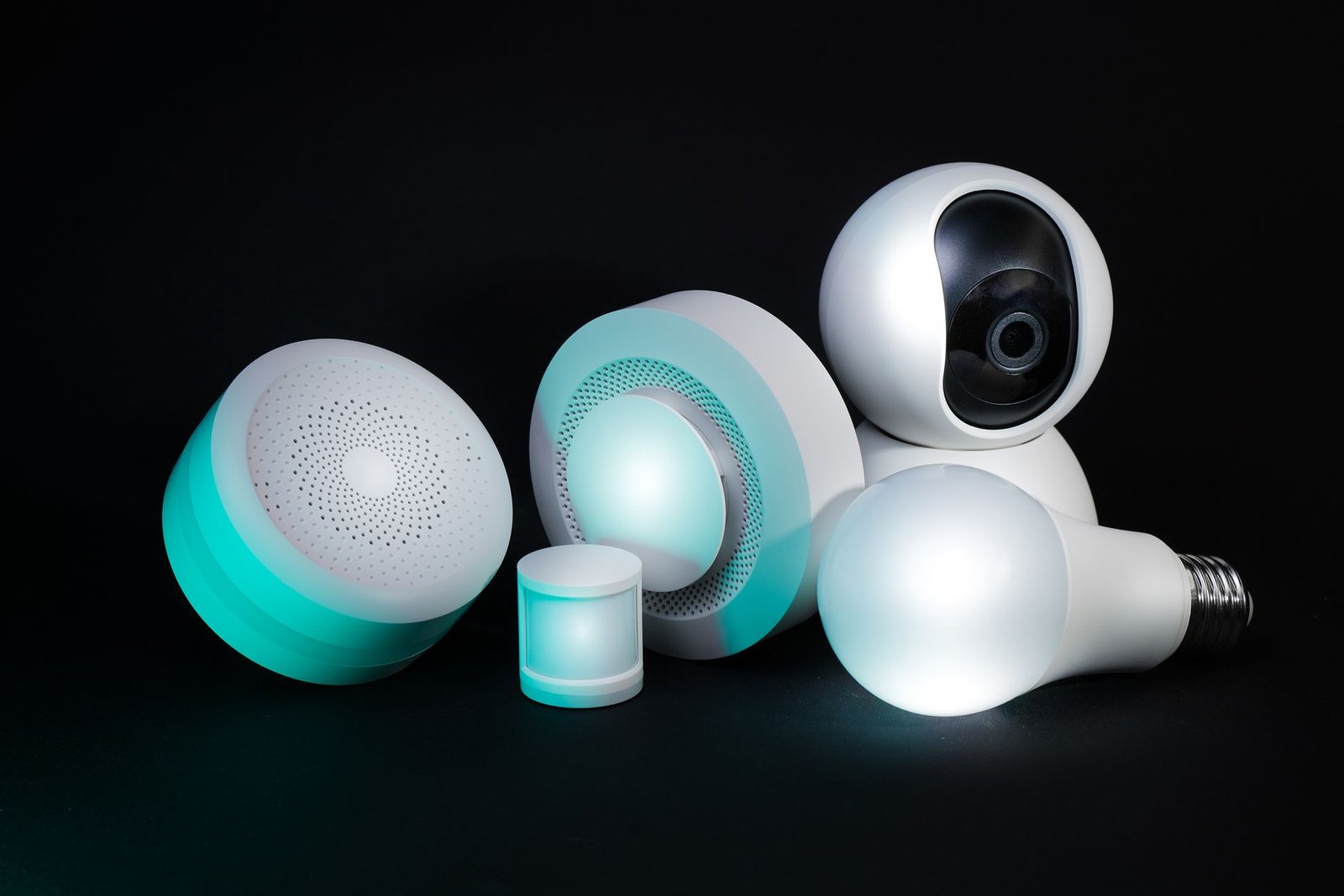
As smart home technology advances into 2026, achieving comprehensive lighting automation across an entire residence presents a nuanced choice between smart light switches and smart bulbs. The optimal solution for whole-home automation largely depends on the homeowner’s priorities regarding initial investment, installation complexity, desired functionality, and long-term flexibility. Both approaches offer distinct advantages, making a one-size-fits-all recommendation challenging without considering specific use cases and existing infrastructure.
Understanding Smart Lighting in 2026
The landscape of smart lighting has evolved significantly, driven by mature interoperability standards like Matter, enhanced AI-driven automation, and a strong emphasis on energy efficiency. Residents now expect more than just remote control; they seek intelligent systems that adapt to presence, daylight, and even circadian rhythms, alongside robust integration with broader smart home ecosystems.
Smart Light Switches: The Core Infrastructure Approach
Smart light switches replace traditional wall switches, controlling power to conventional light fixtures and bulbs. This approach centralizes the smart functionality at the circuit level.
Advantages of Smart Switches in 2026
- Cost-Efficiency with Existing Bulbs: A major benefit is the ability to retain current, often expensive, specialty bulbs (e.g., chandeliers, recessed lighting, designer fixtures) while gaining smart control. This significantly reduces the immediate investment compared to replacing every bulb.
- Familiar Operation: Guests and residents unfamiliar with smart home apps can still operate lights via the physical switch, which maintains intuitive usability.
- Reliability and Always-On Power: Since smart switches control the power flow, smart bulbs in fixtures connected to them always receive power, preventing them from becoming ‘unreachable’ to the smart home hub. This ensures seamless automation and voice control.
- Enhanced Aesthetic Integration: Modern smart switches from leading manufacturers now offer sleek, minimalist designs, often with touch-sensitive surfaces or integrated micro-displays that blend seamlessly with contemporary interior design aesthetics, including options for diverse finishes and material matching.
- Whole-Circuit Control: A single smart switch can control multiple traditional bulbs connected to the same circuit, streamlining automation for entire rooms or zones.
- Energy Monitoring: Many 2026-era smart switches incorporate advanced energy monitoring features, allowing residents to track electricity consumption for lighting and optimize usage.
Disadvantages of Smart Switches
- Installation Complexity: Requires electrical wiring knowledge or professional installation, as they replace existing switches. This can be a hurdle for the average resident.
- Limited Individual Bulb Control: A smart switch controls the entire circuit it’s connected to. It cannot individually adjust the brightness or color of separate bulbs within that circuit if they are traditional bulbs.
- Lack of Color/Temperature Changing: Unless paired with smart, color-changing bulbs that have their own persistent power, smart switches themselves cannot facilitate dynamic color or white temperature adjustments for standard bulbs.
- Initial Investment: While potentially saving on bulb costs, the switches themselves can be more expensive per unit than individual smart bulbs, especially for extensive whole-home implementation.
Ideal Scenarios for Smart Switches
Smart switches are ideal for areas with many fixtures on a single circuit, where individual bulb control isn’t necessary, or where specialty bulbs are already in place. They are particularly suitable for common areas, hallways, and kitchens where robust, always-on control and traditional interaction are valued.
Smart Bulbs: The Flexible Fixture Solution
Smart bulbs integrate the smart technology directly into the bulb itself, offering granular control over individual light sources.
Advantages of Smart Bulbs in 2026
- Easy Installation: Simply screw in the bulb like any traditional one. This DIY-friendly approach requires no electrical work.
- Granular Control: Offers individual control over brightness, color temperature (warm to cool white), and full RGB color for each bulb, allowing for highly personalized scene creation and human-centric lighting (HCL) applications.
- Portability: Smart bulbs can be easily moved between fixtures or residences, offering flexibility for renters or those who frequently reconfigure their spaces.
- Advanced Features: Many 2026 smart bulbs integrate advanced features such as presence detection, sound recognition, and even air quality sensors, providing more localized automation triggers.
- Cost-Effective for Individual Fixtures: For isolated lamps or specific fixtures where only a few bulbs are needed, the per-unit cost can be lower than a smart switch.
- Dynamic Circadian Lighting: Advanced smart bulbs excel at supporting circadian rhythms by automatically adjusting color temperature and brightness throughout the day, aligning with natural light cycles.
Disadvantages of Smart Bulbs
- Reliance on Power: If a traditional wall switch controlling the fixture is turned off, the smart bulb loses power and becomes unresponsive to app or voice commands. This can frustrate users accustomed to physical switches.
- Potential for Higher Overall Cost: For a home with many light fixtures, replacing every bulb can become significantly more expensive than installing a few smart switches.
- Connectivity Issues: Each bulb is a network device, and a large number of bulbs can sometimes strain a home Wi-Fi network or create a more complex mesh, potentially leading to occasional connectivity drops if not managed properly with robust Matter-enabled hubs.
- Compatibility with Fixtures: While most fit standard sockets, some specialty fixtures may not accommodate larger smart bulbs or their specific form factors.
Ideal Scenarios for Smart Bulbs
Smart bulbs shine in areas where mood lighting, color changes, or individual light control are paramount. This includes bedrooms, media rooms, accent lighting, and portable lamps. They are also excellent for residents who prefer DIY installation and maximum flexibility for specific lighting effects.
Key Considerations for Whole-Home Automation
Cost Analysis
For whole-home solutions, smart switches generally offer a more economical path for broad coverage, especially in spaces with numerous lights on a single circuit. However, smart bulbs can be more cost-effective for targeted, high-feature lighting in specific areas. A hybrid approach often yields the best value.
Installation and Maintenance
Smart bulbs boast simpler, user-friendly installation. Smart switches typically require professional electrical installation, although DIY options exist for the electrically competent. Maintenance considerations include firmware updates for both, but switch hardware tends to be more robust for long-term reliability.
Flexibility and Features
Smart bulbs offer unparalleled flexibility in individual light control, including color and temperature. Smart switches provide a foundational layer of smart control but rely on the bulbs themselves for advanced features. Future-proofing considerations in 2026 lean towards Matter-certified devices for both, ensuring broader ecosystem compatibility and simplified setup.
Integration and Ecosystems
Both smart switches and bulbs now largely support dominant smart home ecosystems (Apple Home, Google Home, Amazon Alexa, Samsung SmartThings), often via Matter. The choice often comes down to how deeply the homeowner wishes to integrate lighting with other smart home verticals like climate control, security systems, and presence detection. Dedicated hubs and sophisticated routing via Thread Border Routers (increasingly common in 2026 smart home devices) enhance reliability for both types of devices.
Reliability and Performance
Smart switches often provide a more reliable ‘always-on’ control experience as they manage the power source. Smart bulbs, while highly functional, are susceptible to being turned off at the physical switch, interrupting their smart capabilities. Network stability is crucial for both, with Matter and Thread offering significant improvements in responsiveness and resilience in 2026.
Emerging Trends and Future Outlook (2026+)
By 2026, the convergence of AI and sensor technology is redefining smart lighting. We see a rise in predictive lighting systems that anticipate a resident’s needs based on learned patterns and external data (weather, time of day). Human-Centric Lighting (HCL) is becoming standard, with advanced algorithms tuning color temperature and intensity to support well-being and productivity. New material developments are also leading to more sustainable smart lighting products, utilizing recycled plastics and energy-harvesting technologies for switches that require no batteries or wiring. Edge computing in smart hubs enables faster, more secure local automation, reducing reliance on cloud services.
Conclusion: Making the Informed Choice
For whole-home automation in 2026, the determination of whether smart light switches or smart bulbs are ‘better’ ultimately rests on the specific architectural context and the resident’s automation goals. For those prioritizing robust, foundational control over existing fixtures with an emphasis on physical interaction and reliability, smart light switches present a compelling, infrastructure-focused solution. Conversely, for residents seeking granular control over individual lights, dynamic color and temperature adjustments, and simpler DIY installation in specific areas, smart bulbs offer unparalleled flexibility and feature richness. A hybrid approach, strategically deploying smart switches for common areas and smart bulbs for task-specific or ambiance-focused lighting, often delivers the most effective and satisfying whole-home smart lighting experience, blending reliability with advanced customization in the sophisticated smart homes of 2026.