
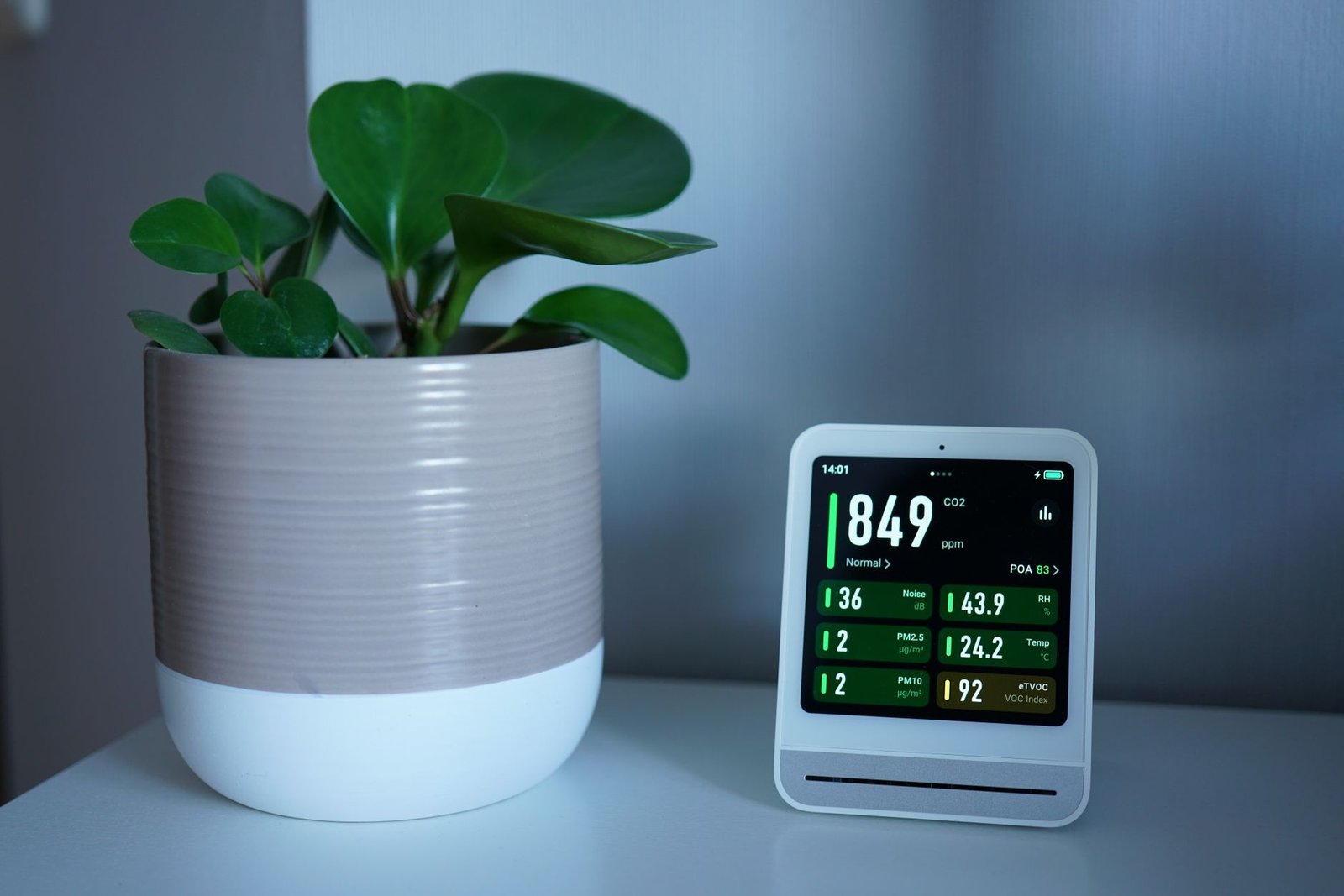
For many, the sensation of stuffy, stagnant air within living spaces is an all too familiar discomfort, impacting overall well-being. Addressing this common issue, specific indoor plants offer a powerful, natural solution to enhance the quality of indoor air. This article explores five particular varieties renowned for their air-purifying capabilities, detailing how these green allies contribute significantly to a healthier and more comfortable home environment in the current year of 2026.
The 2026 Imperative: Breathing Easier at Home
In 2026, consciousness surrounding indoor air quality (IAQ) has reached an unprecedented level. Modern homes, often sealed for energy efficiency, can trap pollutants like volatile organic compounds (VOCs) from furnishings and cleaning products, impacting resident comfort and health. While advanced IAQ monitoring and filtration systems are available, there is a growing recognition of nature’s own solutions. Integrating specific indoor plants is a strategic element in a comprehensive IAQ strategy, aligning with contemporary biophilic design principles to connect living spaces with the natural world.
The Top 5 Air-Purifying Plants for a Healthier Home
Scientific research highlights certain plant species for their exceptional ability to metabolize common indoor air toxins. The following five plants are particularly effective and well-suited for modern residences in 2026, offering robust air purification and manageable care.
1. Snake Plant (Sansevieria trifasciata)
The Snake Plant, celebrated for its striking vertical lines, is a powerhouse of air purification. Its foliage efficiently filters benzene, formaldehyde, trichloroethylene, xylene, and toluene. A unique advantage is its ability to convert carbon dioxide into oxygen at night, making it ideal for bedrooms. Cultivation is remarkably straightforward; this plant thrives on neglect, requiring infrequent watering and tolerating a wide spectrum of light conditions. In 2026, its popularity endures in minimalist smart homes, complementing clean lines and proving highly compatible with advanced recycled polymer planters designed for water conservation.
2. Peace Lily (Spathiphyllum)
The elegant Peace Lily is a highly effective air purifier, tackling a broad spectrum of indoor pollutants. It excels at removing ammonia, benzene, formaldehyde, and trichloroethylene, common in cleaning products and paints. Beyond toxin removal, it naturally increases indoor humidity, beneficial in arid climates or dry seasons, aiding respiratory comfort. This plant prefers consistent moisture and bright, indirect light, with a wilting plant often signaling a need for water. For biophilic design in 2026, its lush foliage and serene white blooms are valued for their aesthetic contribution, complementing natural fiber acoustic panels and sustainable textiles to create calming environments.
3. Spider Plant (Chlorophytum comosum)
The Spider Plant, with its cascading variegated leaves, is celebrated for its visual appeal and significant air-purifying capabilities. It is particularly effective at reducing levels of formaldehyde, xylene, toluene, and carbon monoxide. Its prolific nature allows for easy propagation, enabling homeowners to expand their collection. Highly adaptable, the Spider Plant thrives in a range of conditions, preferring bright to moderate indirect light and moderate watering. Its resilience makes it an excellent choice for various placements, including hanging baskets. In 2026, Spider Plants are integrated into modular shelving systems and vertical gardens, providing natural filtration and verdant accents in urban living spaces.
4. Boston Fern (Nephrolepis exaltata)
The Boston Fern, with its luxuriant fronds, is an iconic indoor plant revered for robust air-purifying qualities and significant contribution to indoor humidity. It is exceptional for targeting formaldehyde and xylene. Its natural humidifying effect benefits residents by alleviating dry skin, irritated eyes, and respiratory discomfort. This fern requires consistent moisture and high humidity, never allowing soil to dry out, and bright, indirect light is crucial. In 2026, Boston Ferns are integral to the popular