
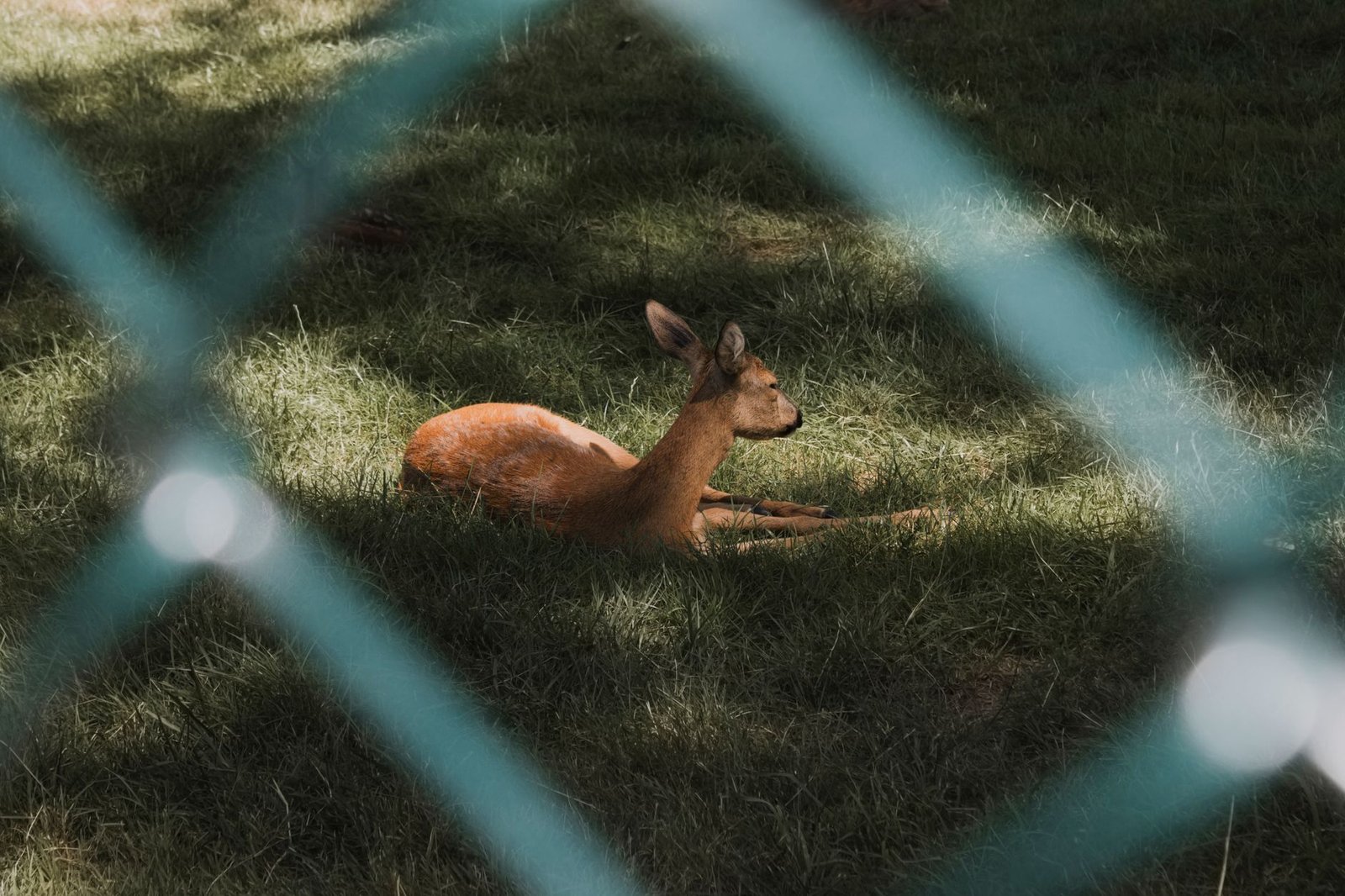
The presence of deer and other garden pests can be a significant challenge for any homeowner dedicated to nurturing a vibrant landscape. In 2026, concerns about ecological balance and humane pest management continue to drive demand for effective, natural solutions. This article outlines seven proven, nature-centric strategies to deter common garden intruders, ensuring garden protection without relying on harmful chemicals or aggressive tactics. These methods focus on creating a less inviting environment for pests while preserving the garden’s aesthetic and ecological integrity.
Understanding Garden Pests in 2026
In the evolving landscape of 2026, garden pests extend beyond the ubiquitous deer, encompassing rabbits, raccoons, voles, and various avian species. Each presents unique challenges, necessitating a comprehensive and adaptable approach to garden protection. Modern horticultural research emphasizes understanding pest behavior and ecological interactions to implement targeted, non-lethal interventions. The shift towards biodiversity and native plant species, while beneficial for pollinators, can also inadvertently attract specific wildlife, requiring residents to employ proactive measures. Homeowners are increasingly seeking solutions that align with sustainable living principles, focusing on long-term ecological harmony rather than short-term eradication.
Preventative Landscape Design Strategies
Effective pest deterrence often begins with intelligent garden planning. Integrating preventative measures into the landscape design from the outset can significantly reduce future pest issues. This approach considers both the aesthetic appeal and the functional integrity of the outdoor space.
Deer-Resistant Plant Palettes
One of the most effective strategies involves selecting plants that deer and other common pests naturally avoid. While no plant is entirely deer-proof, certain species are considerably less palatable. In 2026, advanced plant breeding has introduced new varieties of previously vulnerable species with enhanced resistance. The careful selection of strong-scented herbs like lavender, rosemary, and mint, alongside ornamental grasses and plants with fuzzy or tough foliage, can create a less appealing buffet. Examples include boxwood, coneflowers (Echinacea), and certain ornamental alliums. The resident should research native plant species known for their local pest resistance, contributing to regional biodiversity.
Strategic Fencing and Physical Barriers
Physical barriers remain a cornerstone of pest deterrence. Modern advancements in fencing materials and design offer discreet yet highly effective solutions. For deer, a fence height of at least eight feet is generally recommended. In 2026, options include sleek, virtually invisible mesh fencing that blends seamlessly into the landscape, often made from recycled and durable polymer composites. Electric fencing, when installed humanely with low voltage, provides an effective deterrent without causing harm. For smaller pests like rabbits and voles, buried wire mesh or hardware cloth extending at least six inches below ground can prevent burrowing. Aesthetic considerations for fences have improved significantly, with materials like corten steel and advanced composite wood offering both durability and beauty.
Modern Natural Deterrent Applications
Beyond structural changes, ongoing application of natural deterrents can provide dynamic protection against persistent garden intruders. These methods leverage sensory cues to discourage pests without introducing harmful chemicals.
-
Scent-Based Repellents
Deer and many other garden pests possess a highly developed sense of smell, which can be exploited for deterrence. Commercial repellents based on natural ingredients like putrescent egg solids, hot pepper oil, and peppermint oil are increasingly sophisticated in 2026, offering biodegradable, slow-release formulations that require less frequent application. Homemade concoctions involving strong-smelling substances such as garlic, soap, or predator urine (commercially available in synthetic form) can also be effective. These should be reapplied after rain or every few weeks to maintain efficacy. The resident can strategically place these around vulnerable plants or along garden perimeters.
-
Taste-Based Deterrents
Similar to scent repellents, taste-based solutions make plants unpalatable to pests. Products containing capsaicin (from chili peppers) or bittering agents can be sprayed directly onto foliage. The goal is to condition pests to associate the garden with an unpleasant taste, encouraging them to seek forage elsewhere. In 2026, advancements include micro-encapsulated formulations that adhere better to plants and are more resistant to weathering, extending their protective lifespan. These are often used in conjunction with scent-based methods for a multi-sensory deterrent.
-
Motion-Activated Devices
Sudden movements, lights, or sounds can startle and deter wildlife. Modern motion-activated sprinklers, sound emitters, and light systems are highly customizable and energy-efficient in 2026. AI-powered sensors can now differentiate between pets and target pests, minimizing false alarms and ensuring that only unwanted visitors trigger the deterrent. These devices provide a harmless but effective surprise, encouraging pests to avoid the area. Solar-powered options are prevalent, reducing the environmental footprint and operational costs for the homeowner.
-
Companion Planting & Beneficial Diversity
Beyond deer-resistant plants, companion planting strategically places mutually beneficial species together. Certain plants release compounds that deter pests, while others attract beneficial insects that prey on smaller garden invaders. For deer, planting strong-smelling herbs or alliums around more vulnerable specimens can offer a protective buffer. Enhancing biodiversity in the garden by incorporating native wildflowers and diverse shrubbery can also attract natural predators and create a more resilient ecosystem, naturally reducing pest pressure. This approach minimizes vast monocultures that are particularly attractive to specific pests.
-
Habitat Modification & Exclusion
Making the garden less appealing as a habitat is a proactive step. This involves eliminating tempting food sources and shelter. Fallen fruit, unprotected bird feeders, and pet food left outdoors can attract a variety of pests. Proper waste management, secure compost bins, and trimming overgrown areas that offer cover can significantly reduce pest presence. For smaller pests, ensuring gaps under sheds or decks are sealed can prevent them from establishing dens on the property. The resident should regularly inspect the perimeter for potential entry points.
-
Visual Deterrents
Novel visual deterrents can create an illusion of danger for pests. Reflective objects, such as old CDs or holographic tape, can disorient and startle deer and birds. In 2026, sophisticated scarecrows with moving parts and realistic predator silhouettes are available, some even integrated with solar-powered lights and sound effects. These work by introducing an element of unpredictability into the garden environment, preventing pests from becoming accustomed to a static threat. Their effectiveness is often enhanced when their position is changed periodically.
-
Integrated Pest Management (IPM)
The most robust approach involves an Integrated Pest Management (IPM) strategy. This holistic framework combines several of the above methods into a cohesive plan, emphasizing prevention, monitoring, and minimal intervention. IPM in 2026 incorporates advanced analytics from soil sensors and climate data to predict pest pressures, allowing for highly targeted applications. The homeowner systematically assesses the garden environment, identifies specific pest challenges, and applies a combination of cultural, biological, and physical controls. This iterative process ensures sustainable and adaptable garden protection, minimizing reliance on any single method and promoting long-term ecological balance.
Sustaining a Pest-Resilient Garden for the Future
Protecting a garden from deer and other common pests requires a blend of vigilance, strategic design, and the application of modern, humane deterrents. By adopting a multi-faceted approach that incorporates deer-resistant planting, robust physical barriers, and innovative natural repellents, homeowners can cultivate thriving landscapes in 2026 and beyond. The emphasis on sustainable, eco-friendly solutions not only preserves the beauty and health of the garden but also fosters a respectful coexistence with local wildlife. Regular observation and adaptation of these strategies will ensure the continued success of any pest management plan, safeguarding the garden’s integrity for years to come.