
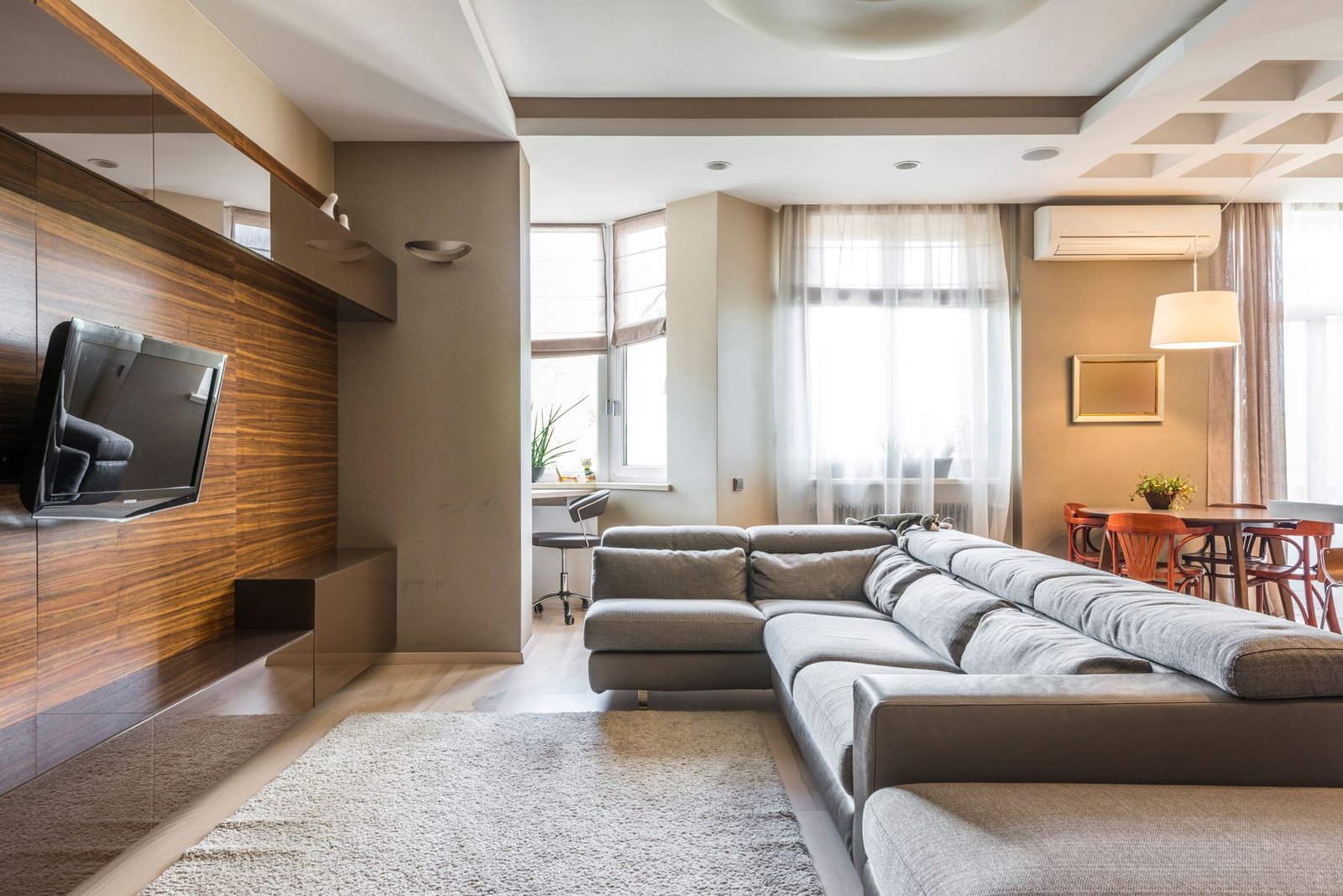
When considering floor coverings for a living room in 2026, homeowners often weigh the merits of area rugs against wall-to-wall carpeting. The optimal choice between these two popular options ultimately depends on the specific aesthetic goals, comfort requirements, and maintenance preferences of the dwelling. This comprehensive guide explores the contemporary trends and material advancements influencing this decision, helping residents select the best flooring foundation for their space.
The Case for Area Rugs in 2026
Area rugs continue to be a favored choice for their versatility and capacity to define distinct zones within an open-plan living environment. The flexibility offered by area rugs allows for dynamic design adjustments, reflecting evolving styles and seasonal aesthetics without a major renovation.
Design Flexibility and Zonal Definition
Area rugs serve as powerful design elements, enabling the homeowner to introduce color, pattern, and texture to a room’s decor. In 2026, the trend leans towards bold, artisanal patterns and biophilic designs, integrating natural motifs and muted earth tones. Layering smaller rugs over a larger, neutral base is also a popular technique for adding depth and visual interest. For open-concept living rooms, a strategically placed area rug can anchor a furniture grouping, effectively delineating a conversation area, reading nook, or entertainment zone without the need for physical barriers.
Modern Material Innovations and Sustainability
The 2026 market for area rugs showcases significant advancements in sustainable and high-performance materials. Residents can find rugs crafted from recycled PET fibers, which offer remarkable durability and stain resistance while minimizing environmental impact. Natural fibers such as Tencel, sisal, jute, and high-quality wool blends remain popular, often treated with eco-friendly, low-VOC finishes to enhance longevity and air quality. Smart textiles incorporating advanced stain-repellent technologies are prevalent, simplifying maintenance for active households. Customizable rug options and modular rug tiles are also gaining traction, allowing for bespoke designs and easy replacement of individual sections.
Maintenance and Adaptability
One of the primary advantages of area rugs is their ease of maintenance and adaptability. Routine vacuuming is typically sufficient, and spills can often be spot-cleaned effectively. For deeper cleaning, many area rugs can be sent out for professional treatment or, in the case of smaller rugs, cleaned at home. The ability to remove or replace an area rug with relative ease offers unparalleled adaptability; it simplifies redecorating, protects underlying floors, and allows for thorough cleaning of the entire floor surface as needed.
The Appeal of Wall-to-Wall Carpet in 2026
Despite the rise of hard surface flooring, wall-to-wall carpeting retains its strong appeal, particularly for residents prioritizing comfort, sound absorption, and a seamless aesthetic. Modern carpeting addresses many past concerns with advanced materials and manufacturing techniques.
Unrivaled Comfort and Sound Absorption
For sheer underfoot comfort, wall-to-wall carpeting remains unmatched. It provides a soft, warm surface that is particularly appealing in colder climates or for families with young children. Beyond comfort, carpeting excels at sound absorption, significantly reducing ambient noise and echoes, a crucial benefit in open-plan living spaces or homes with high ceilings. This acoustic dampening creates a quieter, more serene environment, enhancing the overall domestic comfort.
Seamless Aesthetics and Integrated Warmth
Wall-to-wall carpet offers a unified, uninterrupted aesthetic that can make a living room feel larger and more cohesive. It provides a consistent foundation that can either blend seamlessly with the decor or serve as a subtle backdrop for bolder furnishings. In 2026, trends include plush, low-pile options in sophisticated neutrals, as well as subtle textures like Berber and cut-and-loop patterns that add understated elegance. The insulating properties of carpeting also contribute to energy efficiency, helping to retain warmth in the cooler months and potentially reducing heating costs.
Advancements in Durability and Hypoallergenic Options
Contemporary wall-to-wall carpeting has undergone significant innovations, addressing historical concerns regarding durability and indoor air quality. Fibers like solution-dyed nylon and triexta offer exceptional stain resistance, fade resistance, and resilience against crushing from foot traffic. Many carpets are now treated with hypoallergenic and antimicrobial properties, making them suitable for residents with allergies or sensitivities. Furthermore, the industry offers a wider range of low-VOC (Volatile Organic Compound) carpets and installation adhesives, ensuring healthier indoor air quality upon installation and beyond. Enhanced backing systems also provide better moisture resistance and comfort.
Key Considerations for the Homeowner
The ultimate decision between an area rug and wall-to-wall carpet should be informed by a holistic evaluation of the living space’s requirements and the resident’s lifestyle.
Lifestyle and Traffic Patterns
Consider the daily use of the living room. For high-traffic areas or homes with active children and pets, durable, stain-resistant materials are paramount. Area rugs can be strategically chosen for specific zones, making replacement easier if wear occurs. Wall-to-wall carpet in such environments would benefit from high-performance fibers and denser pile constructions to withstand heavy use without showing premature signs of wear.
Budget and Installation
The initial investment varies significantly. Wall-to-wall carpeting typically involves a higher upfront cost due to materials, professional installation, and padding. Area rugs, while offering a range of price points, generally require a lower initial outlay and can be self-installed. However, the lifespan and long-term value should also be considered. A high-quality wall-to-wall carpet can last for many years, providing a solid return on investment, while area rugs offer the flexibility of more frequent, less costly updates.
Long-Term Maintenance and Air Quality
Regular vacuuming is essential for both options to maintain cleanliness and air quality. Wall-to-wall carpet benefits from professional deep cleaning every 12-18 months to remove embedded dirt and allergens. For area rugs, the ease of rotating or removing them for cleaning can be advantageous. Modern carpeting with low-VOC materials and hypoallergenic treatments can contribute positively to indoor air quality, trapping dust and allergens until vacuumed. However, improper cleaning or maintenance of any textile flooring can impact air quality, so adherence to care instructions is crucial.
Making the Optimal Choice for Your 2026 Living Room
In 2026, the decision between an area rug and wall-to-wall carpet for a living room is not about one option being definitively superior, but rather about aligning the flooring choice with the specific needs and aspirations for the space. If design adaptability, zonal definition, and ease of individual replacement are priorities, the area rug stands out. If the goal is consistent, plush comfort, superior sound dampening, and a seamless, unified aesthetic across the entire room, modern wall-to-wall carpeting with its enhanced durability and health-conscious innovations presents a compelling argument. By carefully considering lifestyle, budget, and long-term maintenance, the homeowner can confidently select the flooring solution that best elevates their living room for years to come.