
In the evolving landscape of domestic comfort and wellness, achieving optimal sleep remains a paramount goal for many residents. As 2026 unfolds, a sophisticated array of smart gadgets has emerged, promising not just to monitor sleep but to actively enhance its quality. This article explores six innovative devices that are genuinely making a difference in cultivating restorative rest, integrating cutting-edge technology with thoughtful design to transform the modern bedroom into a sanctuary of sleep.
The Evolution of Sleep Technology in 2026
The pursuit of restful sleep has transcended basic comfort, entering an era where personalized, data-driven solutions are standard. In 2026, advancements in artificial intelligence and biometric sensing have revolutionized the understanding and management of sleep cycles. Modern materials, from graphene-infused textiles for thermal regulation to sustainably sourced, hypoallergenic polymers, are now integral to sleep technology. The industry trend leans towards discreet, aesthetically integrated devices that offer seamless automation, aligning with minimalist interior design principles while prioritizing physiological benefits. Homeowners are increasingly seeking solutions that adapt to individual needs, moving beyond generic settings to deliver precision sleep environments.
Six Smart Gadgets for Superior Sleep
1. Advanced Climate-Controlled Smart Mattresses
Sleep disruption often stems from thermal discomfort. The 2026 generation of smart mattresses and integrated mattress toppers offers unparalleled climate control, moving far beyond simple heating or cooling. These systems employ intricate networks of micro-channels and phase-change materials, often enhanced with aerogel or graphene composites, to actively regulate surface temperature. Biometric sensors embedded within the mattress continuously monitor the resident’s body temperature and microclimate, adjusting zones across the bed in real-time. This dynamic adaptation ensures optimal thermal conditions throughout the sleep cycle, reducing nocturnal awakenings caused by being too warm or too cold. Many models also feature integrated snore detection and gentle position adjustments, promoting uninterrupted breathing. The integration with smart home ecosystems allows for pre-programmed temperature profiles and remote control, ensuring the sleeping environment is perfectly calibrated upon entry.
2. Circadian-Regulating Smart Lighting Systems
Light exposure significantly impacts the body’s natural circadian rhythm, influencing melatonin production and sleep-wake cycles. Modern smart lighting systems for 2026 are engineered to mimic natural light patterns, promoting alertness during the day and facilitating relaxation in the evening. These advanced LED fixtures offer dynamic color temperature and intensity adjustments, transitioning from bright, cool-toned light in the morning to warm, dim, amber hues as bedtime approaches. Utilizing ultra-low blue light emission technology, often encased in recycled aluminum alloys or bioplastics, these systems minimize disruption to melatonin synthesis. Integration with personal sleep trackers or smart home hubs allows for automated light recipes based on individual sleep patterns and local sunrise/sunset times. The user experiences a gentle wake-up simulation and a calming wind-down routine, naturally aligning internal clocks with environmental cues, significantly improving sleep onset and quality.
3. AI-Powered Adaptive Sound Machines
Noise pollution and inconsistent auditory environments can be major impediments to sleep. The latest AI-powered adaptive sound machines provide more than just static white noise; they create personalized, dynamic soundscapes. Equipped with sophisticated microphones and machine learning algorithms, these devices analyze ambient noise levels and types, generating tailored sound masking or soothing audio compositions in real-time. For instance, an unexpected external noise might trigger a subtle increase in ocean wave sounds or gentle rain. Some models incorporate biofeedback, adjusting sounds based on the resident’s heart rate or sleep stage, as detected by compatible wearables. Material innovations include sound-dampening recycled polymer casings and precision-tuned acoustic drivers, delivering immersive, non-repetitive audio experiences. These systems are designed to foster a cocoon of calm, effectively neutralizing disruptive sounds and guiding the brain into deeper sleep states.
4. Next-Gen Biometric Sleep Trackers
While sleep tracking has been available for years, 2026 sees the advent of next-generation biometric trackers that offer unparalleled accuracy and actionable insights without being intrusive. These devices, available as discreet wearables (e.g., rings, minimalist wristbands using hypoallergenic medical-grade silicones) or non-contact under-mattress sensors, utilize advanced radar, optical, and accelerometer technologies. They precisely monitor heart rate variability, respiratory rate, blood oxygen saturation, body movements, and even subtle micro-awakenings. The collected data is processed by sophisticated AI to provide comprehensive sleep stage analysis (REM, deep, light sleep), identify patterns, and offer personalized recommendations for improvement. Rather than just reporting data, these trackers integrate with other smart home devices to proactively adjust the sleep environment—for example, signaling the smart mattress to cool or the sound machine to activate based on real-time physiological indicators. This proactive feedback loop empowers the resident to truly optimize their sleep health.
5. Automated Blackout Blinds & Curtains
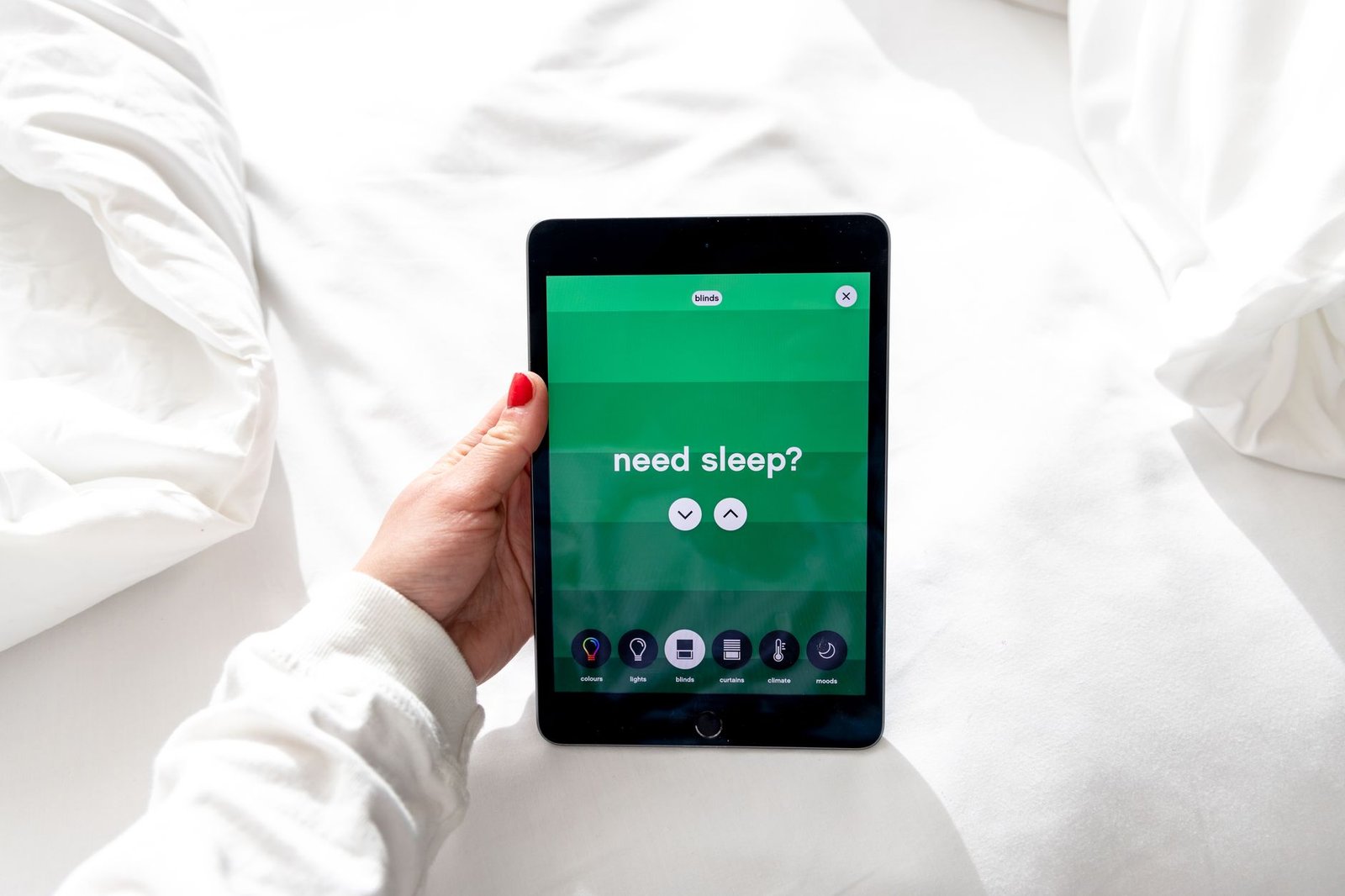
Controlling external light is fundamental for a healthy sleep environment. Automated blackout blinds and curtains in 2026 combine aesthetic appeal with unparalleled functionality. Crafted from multi-layered, light-blocking fabrics—often incorporating advanced polymers for improved thermal insulation and acoustic dampening—these systems ensure complete darkness. Many are made from recycled PET fibers or sustainable cellulosic blends. Integration with smart home platforms allows for scheduled opening and closing, gradual light exposure for gentle wake-ups, or instant blackout with a voice command. Solar-powered options and discreet, silent motors enhance their appeal, reducing energy consumption and maintaining a serene atmosphere. For the design-conscious homeowner, slim-profile track systems and a wide array of textures and colors ensure these functional elements blend seamlessly into any interior scheme, providing precise light control for optimal melatonin production.
6. Integrated Smart Air & Aroma Management Systems
Air quality and ambient scent profoundly impact respiratory comfort and psychological well-being during sleep. Integrated smart air and aroma management systems for 2026 combine high-efficiency particulate air (HEPA) filtration with advanced volatile organic compound (VOC) removal, often utilizing activated carbon and UV-C purification. These devices operate silently, continually monitoring indoor air pollutants, allergens, and humidity levels. Some models feature built-in diffusers for sleep-promoting essential oils, automatically releasing soothing aromas like lavender or chamomile during evening wind-down routines. Materials for these units prioritize low-VOC construction and often include recycled plastics and sustainable filter media. When integrated with the smart home, these systems can pre-purify the air before bedtime and maintain optimal humidity, creating a pristine and therapeutic atmosphere conducive to deep, restorative sleep. The resident benefits from cleaner air and a sensory environment tailored to promote relaxation and sleep onset.
Integrating Smart Sleep Technologies for Holistic Comfort
The true power of these 2026 smart sleep gadgets lies not in their individual capabilities, but in their seamless integration. Modern smart home ecosystems, often leveraging universal communication protocols like Matter or Thread, enable these devices to work in concert. Imagine a scenario where a wearable sleep tracker detects the resident entering a light sleep stage, prompting the smart mattress to adjust temperature, the sound machine to subtly alter its soundscape, and the circadian lighting to begin its gentle sunrise simulation—all orchestrated without conscious input. This level of environmental automation transforms the bedroom into an intelligent, responsive space dedicated to optimizing physiological and psychological readiness for sleep and waking. The focus for homeowners is on creating a personalized, holistic sleep sanctuary where technology acts as an invisible, intuitive assistant, blending into a cohesive design aesthetic of comfort and wellness.
Conclusion
As 2026 progresses, the landscape of sleep enhancement continues its rapid evolution, offering an impressive suite of smart gadgets that genuinely deliver on their promise of better rest. From precisely controlled thermal environments to expertly managed light, sound, and air quality, these innovations provide homeowners with unprecedented control over their nocturnal experience. By embracing these sophisticated technologies and integrating them thoughtfully, residents can transform their bedrooms into bastions of restorative sleep, significantly improving overall well-being and daily productivity. The future of domestic comfort is undeniably smart, and a good night’s sleep is now more attainable than ever through intelligent design and advanced technology.