
Extending the usability of outdoor living spaces through cooler months is a common desire for homeowners. When considering heating options, the primary contenders are patio heaters and outdoor fire pits. Determining which option offers superior cost-efficiency in 2026 requires a detailed analysis of fuel types, operational expenses, and modern advancements. Generally, for consistent, widespread heat, natural gas patio heaters tend to be the most budget-friendly over the long term, while wood-burning fire pits can offer lower sporadic costs but with more variables and maintenance demands.
Patio Heaters in 2026: Efficiency and Modern Trends
Patio heaters have evolved significantly, offering targeted heat and convenience. The operational cost of a patio heater in 2026 largely depends on its fuel source: propane, natural gas, or electricity.
Propane Patio Heaters
Propane models offer portability and are a popular choice for their ease of setup. In 2026, the cost of a standard 20-pound propane tank, providing approximately 10 hours of heat on a medium setting, is estimated to range from $20 to $30, depending on regional market prices and supply chain dynamics. This translates to an operational cost of $2.00 to $3.00 per hour. Modern propane heaters feature improved igniters and more efficient combustion chambers, maximizing heat output from each tank. Innovations in materials for reflectors also ensure more directed heat distribution, reducing wasted energy.
Natural Gas Patio Heaters
Natural gas patio heaters are plumbed directly into a home’s gas line, eliminating the need for tank refills. While the initial installation cost can be higher due to professional plumbing, their operational cost is typically the lowest. Based on 2026 natural gas prices, an average heater consuming 40,000 BTUs per hour might cost between $0.75 and $1.50 per hour to operate, varying by local utility rates. The convenience of an uninterrupted fuel supply and the lower per-hour cost make them an attractive long-term investment. Many 2026 models integrate smart home technology, allowing for remote activation and precise temperature control, optimizing energy usage.
Electric Patio Heaters
Electric patio heaters, particularly infrared models, have gained traction for their silent operation and lack of emissions. These heaters convert nearly all energy into radiant heat, warming objects and individuals directly rather than the air. However, electricity remains one of the more expensive fuel sources for heating. In 2026, with an average electricity rate of $0.15 to $0.25 per kilowatt-hour, a 1500-watt electric heater would cost approximately $0.23 to $0.38 per hour to operate. While seemingly lower per hour than propane, their heat output can be less robust than gas models, often requiring multiple units for larger spaces. Advances in smart grid integration and energy-efficient heating elements are making electric options more viable, especially in regions with lower electricity costs or robust solar power integration.
Outdoor Fire Pits in 2026: Ambiance and Fuel Diversity
Outdoor fire pits provide an unmatched ambiance, serving as a social focal point. Their operational costs depend on whether they are wood-burning or gas-powered.
Wood-Burning Fire Pits
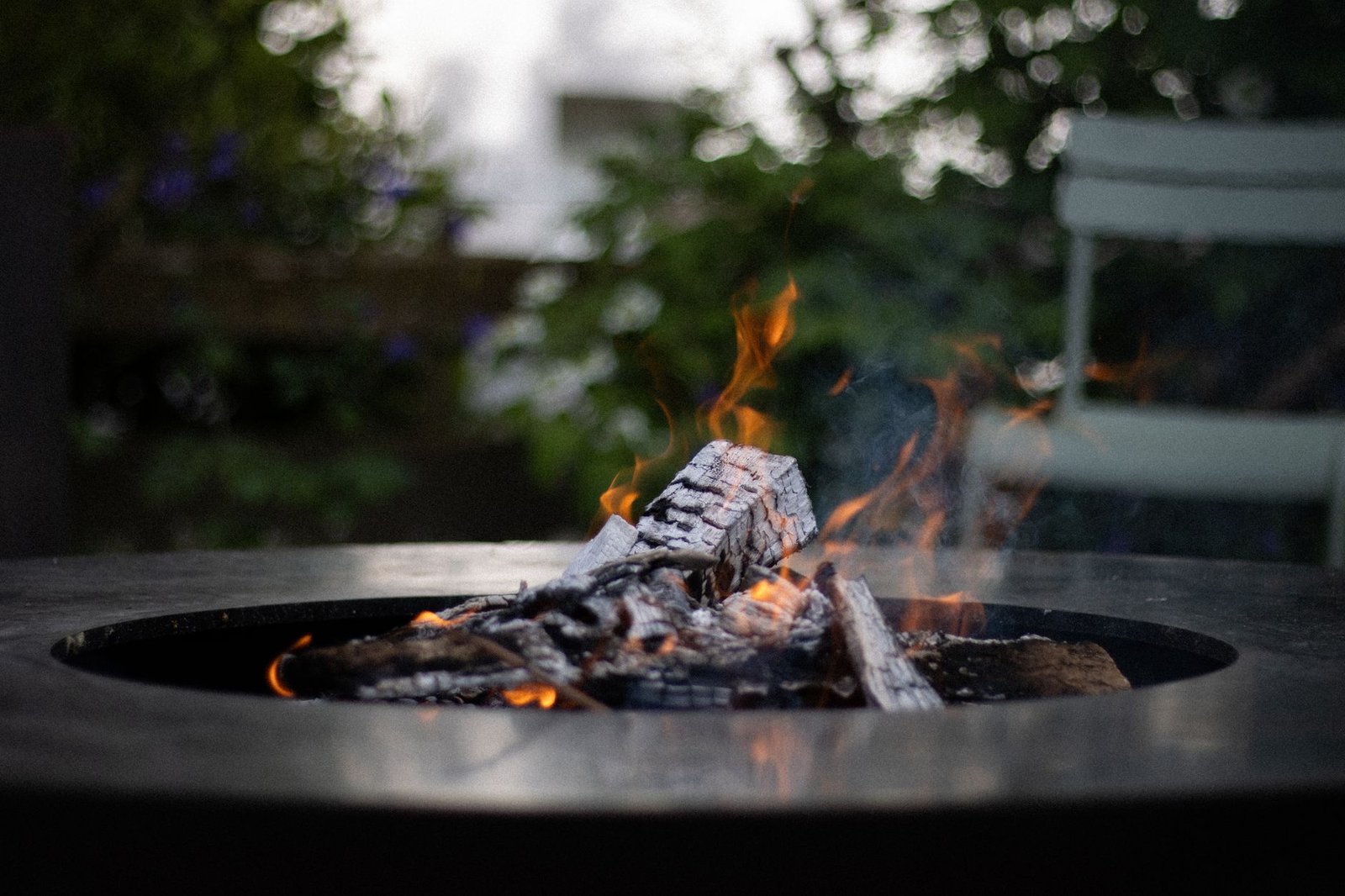
Wood-burning fire pits offer the classic crackle and warmth. The cost of firewood in 2026 varies significantly by region and type. A standard bundle of seasoned hardwood might cost $7 to $12 and burn for 1-2 hours. Bulk purchases, such as a cord of wood (approximately 128 cubic feet), could range from $250 to $600, offering substantial savings per burn session but requiring storage space and effort in preparation. Factoring in the labor for splitting and stacking, the true cost per hour can be highly variable. A significant 2026 trend for wood-burning fire pits is the widespread adoption of smokeless technology. These designs incorporate secondary combustion chambers that re-burn smoke particles, significantly reducing emissions and enhancing efficiency. Modern wood-burning fire pits are also leveraging high-performance steel alloys and recycled metals for increased durability and heat retention.
Gas Fire Pits (Propane and Natural Gas)
Similar to patio heaters, fire pits powered by propane or natural gas offer convenience and cleaner burning. A 20-pound propane tank can fuel a gas fire pit for approximately 3-5 hours, depending on the BTU output, resulting in an operational cost of $4.00 to $10.00 per hour. Natural gas fire pits, once installed, offer continuous operation at an hourly cost similar to natural gas patio heaters, typically between $0.75 and $2.00 per hour. While they lack the aroma of wood, 2026 gas fire pit designs feature advanced burner systems that create more realistic flame patterns and improved radiant heat output. New composite materials and ultra-high-performance concrete (UHPC) are being used for fire pit construction, offering enhanced durability and aesthetic appeal.
Comparative Analysis: Cost, Performance, and Practicality in 2026
When assessing which option is cheaper to operate in 2026, several factors beyond raw fuel cost come into play.
Operational Cost Summary (Estimated Hourly Averages for 2026)
- Natural Gas Patio Heater: $0.75 – $1.50
- Natural Gas Fire Pit: $0.75 – $2.00
- Electric Patio Heater (1500W): $0.23 – $0.38 (Note: may require multiple units)
- Propane Patio Heater: $2.00 – $3.00
- Propane Fire Pit: $4.00 – $10.00
- Wood-Burning Fire Pit: $3.50 – $6.00 (based on bundles, lower with bulk wood)
Based on hourly operational costs alone, electric patio heaters can appear inexpensive, but their heat coverage is often limited. Natural gas appliances, both heaters and fire pits, consistently offer the lowest per-hour operational costs over the long term, assuming the initial installation investment is manageable for the resident.
Initial Investment and Installation
Portable propane patio heaters and basic wood-burning fire pits typically have the lowest initial purchase prices, ranging from $150 to $500. Electric heaters are in a similar range. Natural gas units, both heaters and fire pits, often require professional installation to connect to an existing gas line, which can add hundreds to thousands of dollars to the upfront cost, depending on the complexity of the plumbing. Built-in fire pits, regardless of fuel, also represent a significant capital investment.
Maintenance and Convenience
Natural gas and electric heaters require minimal maintenance beyond occasional cleaning. Propane heaters need tank refills, which can be inconvenient. Wood-burning fire pits demand regular ash removal, kindling preparation, and fuel storage, adding to the homeowner’s effort. Gas fire pits offer the most convenience with instant on/off functionality and no mess.
Environmental Impact in 2026
With a growing focus on sustainability, environmental impact is a key consideration. Wood-burning fire pits, even with 2026’s smokeless technologies, still produce particulate matter and greenhouse gases. Natural gas and propane burn cleaner than wood, but are fossil fuels. Electric heaters, especially if powered by renewable energy sources, offer the cleanest operational footprint.
Safety Considerations
Open flames from fire pits require greater vigilance, especially around children and pets. Patio heaters generally offer more contained heat. Proper ventilation is critical for all fuel types to prevent carbon monoxide buildup in enclosed or semi-enclosed spaces.
Aesthetics and Ambiance
For sheer ambiance and a communal gathering point, the appeal of a fire pit is often unparalleled. Patio heaters, while functional, are primarily utilitarian. The choice often comes down to the desired experience and aesthetic for the outdoor space.
Conclusion
In 2026, the question of which outdoor heating option is cheaper to operate is nuanced. For the homeowner prioritizing the lowest long-term operational cost and consistent heat coverage, natural gas patio heaters emerge as the most budget-friendly choice, despite their higher initial installation expense. They provide efficient, on-demand heat without the hassle of fuel refills. Natural gas fire pits also offer excellent long-term value for those seeking a balance of heat and ambiance. Electric patio heaters present a compelling case for low individual unit operational cost, especially in spaces with limited power requirements or abundant renewable energy access.
Conversely, for occasional use and an unmatched sensory experience, a wood-burning fire pit can be surprisingly cost-effective if bulk wood is sourced. However, the associated labor, mess, and environmental considerations must be weighed. Propane options, both heaters and fire pits, provide flexibility and portability but come with higher per-hour fuel costs compared to their natural gas counterparts. Ultimately, the optimal choice for the resident balances budget, desired outdoor experience, lifestyle, and local energy costs in 2026.