Vertical gardens have emerged as an indispensable solution for residents seeking to infuse vibrant greenery into compact urban environments. In 2026, as cities continue to densify, maximizing outdoor space becomes paramount for homeowners with small balconies and patios. This article explores seven innovative vertical garden ideas, perfectly suited to transform limited areas into lush, thriving oases, reflecting modern design sensibilities and technological advancements.
Maximizing Greenery in Urban Havens
The desire for natural elements within urban dwellings continues to grow, driven by an understanding of biophilic design principles that enhance well-being. Vertical gardens offer an ingenious method to cultivate plants without demanding extensive floor space. These solutions not only provide aesthetic appeal but also contribute to improved air quality and a sense of tranquility. For homeowners navigating the constraints of city living, the vertical dimension presents an untapped frontier for gardening, making even the smallest outdoor area a potential canvas for horticultural expression.
Innovative Vertical Garden Solutions for Compact Spaces
Modular Panel Systems
Modular panel systems offer a sophisticated and versatile approach to vertical gardening. These interlocking panels, often crafted from durable, weather-resistant materials like recycled plastics or advanced bio-composites, are prevalent in 2026. Easily mounted onto walls, they allow for customizable configurations. Many contemporary designs incorporate integrated drip irrigation or self-watering reservoirs, significantly reducing maintenance for the resident. This method is ideal for creating expansive green walls with a uniform, polished look.
Pocket Planters & Fabric Walls
Lightweight and highly adaptable, pocket planters and fabric wall systems suit renters or those desiring a less permanent installation. Constructed from robust, UV-stabilized geo-textile fabrics, these feature multiple pockets hung from hooks or railings. Perfect for herbs, succulents, and small flowering plants, the breathable fabric promotes healthy root development. Flexibility allows for easy repositioning or seasonal changes. Modern iterations often include enhanced drainage layers to prevent waterlogging.
Trellis Systems with Climbing Plants
A timeless method, trellis systems allow climbing plants to ascend and beautify a vertical surface. Modern trellis designs in 2026 often feature minimalist aesthetics, utilizing sleek powder-coated aluminum, sustainable bamboo composites, or smart metal alloys. Residents can choose from compact clematis, star jasmine, or miniature climbing roses, adding greenery and fragrant blooms. This solution encourages natural growth patterns and offers dynamic visual interest.
Stacked & Tiered Planters
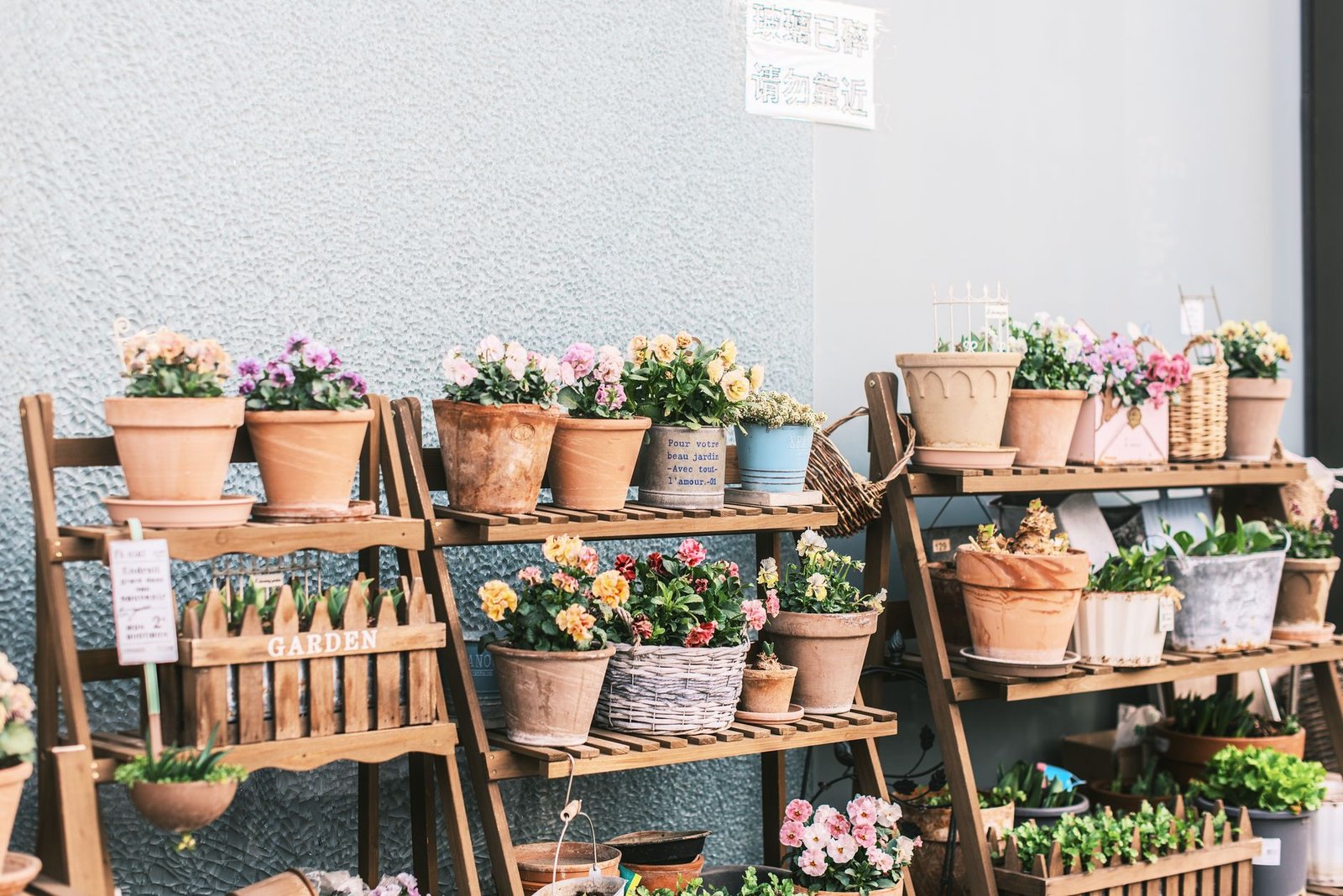
Stacked planters offer an efficient use of vertical space by arranging multiple planting tiers. These can range from purpose-built towers to creatively stacked individual pots. Ideal for growing edibles like strawberries, herbs, and leafy greens, as well as compact ornamentals. Many contemporary tiered systems incorporate central watering funnels or internal reservoirs, making them highly water-efficient and low-maintenance. Their compact footprint suits very narrow balconies.
Upcycled Pallet Gardens
For the environmentally conscious resident, transforming reclaimed wooden pallets into vertical gardens offers a cost-effective solution. By orienting a pallet vertically and securing fabric or wooden shelves within its slats, multiple planting pockets are created. It is crucial to ensure pallets, especially for edibles, are heat-treated (‘HT’) rather than chemically treated. In 2026, new sealants and eco-friendly wood preservatives extend the lifespan of these upcycled creations, protecting against weathering and enhancing durability and aesthetic appeal.
Hydroponic & Aeroponic Towers
Embracing cutting-edge technology, hydroponic and aeroponic vertical towers represent the pinnacle of modern urban gardening. These soilless systems cultivate plants by delivering nutrient-rich water directly to the roots, significantly reducing water consumption and accelerating growth. The 2026 market offers sleek, self-contained units with integrated LED grow lights, smart sensors, and smartphone connectivity. This allows for precise environmental control and minimal manual intervention, ideal for growing leafy greens, herbs, and some fruiting vegetables year-round, regardless of balcony size or sun exposure.
Repurposed Container Walls
Unleashing creativity, repurposed container walls involve transforming everyday objects into unique planters. Items like old tin cans, plastic bottles, discarded PVC pipes, or old boots can be cleaned, decorated, and securely mounted onto a wall or frame. This method is highly customizable and champions sustainability by giving new life to items that would otherwise be discarded. For 2026, durable, eco-friendly paints and sealants enhance the longevity and appearance of these elements, ensuring they withstand outdoor conditions while reflecting the homeowner’s personal style.
Trends and Future-Proofing Vertical Gardens in 2026
Smart Integration and Automation
One of the most significant trends in 2026 is the widespread adoption of smart technology. Vertical gardens are increasingly equipped with automated irrigation systems that monitor soil moisture or humidity, adjusting water delivery based on real-time data. Integrated nutrient dosers and app-controlled LED lighting systems simulate ideal sunlight, especially beneficial for shaded balconies. These advancements significantly reduce the effort required from the resident, making urban gardening accessible even to those with busy lifestyles.
Sustainable Materials and Practices
The emphasis on environmental responsibility continues to drive material innovation. Manufacturers increasingly utilize recycled plastics, bio-based polymers, and sustainably sourced wood composites. Water conservation is paramount, with closed-loop hydroponic and aeroponic systems minimizing waste. A focus on organic pest control and companion planting within vertical setups also promotes ecological balance without harmful chemicals.
Biophilic Design and Well-being
Beyond practical utility, vertical gardens are recognized for their profound impact on human well-being. Incorporating abundant greenery into residential spaces aligns with biophilic design, fostering a stronger connection to nature. This connection has been linked to reduced stress, improved mood, and enhanced cognitive function. In 2026, vertical gardens are viewed not just as decorative elements but as integral components of a healthy, comfortable living environment.
Versatility and Customization
The market in 2026 offers an unprecedented array of customizable vertical garden solutions. From bespoke modular systems integrating seamlessly with architectural features to readily available kits for easy personalization, residents have ample choice. The ability to mix and match diverse plant types – edibles, ornamentals, and air-purifying varieties – within a single vertical structure provides both functional and aesthetic flexibility, catering to diverse preferences and requirements.
Vertical gardens offer an unparalleled opportunity to transform small balconies and patios into vibrant, productive green spaces. By embracing these innovative solutions, from modular panels to smart hydroponic towers, residents can overcome the limitations of urban living and cultivate lush environments. The advancements in materials, technology, and design in 2026 make it easier than ever to integrate nature into compact homes, fostering a deeper connection with the natural world and enhancing overall domestic comfort. Maximizing vertical space is not just a trend; it is a fundamental shift towards more sustainable, beautiful, and livable urban dwellings.