The challenge of awkwardly shaped or underutilized corner spaces is a common dilemma in many homes. Far from being dead zones, these often-overlooked areas present significant opportunities for enhanced functionality and aesthetic appeal. This article explores five clever interior design ideas, incorporating leading trends and material innovations for 2026, to transform these corners into valuable assets.
Maximizing Small Spaces: The Corner Conundrum
In contemporary home design, every square foot holds potential. Awkward corner spaces, typically characterized by their unconventional angles or limited accessibility, are frequently left vacant or become repositories for clutter. However, with thoughtful planning and innovative design strategies, these areas can be reimagined as highly functional and visually engaging elements of the home. The focus for 2026 is on leveraging smart solutions that blend seamlessly with the overall design narrative while providing practical utility.
2026 Design Trends for Corner Integration
Several key design trends for 2026 significantly influence the approach to corner utilization:
- Multifunctionality and Adaptability: Furniture and built-ins are increasingly designed to serve multiple purposes, a perfect fit for maximizing corner utility.
- Biophilic Design Integration: Bringing nature indoors continues to be a dominant trend, with corners offering prime locations for vertical gardens or plant displays.
- Smart Home Technology: Seamless integration of technology, from hidden charging stations to ambient lighting controls, can elevate the functionality of a corner space.
- Sustainable Materials: A strong emphasis on eco-friendly and recycled materials informs choices for built-ins and decorative elements.
- Warm Minimalism: Clean lines and uncluttered spaces remain popular, but with an added layer of warmth through textures, natural materials, and soft lighting.
5 Clever Interior Design Ideas for Awkward Corner Spaces
1. The Integrated Home Office Nook
With remote work remaining prevalent, creating a dedicated yet unobtrusive workspace is paramount. An awkward corner can be transformed into an efficient home office nook. This involves a custom-built desk that fits the exact dimensions of the corner, often paired with floating shelves above for storage. In 2026, ergonomic considerations are key, with adjustable-height desk segments and comfortable, compact seating. Material trends lean towards lightweight, recycled composite work surfaces and acoustic panels made from sustainable fibers to minimize distractions. Integrated wireless charging pads and concealed cable management systems maintain a clean, productive aesthetic.
2. The Vertical Garden or Biophilic Display
Embracing biophilic design, a corner can become a stunning vertical garden or a sophisticated display for indoor plants. This not only adds natural beauty and improves air quality but also creates a calming focal point. Modular vertical garden systems, some featuring integrated self-watering mechanisms and smart LED grow lights, are gaining traction. For residents preferring a simpler approach, tiered plant stands crafted from reclaimed wood or sleek metal offer an elegant solution. Consider incorporating species like Pothos or ZZ plants, known for their adaptability and aesthetic appeal. The use of bioplastics for planters and recycled glass terrariums aligns with 2026 sustainability goals.
3. Bespoke Built-In Storage and Seating
Custom built-ins are perhaps the most effective way to maximize corner utility. A U-shaped or L-shaped banquette with integrated lift-top storage offers comfortable seating while concealing clutter. This is ideal for dining areas, living rooms, or even large entryways. The trend for 2026 emphasizes smart storage solutions: pull-out drawers, hidden compartments, and modular shelving units that adapt to varying needs. Materials like sustainably sourced hardwoods, low-VOC finishes, and durable performance fabrics are preferred for longevity and environmental responsibility. The inclusion of soft, ambient lighting within the built-in units can enhance the cozy atmosphere.
4. The Smart Reading Sanctuary
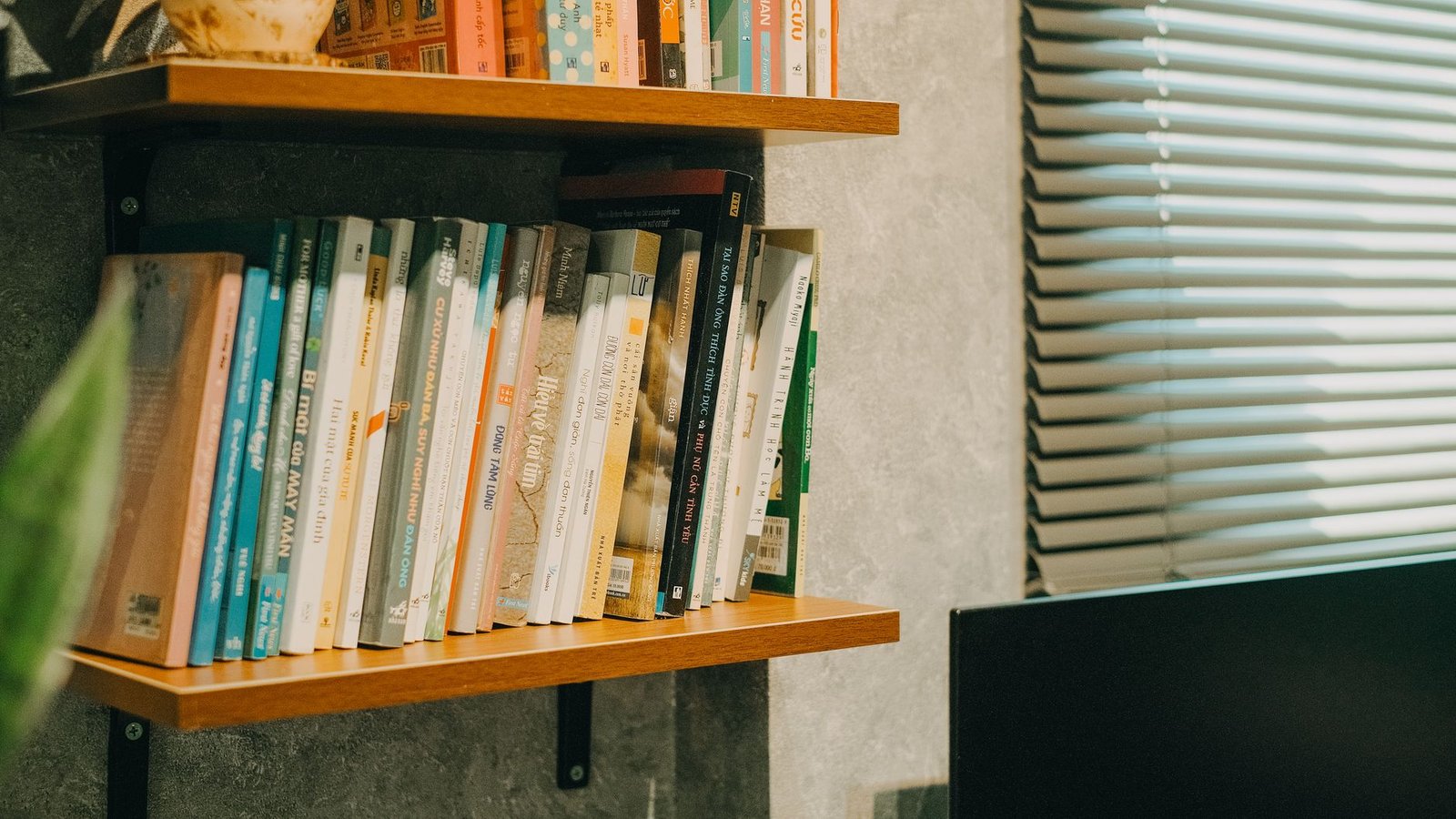
Transforming a quiet corner into a dedicated reading nook offers a serene escape. This concept goes beyond a simple armchair and lamp. In 2026, it involves creating a truly immersive experience. A comfortable, ergonomic chaise lounge or a plush armchair can be paired with a slim, adjustable floor lamp featuring smart lighting capabilities (e.g., color temperature control, dimming via voice command). Floating bookshelves or a narrow, tall bookshelf designed to fit the corner’s angle can house a literary collection. Acoustic panels on adjacent walls, made from recycled PET felt, can further enhance the tranquility. Integrated USB charging ports and a discreet side table crafted from a unique material like upcycled marble or a biocomposite complete the sanctuary.
5. Dynamic Display Zones
For individuals who enjoy showcasing art, collectibles, or decorative objects, an awkward corner can become a dynamic display zone. This moves beyond traditional shelving to embrace innovative presentation methods. Tiered platforms, rotating display units, or even illuminated recessed niches can highlight prized possessions. Integrated smart lighting systems, controlled via an app, allow for precise illumination and mood setting. Materials like transparent recycled acrylic or sleek metal frames create a contemporary gallery feel. For a more organic aesthetic, floating shelves made from live-edge wood or textured concrete can provide a grounding contrast. The goal is to create an engaging visual narrative that evolves with the resident’s interests.
Modern Materials and Technologies for Corner Transformations
The year 2026 sees continued innovation in materials and smart home technology, providing designers with an expanded palette for corner solutions:
- Sustainable Composites: Engineered wood products made from recycled content, bamboo composites, and bioplastics offer durability and eco-consciousness.
- Smart Glass: Dimmable or switchable privacy glass can be used for corner enclosures or partitions, offering flexibility in light and privacy.
- Integrated LED Lighting: Slim, energy-efficient LED strips and puck lights can be seamlessly embedded into shelves, cabinetry, and ceilings, providing both task and ambient illumination.
- Acoustic Panels: Beyond their functional benefits, decorative acoustic panels made from recycled felt or cork are used as textural elements that enhance both sound quality and visual appeal.
- Modular Systems: Highly adaptable and reconfigurable modular furniture and storage systems provide flexibility for residents whose needs may change over time.
Conclusion: Rethinking the Corner
Awkward corner spaces are no longer a design afterthought but rather a canvas for creative expression and practical innovation. By applying the principles of multifunctionality, biophilic integration, and smart technology, and by embracing sustainable and advanced materials available in 2026, residents can transform these overlooked areas into highly valuable and aesthetically pleasing elements of their homes. The successful transformation of a corner space lies in understanding its unique geometry and envisioning its potential beyond its initial perceived limitations, ultimately enhancing the overall comfort and efficiency of the living environment.