
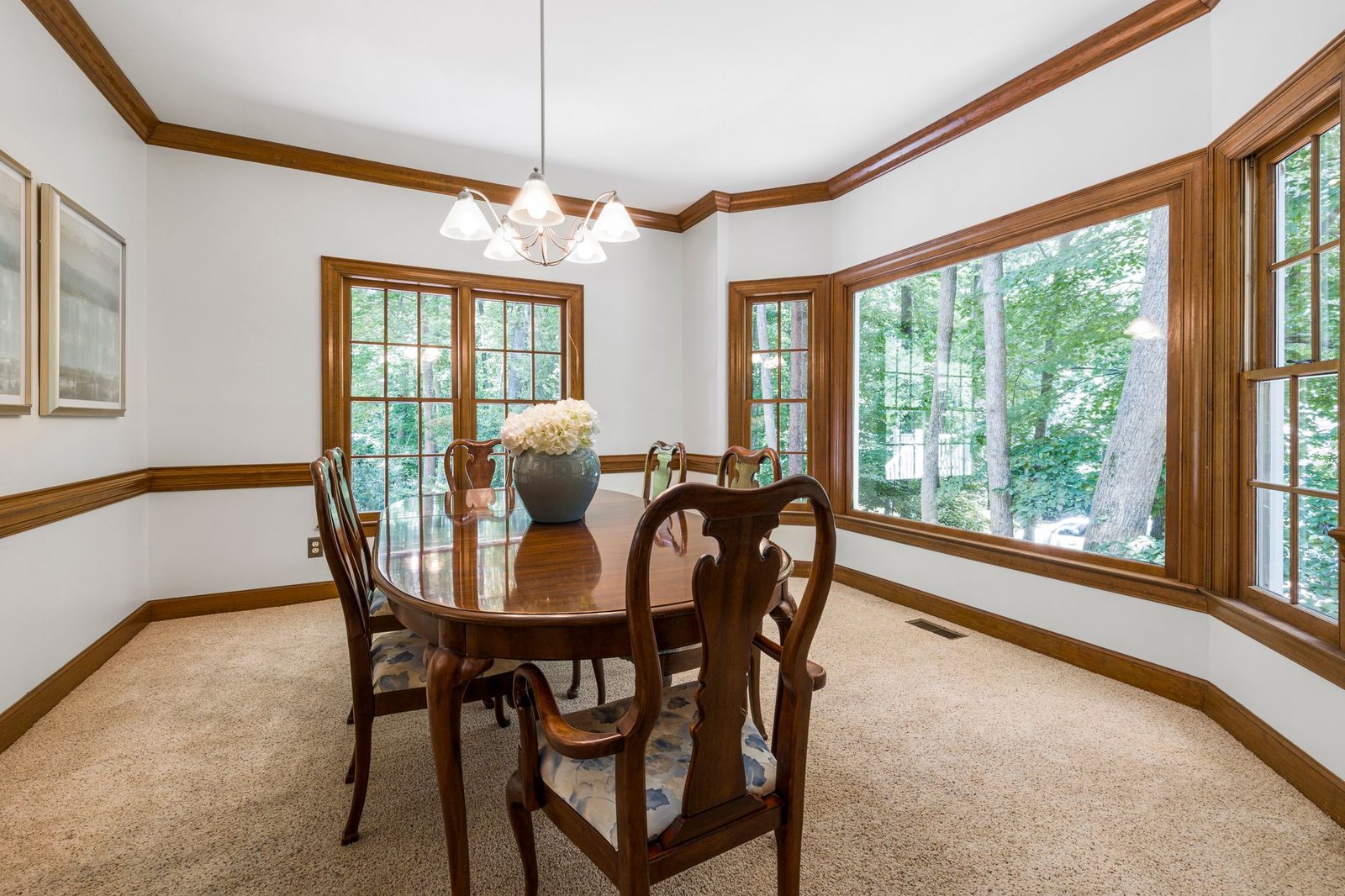
When considering interior design choices for a residence, the debate between dark wood trim and classic white trim remains a perennial discussion among homeowners and prospective buyers. For 2026, the question of which trend offers superior resale value is nuanced, with white trim often providing broader market appeal due to its versatility and perceived brightness, while dark wood trim can command a premium in specific design contexts emphasizing luxury and natural warmth.
Understanding the evolving landscape of interior design and homeowner preferences is critical when making such decisions, particularly with an eye toward future property transactions. This article delves into the aesthetic appeal, maintenance considerations, and potential impact on resale value for both dark wood and white trim in modern homes, incorporating 2026 industry trends and material advancements.
The Aesthetic Allure: Dark Wood vs. White Trim in 2026
The visual impact of trim significantly influences a home’s overall aesthetic. Each option presents distinct advantages that resonate with different design philosophies prevalent in 2026.
Dark Wood Trim: Sophistication and Warmth
Dark wood trim, often featuring rich tones like walnut, ebony, or deep cherry, exudes a sense of traditional elegance and grounded sophistication. In 2026, this trend is seeing a resurgence, particularly in designs that embrace biophilic principles and a connection to natural materials. Homes with dark wood trim often feature:
- Architectural Presence: Dark trim defines spaces, drawing attention to architectural details such as doorways, windows, and built-in features. This creates a strong visual framework within a room.
- Warmth and Coziness: The inherent warmth of natural wood tones contributes to a cozy and inviting atmosphere. This is especially appealing in spaces designed for relaxation or formal entertainment.
- Luxury Appeal: High-quality dark wood, particularly sustainable hardwoods or reclaimed timbers, can convey a sense of bespoke luxury and craftsmanship. Modern finishes, including matte and low-VOC sealants, enhance the natural beauty of the grain.
- Contrast and Drama: When paired with lighter wall colors, dark trim creates striking contrast, adding depth and drama to an interior.
However, dark wood trim can make smaller rooms feel more enclosed or visually heavy if not balanced with ample natural light and lighter furnishings.
White Trim: Brightness and Versatility
Classic white trim remains a timeless choice, celebrated for its ability to brighten spaces and provide unparalleled versatility. Its enduring popularity in 2026 is bolstered by its compatibility with a wide array of design styles, from minimalist contemporary to farmhouse chic.
- Expansive Feel: White trim reflects light, making rooms feel larger, airier, and more open. This is a significant advantage in properties where maximizing perceived space is crucial.
- Clean and Crisp: It offers a clean, crisp finish that enhances a room’s overall freshness. This look aligns well with wellness-focused design trends that prioritize light and purity.
- Design Flexibility: White trim acts as a neutral canvas, allowing for greater freedom in wall colors, furniture, and decor. This adaptability is highly valued by homeowners who enjoy updating their interiors frequently.
- Broad Market Appeal: Its ubiquitous nature means white trim generally appeals to a wider demographic of potential buyers, who often prefer a move-in ready aesthetic that can be easily personalized.
While often perceived as low-maintenance, white trim can show scuffs and dust more prominently, potentially requiring more frequent spot cleaning.
Maintenance and Durability: A 2026 Perspective
The practical aspects of maintaining interior trim play a significant role in its long-term appeal and homeowner satisfaction.
Maintaining Dark Wood Trim
Modern advancements in wood finishes have improved the durability and ease of maintenance for dark wood trim. In 2026, homeowners can expect:
- Dust Visibility: Dark surfaces tend to show dust more readily than white, necessitating regular dusting to maintain a pristine appearance.
- Scratch Resistance: While natural wood can be prone to scratches, many contemporary sealants and hardeners, including advanced polyurethane and eco-friendly oil-based finishes, offer enhanced protection. Minor scratches on dark wood can often be disguised with wood markers or specific polishes.
- Longevity: Properly cared-for wood trim is exceptionally durable and can last for decades, often developing a rich patina over time that adds character.
- Repairs: Significant damage may require professional sanding and refinishing, which can be more involved than painting.
Maintaining White Trim
White trim, typically painted, benefits from the evolution of paint technology:
- Scuff and Stain Resistance: Many paints available in 2026 feature advanced polymer formulations that offer superior scuff, stain, and mildew resistance, making cleaning easier. Semi-gloss or satin finishes are common for trim due to their durability and ease of wiping.
- Ease of Repainting: Scratches or chips on white trim are relatively easy to touch up or repaint. A fresh coat of paint can quickly revitalize the look of the trim, a task many homeowners can manage themselves.
- Dust and Dirt Concealment: White trim is often more forgiving of light dust, though scuff marks from everyday traffic can be more noticeable and require regular cleaning.
- Longevity of Finish: While the underlying material of white trim (often MDF or pine) is durable, the paint finish may require repainting every 5-10 years, depending on wear and tear.
Resale Value Impact in 2026: Which Trim Trend Wins?
The ultimate consideration for many homeowners is how their design choices will influence the property’s marketability and value.
The Broad Appeal of White Trim
In 2026, white trim generally holds the edge for broader appeal and predictable resale value. This is primarily due to its:
- Neutrality: White trim provides a clean slate that allows potential buyers to easily envision their own decor and furnishings. This reduces perceived barriers to personalization.
- Perceived Freshness: A home with white trim often feels brighter, cleaner, and more updated, which are key selling points.
- Versatility: Its ability to complement virtually any wall color or interior style means it appeals to a larger segment of the buying public, minimizing the risk of alienating buyers with specific aesthetic preferences.
- Modern Preference: Current market trends continue to favor bright, open, and airy spaces, in which white trim plays a foundational role.
The Niche Appeal of Dark Wood Trim
While white trim may offer broader appeal, dark wood trim can contribute positively to resale value in certain scenarios, particularly in 2026’s emphasis on natural and artisanal elements:
- High-End, Traditional, or Craftsman Homes: In properties with inherent architectural character (e.g., historic homes, Craftsman bungalows, or luxury estates) where dark wood trim is original or an authentic replication, it is often seen as a premium feature that enhances authenticity and value.
- Biophilic and Wellness Designs: As homeowners increasingly seek connections to nature, dark wood trim made from sustainably sourced or reclaimed materials can be a strong selling point, appealing to environmentally conscious buyers.
- Specific Design Contexts: In homes with a cohesive design narrative that intentionally incorporates rich, dark tones and textures, dark wood trim can elevate the overall aesthetic and attract buyers who appreciate sophisticated, curated interiors.
- Quality Perception: Solid, well-maintained dark wood trim often conveys a sense of enduring quality and craftsmanship, which can be a significant draw.
Conclusion
For homeowners aiming for the broadest possible market appeal and ease of sale in 2026, classic white trim remains the safer and often more advantageous choice for resale value. Its inherent versatility, brightness, and ability to make spaces feel larger and cleaner resonate with a vast majority of potential buyers. However, the decision is not entirely one-sided. Dark wood trim, when executed thoughtfully in homes with appropriate architectural styles or within designs that prioritize natural luxury and a sense of grounded sophistication, can be a distinct asset. Ultimately, the choice should align with the home’s overall architectural style, the homeowner’s personal aesthetic preferences, and a realistic assessment of the target market for the property.