For busy families navigating the complexities of modern living in 2026, efficient home organization is not merely a luxury but a necessity. The question of which organizing method—Marie Kondo’s KonMari or The Home Edit’s aesthetic containment—best serves a dynamic household is a common dilemma, with each offering distinct benefits and challenges. Ultimately, the optimal choice depends on the family’s core values, available time, and desired long-term aesthetic, with contemporary trends influencing the practical application of both.
Understanding the Core Philosophies in 2026
The foundational principles of both KonMari and The Home Edit remain relevant, though their integration into 2026 lifestyles often sees subtle shifts, particularly concerning sustainable practices and technological augmentation.
The KonMari Method: Sparking Joy in a Digital Age
Marie Kondo’s KonMari method emphasizes a profound, once-in-a-lifetime decluttering event focused on introspection and gratitude. The core principle revolves around holding each item and asking, “Does this spark joy?” Items that do not evoke this feeling are thanked and respectfully discarded. This process is categorized: clothing, books, papers, komono (miscellany), and sentimental items. In 2026, this approach resonates with a growing desire for digital minimalism and intentional living, where physical clutter often mirrors digital overload. Homeowners adopting KonMari in this era may extend the ‘spark joy’ principle to their digital assets, streamlining subscriptions, cloud storage, and device content alongside physical possessions.
For busy families, the KonMari method can feel daunting due to its significant upfront time investment. It requires dedicated focus from all household members, which can be challenging to coordinate. However, the reward is a dramatically pared-down environment where every item serves a purpose or evokes positive emotion, potentially reducing long-term maintenance by minimizing overall inventory. The emphasis on vertical storage and finding a designated ‘home’ for everything fosters a sense of order and peace.
The Home Edit Approach: Rainbows, Containers, and Practicality
In contrast, The Home Edit (THE) method, popularized by Clea Shearer and Joanna Teplin, focuses on practical, visually appealing organization using containment, categorization, and aesthetically pleasing arrangements, often featuring their signature ‘rainbow’ color coordination. Their mantra is “edit, categorize, contain, and maintain.” This system is less about introspection and more about creating highly functional, easy-to-navigate systems, often leveraging clear acrylic bins, turntables, and risers.
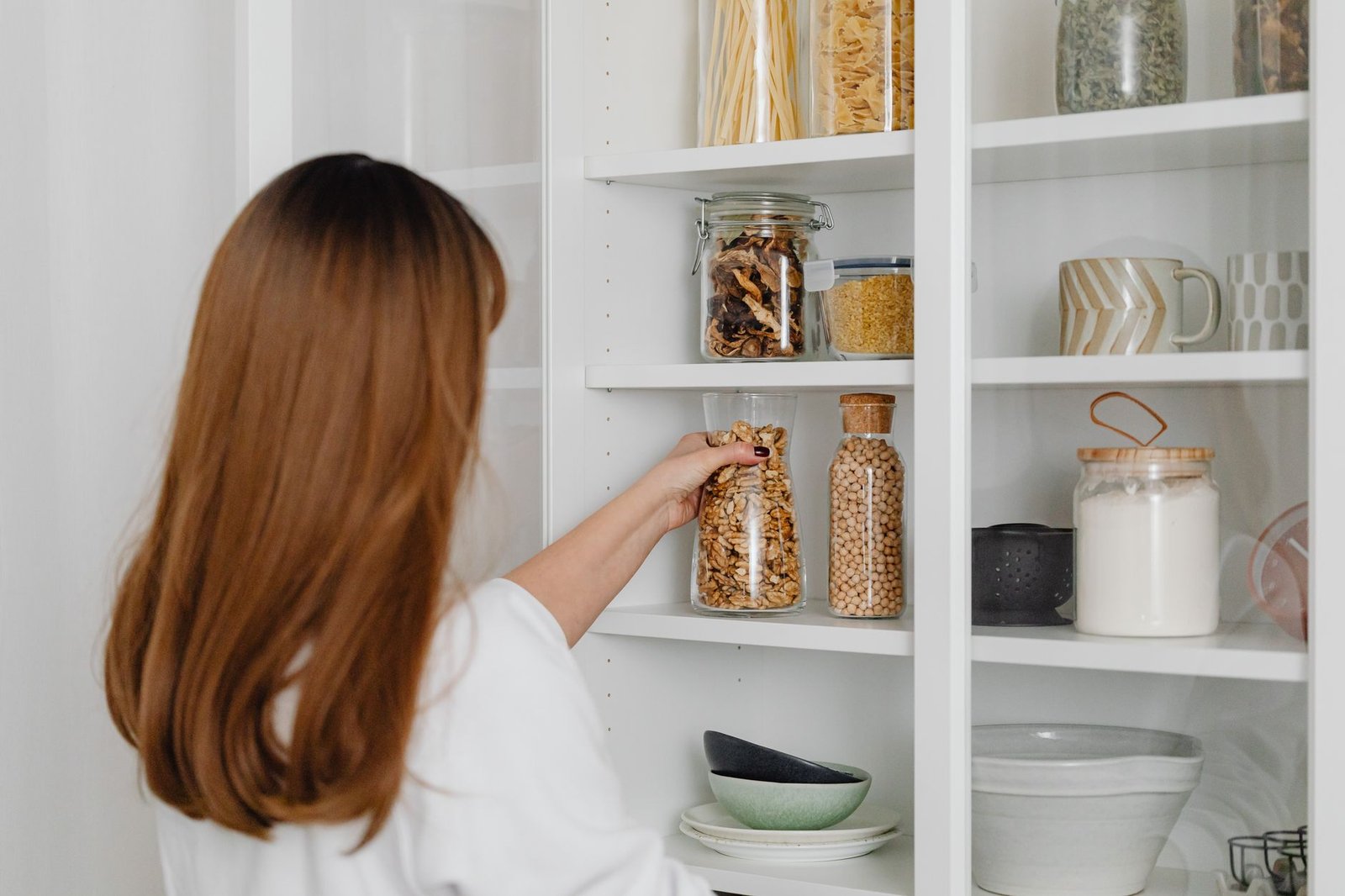
For the busy family in 2026, THE approach offers immediate visual gratification and clear boundaries for different item types. Its container-centric philosophy is particularly effective for managing high-volume areas like pantries, playrooms, and linen closets, where seeing all available items at a glance is beneficial. This method naturally lends itself to a modular design aesthetic, aligning with 2026 trends for adaptable home environments. The focus on designated zones for each family member’s belongings can help reduce friction and encourage independent tidying, a significant benefit for households with children.
Practical Application for Busy Families in 2026
Considering the fast-paced lives of modern families, the real-world application of each method is critical to determining its suitability.
Time Commitment and Initial Investment
KonMari demands a substantial, concentrated initial effort. This might require blocking out several consecutive days or weekends, a challenge for parents balancing work, school, and extracurricular activities. The financial investment, initially, is minimal, as the method encourages utilizing existing storage solutions and reducing overall possessions. However, for those requiring assistance, hiring a certified KonMari consultant represents an additional cost.
The Home Edit can be implemented in stages, tackling one area at a time. This ‘zone-by-zone’ approach can feel more manageable for busy schedules. However, it typically involves a greater upfront financial investment in organizing products—specifically, the often-premium clear acrylic containers and labels that are central to its aesthetic. Families may find themselves investing in sustainable, recycled PET or bamboo containers in 2026 to align with eco-conscious consumption patterns.
Maintaining the System Long-Term
Long-term maintenance is where the divergence becomes apparent. With KonMari, if the initial decluttering is thorough, maintenance primarily involves returning items to their designated homes and performing periodic ‘joy checks.’ The reduced volume of possessions naturally makes tidying quicker.
The Home Edit system relies heavily on consistent containment. Each item has its designated container, and the system works best when items are returned precisely. This can be effective for families who value visual order and have routines for putting things back. For households where items are frequently misplaced or children are not yet adept at precise placement, the system might degrade, leading to visual clutter despite the containers.
Modern Material Developments and Tech Integration in 2026
In 2026, both methods benefit from advancements in materials and technology. KonMari users might embrace minimalist, sustainable furniture pieces crafted from reclaimed wood or bioplastics that perfectly house their carefully curated possessions. The Home Edit users will find a wider array of aesthetically pleasing and durable containers made from recycled polymers, bamboo, or even 3D-printed custom solutions. Smart labeling systems, leveraging QR codes or RFID tags for inventory management, can enhance the efficiency of both methods, especially for items in deep storage or those infrequently accessed. AI-powered apps assisting with digital decluttering or suggesting optimal storage solutions based on object recognition are becoming increasingly sophisticated, offering valuable support to the busy homeowner.
Which Method Wins for Busy Families in 2026?
For the busy family, neither method is a definitive ‘winner,’ as their effectiveness is deeply personal. The choice hinges on the family’s priorities:
- If the goal is a profound, minimalist transformation, leading to less stuff overall and a calmer environment, and the family can commit to a significant initial decluttering sprint, KonMari is likely the superior choice. Its focus on intrinsic value can foster deeper appreciation for possessions.
- If the goal is visual order, clear systems, and easy accessibility, with a willingness to invest in aesthetic containment solutions, and the family prefers a gradual implementation, The Home Edit provides an excellent framework. Its practical, zone-based approach can be highly effective for managing the constant influx of items in a family home.
Many families in 2026 find success by adopting a hybrid approach: using KonMari principles for the initial, deep decluttering phase to significantly reduce overall volume, and then employing The Home Edit’s container-based strategies for maintaining order in high-traffic or visually prominent areas like pantries, bathrooms, and playrooms. This blends the introspective decluttering with practical, aesthetic containment, offering a balanced solution for the modern, busy household seeking enduring domestic comfort and order.