
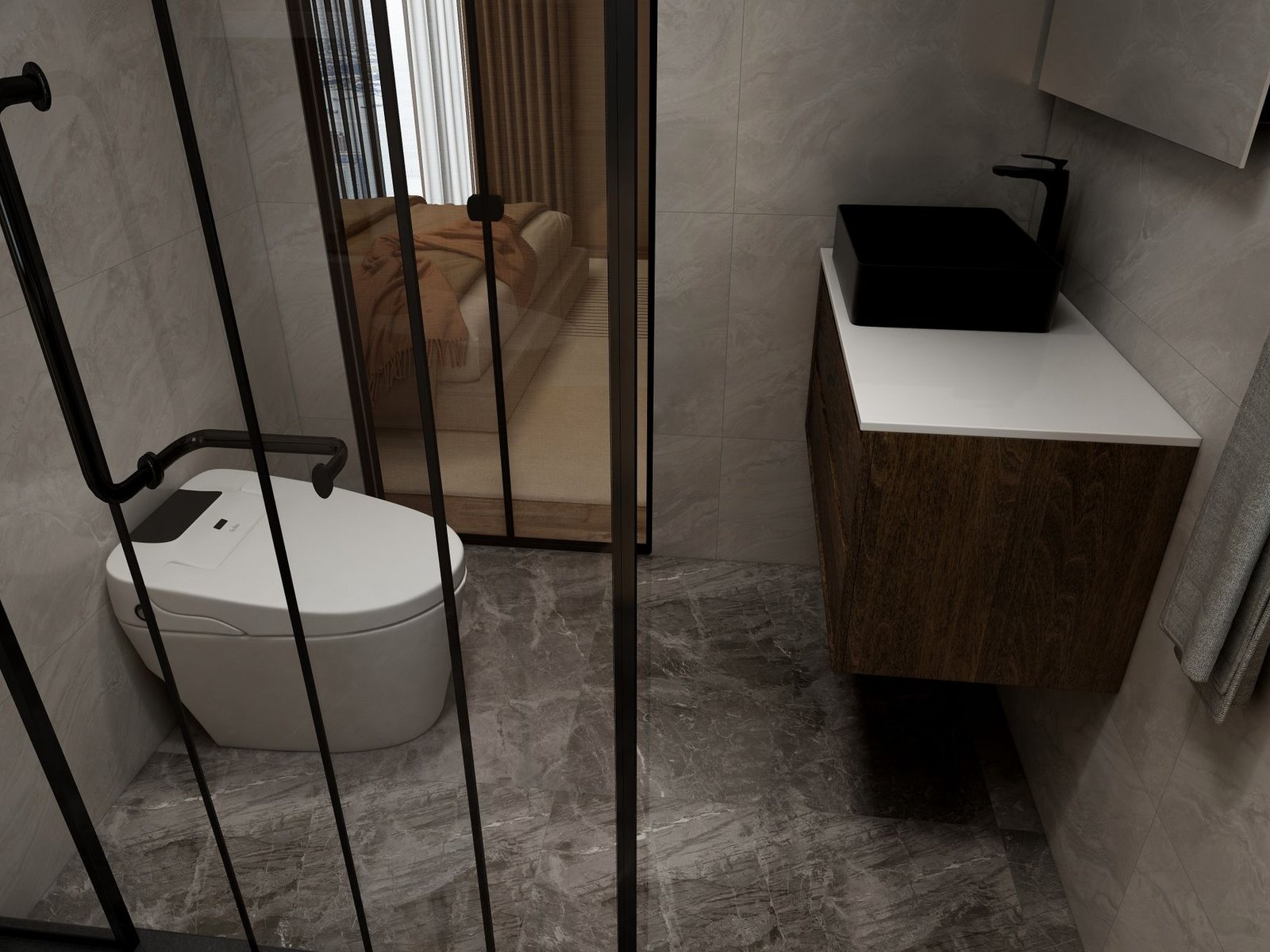
Understanding Smart Shower Systems in 2026
In 2026, the installation of a smart shower system typically ranges from $1,500 to $8,000, encompassing both the purchase price of the system and professional labor. This investment delivers a significant upgrade in domestic comfort and introduces advanced water and energy management capabilities. The precise cost is influenced by the chosen system’s features, brand, complexity of integration, and regional labor rates for skilled professionals.
Smart shower systems have evolved beyond simple digital temperature controls. In 2026, these advanced setups offer unparalleled personalization and efficiency, integrating seamlessly into the modern smart home ecosystem. They represent a significant leap in bathroom technology, providing a blend of luxury, convenience, and sustainability.
Core Functionality and Innovations for 2026
Modern smart shower systems offer a suite of sophisticated functionalities. These include precise temperature and flow control, often managed via a digital interface, voice commands, or a dedicated smartphone application. Homeowners can create personalized showering profiles, adjusting settings for different users or specific routines. For instance, a post-workout setting might include a cooler temperature and invigorating spray pattern.
Key innovations in 2026 systems involve advanced AI integration, allowing the system to learn and anticipate the resident’s preferences over time. Water usage monitoring provides valuable insights, encouraging conservation efforts. Features like instant hot water delivery, achieved through smart recirculation technology, significantly reduce wasted water while waiting for the desired temperature. Furthermore, many high-end systems are designed with ‘gray water ready’ capabilities, facilitating future integration with home water recycling solutions.
Material Developments for Longevity and Hygiene
The materials used in smart shower systems in 2026 are increasingly focused on durability, hygiene, and sustainability. Manufacturers are incorporating advanced polymers and recycled composites that offer superior corrosion resistance and longevity. Surfaces frequently feature antimicrobial coatings, such as silver ion or copper alloy treatments, which actively inhibit the growth of bacteria and mold, contributing to a healthier environment and reducing cleaning efforts.
Beyond functional aspects, aesthetic trends lean towards minimalist designs with integrated controls and premium finishes like brushed metals, matte blacks, and even custom-color options. Modular design principles are also becoming more prevalent, allowing for easier maintenance, component upgrades, and repair, thereby extending the system’s lifespan and reducing electronic waste.
Breakdown of Smart Shower System Costs
Understanding the financial commitment requires a detailed look at both the system components and the associated installation expenses.
System Components: Purchase Price Analysis
- Basic Systems ($1,000 – $2,500): These typically include a digital mixing valve, a basic control panel, and a showerhead. They offer fundamental digital temperature control and flow adjustment, often with a few preset options. Brands like Moen U and entry-level Kohler DTV models fall into this category.
- Mid-Range Systems ($2,500 – $4,500): Moving up, systems in this category introduce more advanced features such as multiple spray outlets (rain heads, body sprays), voice control compatibility (e.g., Alexa, Google Assistant), more extensive user profile customization, and basic water usage tracking. They often feature more sophisticated aesthetics and integration with broader smart home platforms.
- High-End/Luxury Systems ($4,500 – $6,000+): These premium systems offer the full spectrum of smart shower capabilities. This includes comprehensive smart home integration, AI-driven personalization, advanced hydrotherapy features (e.g., steam, chromotherapy, aromatherapy diffusion), and often a wider selection of premium finishes and custom design options. Systems with gray water readiness or integrated water purification may also sit at this higher price point.
Professional Installation Labor and Complexity
The cost of professional installation can vary significantly, generally ranging from $500 to $2,000+. Several factors influence this cost:
- Existing Plumbing and Electrical Infrastructure: A straightforward replacement of a traditional shower with a smart system in a relatively new home with accessible plumbing and electrical lines will be on the lower end. However, older homes may require significant upgrades to plumbing (e.g., pipe resizing, new hot water lines) or electrical wiring (e.g., dedicated circuits for digital valves), driving costs higher.
- Wall Modifications: Installing new digital mixing valves or additional shower components (body jets, rain heads) may require opening walls for plumbing and wiring, increasing labor and material costs for patching and finishing.
- Geographic Location: Labor rates for plumbers and electricians vary by region, with urban areas typically having higher costs than rural ones.
- System Complexity: A system with multiple outlets, advanced smart home integration, or specialized features will naturally require more time and specialized knowledge to install correctly.
Additional Costs and Considerations
- Plumbing and Electrical Upgrades: Beyond basic installation, an older home might need significant modernizing of its infrastructure, which can add hundreds or even thousands of dollars to the total.
- Smart Home Hub/Integration Fees: While many systems are self-contained or use standard protocols, some might require a dedicated hub or specific software for full functionality within a broader smart home ecosystem.
- Permits: Depending on local regulations and the scope of work (especially for significant plumbing or electrical changes), building permits may be required, incurring additional fees.
- Finishing Materials: If walls are opened, new tiling, waterproofing, and finishing materials will add to the overall project cost.
Potential Savings, ROI, and Future Trends
Investing in a smart shower system extends beyond immediate comfort, offering substantial long-term benefits in efficiency, property value, and future-proofing the home.
Energy and Water Efficiency: Long-Term Savings
Smart shower systems are inherently designed for efficiency. The precise temperature control eliminates wasted hot water often experienced while adjusting manual faucets. Water usage monitoring empowers residents to be more mindful of consumption. Features like instant hot water delivery significantly reduce the amount of water run down the drain while waiting for the desired temperature. Over time, these efficiencies can lead to noticeable reductions in both water and energy utility bills, providing a tangible return on investment that offsets a portion of the initial cost.
Enhanced Home Value and Resident Comfort
In 2026, a technologically advanced bathroom, particularly one featuring a smart shower system, is a significant selling point. It signals a modern, well-maintained home to potential buyers, potentially increasing property value and market appeal. Beyond financial returns, the daily convenience, personalization, and luxurious experience offered by these systems contribute significantly to a resident’s overall well-being and domestic comfort. The ability to customize a morning routine or relax with a specific hydrotherapy setting transforms the mundane act of showering into a personalized wellness ritual.
Emerging Technologies and Market Outlook for 2026+
The market for smart shower systems is set for continued innovation. Future trends include more widespread adoption of sustainable water management solutions, such as integrated gray water recycling systems that allow shower water to be reused for toilet flushing or irrigation. Predictive maintenance sensors will become more common, alerting the homeowner to potential leaks or system issues before they escalate, saving on costly repairs.
Further integration of AI is expected, with systems learning individual skin and hair care routines to suggest optimal water temperatures, durations, and even recommend compatible product pairings. Health monitoring, through integration with wearable devices, could see shower settings automatically adjust based on biometric data, for example, a cooler, higher-pressure shower after an intense workout. The emphasis on modular and easily upgradeable components will also grow, ensuring systems can evolve with new technologies and reducing the environmental footprint.
In conclusion, while the initial investment for a smart shower system in 2026 is noteworthy, the long-term benefits in energy and water savings, enhanced home value, and unparalleled personal comfort solidify its position as a compelling home upgrade. Careful selection and professional installation are key to maximizing the return on this modern wellness technology.