
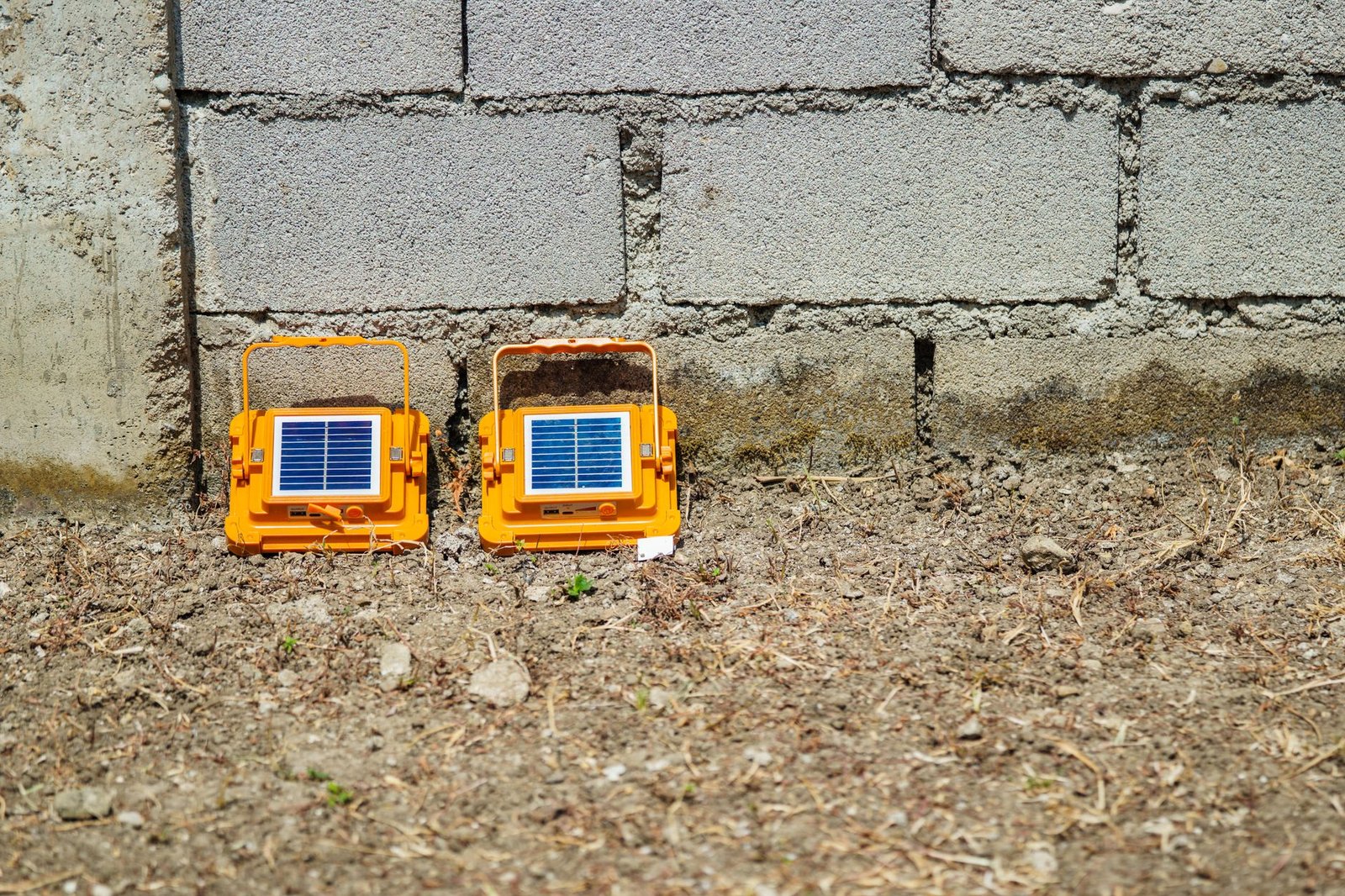
Determining the best portable power station for camping and emergencies in 2026 involves evaluating several cutting-edge features and technological advancements. As battery chemistry evolves and output capabilities expand, the ideal unit balances robust energy storage with practical portability and versatile charging options. For the current year, top contenders leverage innovations like advanced LiFePO4 cells, rapid GaN charging, and comprehensive smart connectivity, ensuring reliable power whether off-grid or during unexpected outages.
The Evolving Landscape of Portable Power in 2026
The year 2026 marks a significant period for portable power technology, driven by consumer demand for greater independence and resilience. Industry trends highlight a strong shift towards more efficient, durable, and interconnected devices. One of the most impactful developments is the widespread adoption of enhanced LiFePO4 (LFP) batteries. These cells offer superior cycle life, thermal stability, and safety compared to older lithium-ion variants, making them the standard for reliability. Furthermore, discussions around early-stage solid-state battery integration in high-end models promise even greater energy density and faster charging in the near future.
Charging infrastructure has also seen substantial upgrades. Gallium Nitride (GaN) technology is now common in the AC adapters and internal charging circuits of power stations, allowing for incredibly fast recharges without bulky external bricks. Solar charging capabilities have become more sophisticated, with advanced Maximum Power Point Tracking (MPPT) controllers that optimize input from a wider range of solar panel configurations, even in less-than-ideal conditions. Many units now feature bi-directional charging, enabling them to act as uninterruptible power supplies (UPS) for critical home devices.
Connectivity and smart features are no longer luxuries but expected functionalities. Most leading power stations now integrate Bluetooth or Wi-Fi for remote monitoring and control via dedicated apps. This allows the user to track battery levels, output wattage, and even remotely switch ports on or off, enhancing convenience during power outages or extended camping trips. Modular designs are also gaining traction, permitting the expansion of battery capacity or the addition of specialized modules for specific applications, creating a highly adaptable power ecosystem.
Key Considerations for Selection
Choosing the optimal portable power station requires a careful assessment of several crucial factors:
-
Battery Capacity and Chemistry
The watt-hour (Wh) rating indicates how much energy a unit can store. For extended camping or significant home backup, a higher Wh is essential. As mentioned, LiFePO4 (LFP) chemistry is preferred for its longevity and safety.
-
Output Ports and Wattage
A power station’s inverter capacity (rated in watts, W) determines which appliances it can run. AC pure sine wave outlets are critical for sensitive electronics. The number and type of DC outputs (USB-A, USB-C PD 100W+, 12V car ports) dictate device compatibility. Consider units with multiple high-wattage USB-C Power Delivery (PD) ports for modern laptops and fast-charging smartphones.
-
Portability and Durability
For camping, the physical size and weight are paramount. Some models feature ergonomic handles, wheels, or even backpack-friendly designs. Look for robust construction with high Ingress Protection (IP) ratings, signifying resistance to dust and water, which is vital for outdoor use.
-
Charging Speed and Options
The speed at which a power station can recharge itself is crucial. Fast AC charging, efficient solar input (ideally supporting multiple panels), and 12V car charging options provide versatility. Pass-through charging, which allows a unit to charge devices while simultaneously being recharged, is also a highly valued feature.
-
Safety Features and Warranty
Advanced Battery Management Systems (BMS) protect against overcharge, over-discharge, over-current, and short-circuits. Reputable brands offer comprehensive warranties, reflecting confidence in their product’s durability and performance.
Top Portable Power Stations for 2026
Based on 2026 market trends and user demands, several archetypes of portable power stations stand out:
-
The ‘Trailblazer 500S’ (Ultra-Portable Enthusiast)
Designed for backpackers and hikers, this model emphasizes a lightweight, compact form factor (around 5-7kg) with a solid 500-600Wh LFP battery. It integrates advanced GaN charging for a full recharge in under 90 minutes and features two 100W USB-C PD ports, a 600W pure sine wave AC output, and an IP67 rating. Its unique selling point is integrated foldable high-efficiency solar panels that can generate up to 100W, making it truly self-sufficient.
-
The ‘HomeGrid Pro 2000’ (High-Capacity Home/RV Backup)
This larger unit (2000Wh+) is built for extensive home backup or powering an RV for several days. It boasts a powerful 2000W (4000W surge) pure sine wave inverter, capable of running most household appliances. The modular design allows for additional battery packs, expanding capacity to 6000Wh or more. Smart home integration permits seamless energy management with existing residential systems, and its rapid AC charge can fully replenish the unit in just one hour.
-
The ‘VersaCharge 1200’ (Balanced All-Rounder)
Striking an excellent balance between capacity and portability, the VersaCharge 1200 (1200Wh) offers a 1500W pure sine wave output. Its LFP battery ensures a long lifespan, and it supports both fast AC charging and up to 400W of solar input. This model is lauded for its array of ports, including four 100W USB-C PD outlets, making it exceptionally versatile for powering multiple devices simultaneously, from power tools to medical equipment. A rugged composite casing ensures durability for varied environments.
Maximizing Utility: Beyond Basic Power
Beyond simply providing power, modern portable power stations offer features that significantly enhance their utility. The ability to connect directly to home transfer switches makes some models invaluable for seamless emergency power integration. Others boast expandable ecosystems, allowing for specialized modules like air compressors, external lighting arrays, or even water purification systems.
Understanding power consumption patterns is key to maximizing a unit’s effectiveness. Utilizing power-saving modes, optimizing device charging schedules, and leveraging the full potential of solar input through intelligent panel placement can significantly extend runtimes. For the individual prioritizing domestic comfort and outdoor readiness, investing in accessories such as dedicated protective cases, extra solar panels, and longer extension cables can further enhance the power station’s overall value and operational flexibility.
In 2026, a portable power station is more than just a battery; it is a critical component of a resilient lifestyle, empowering individuals to navigate both the call of the wild and the unexpected challenges of modern living with confidence. Careful consideration of capacity, output, portability, and smart features will guide the homeowner or adventurer to the ideal solution for their specific needs.