
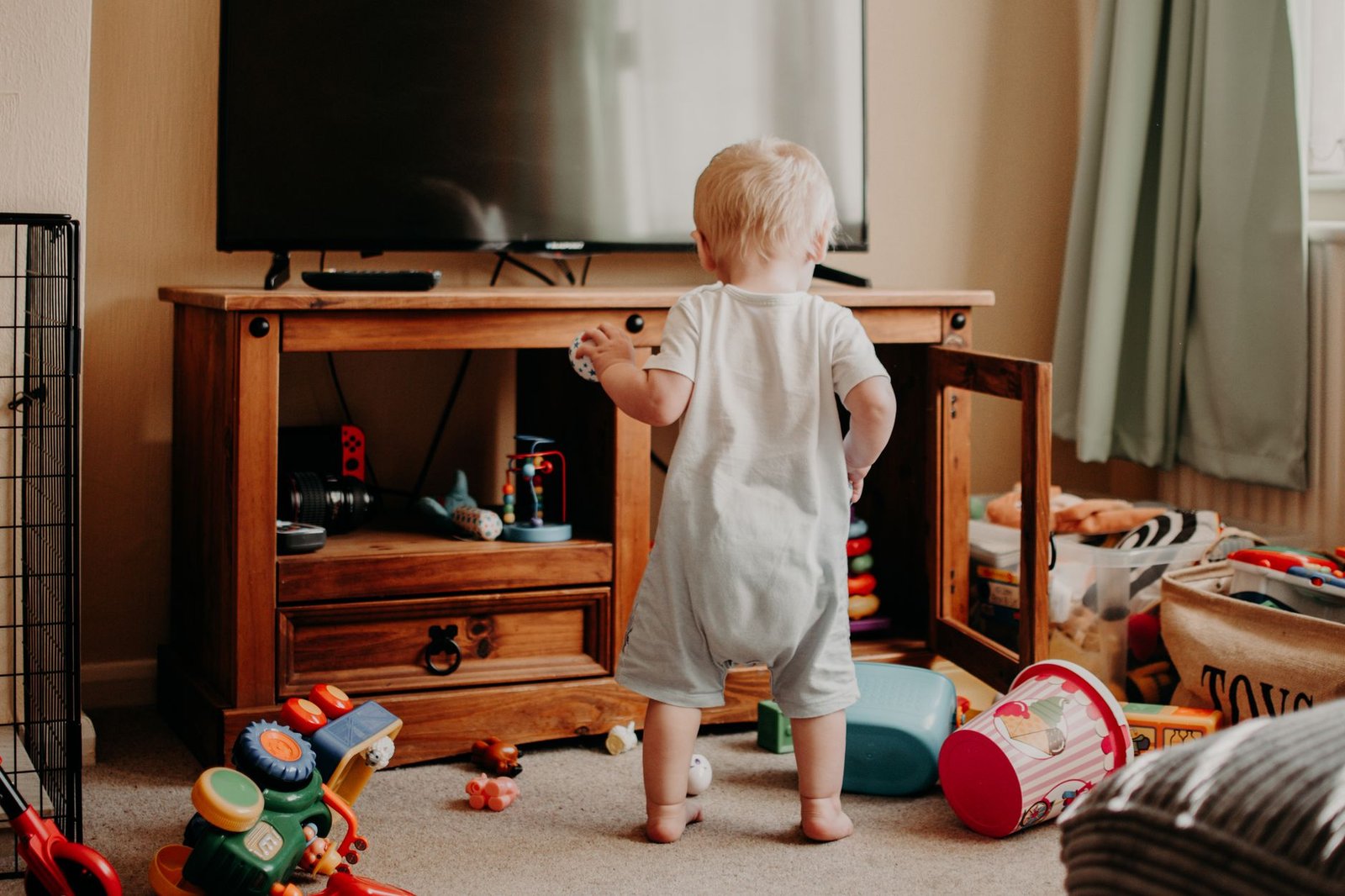
Is children’s toy clutter a persistent challenge within living spaces? Managing the accumulation of toys can indeed be overwhelming, transforming vibrant play areas into chaotic zones. Effective organization is entirely achievable with strategic planning and innovative solutions. This guide presents seven clever and innovative organization systems for 2026 designed to transform chaotic play areas into serene, functional environments, drawing on the latest material developments and design trends.
The Foundational Principles of Modern Toy Management
Before diving into specific systems, establishing a clear mindset for toy management is crucial. The goal extends beyond simply hiding clutter; it involves creating an environment that fosters independence, encourages focused play, and simplifies maintenance. In 2026, the emphasis is on sustainability, modularity, and intuitive design, ensuring systems adapt to evolving needs and promote mindful consumption. A primary step involves decluttering, where the resident assesses existing toys, keeping only those that are regularly used, developmentally appropriate, and cherished. This ‘less is more’ philosophy underpins all effective organization strategies.
1. Adaptable Modular Cubby Systems
Modular cubby systems remain a cornerstone of toy organization, but 2026 introduces significant advancements. Contemporary options feature interlocking units crafted from recycled bioplastics with integrated antimicrobial coatings or lightweight, durable bamboo composite panels. These systems offer unparalleled flexibility, allowing the homeowner to reconfigure storage as the child’s needs evolve or as play spaces change. Transparent fronts, often made from bio-PET, enable quick visual identification of contents, reducing search time and promoting independent toy selection. Look for designs that integrate seamlessly into existing furniture, often acting as bases for shelving or room dividers.
2. Maximizing Vertical Space with Wall-Mounted Solutions
Leveraging vertical space is a game-changer for smaller rooms. The 2026 trend leans towards highly customizable wall-mounted systems that are both aesthetic and functional. Options include sleek, low-profile floating shelves made from reclaimed wood or composite materials, and advanced pegboard systems. Modern pegboards utilize specialized attachments for bins, hooks, and small shelves, some even incorporating smart sensors that alert the resident if a designated item is missing. Fabric wall organizers crafted from durable, washable recycled textiles provide soft storage for plush toys, keeping them off the floor while adding textural interest.
3. Integrated Furniture with Hidden Storage
Multi-functional furniture is paramount in contemporary home design, and 2026 sees sophisticated integration of toy storage into everyday pieces. This includes ottomans with generous internal compartments upholstered in stain-resistant, eco-friendly fabrics, and bench seating with pull-out drawers on smooth, silent glides. Beds designed for children frequently incorporate spacious under-bed drawers or built-in shelving, discreetly housing toys without encroaching on play areas. The key here is discreet integration, ensuring storage solutions blend seamlessly into the room’s aesthetic, maintaining a sense of calm and order.
4. Categorized Drawer Dividers and Labeled Bins
Effective internal organization within drawers and larger storage units is critical. The 2026 approach emphasizes clear categorization and easy accessibility. Durable, interlocking drawer dividers made from recycled silicone or adjustable bamboo inserts help separate small items like blocks, figurines, or craft supplies. Storage bins, often stackable and available in various sizes, are now frequently made from transparent, BPA-free bio-plastics or organic cotton canvas with reinforced bases. Clear, aesthetically pleasing labels (e.g., minimalist pictograms for pre-readers) are essential, enabling both the child and the resident to return items to their designated places, fostering independence and tidiness.
5. Dedicated Activity Zones and Pack-Away Play Mats
Defining specific zones for different types of play can significantly reduce clutter migration. A rug or a modular flooring system can delineate a building area, while a small table and chairs might mark an art zone. For mobile toys or items used across multiple rooms, 2026 offers innovative pack-away solutions. These include convertible playmats that transform into drawstring storage bags, perfect for swiftly gathering scattered small toys. This system promotes focused play within a designated area and simplifies the clean-up process, making tidying a quick and efficient task.
6. Digital Inventory and Smart Labeling Systems
While physical storage is key, the digital age offers tools to manage toy inventory. For larger collections, 2026 introduces simple companion apps that allow the resident to photograph and categorize toys, noting their location. Paired with QR code or NFC-enabled smart labels on bins, these systems offer a quick scan to reveal contents, purchase date, or even suggested age ranges. This digital layer helps track items, manage donations, and prevent duplicate purchases, making toy management more streamlined and efficient for the discerning homeowner.