
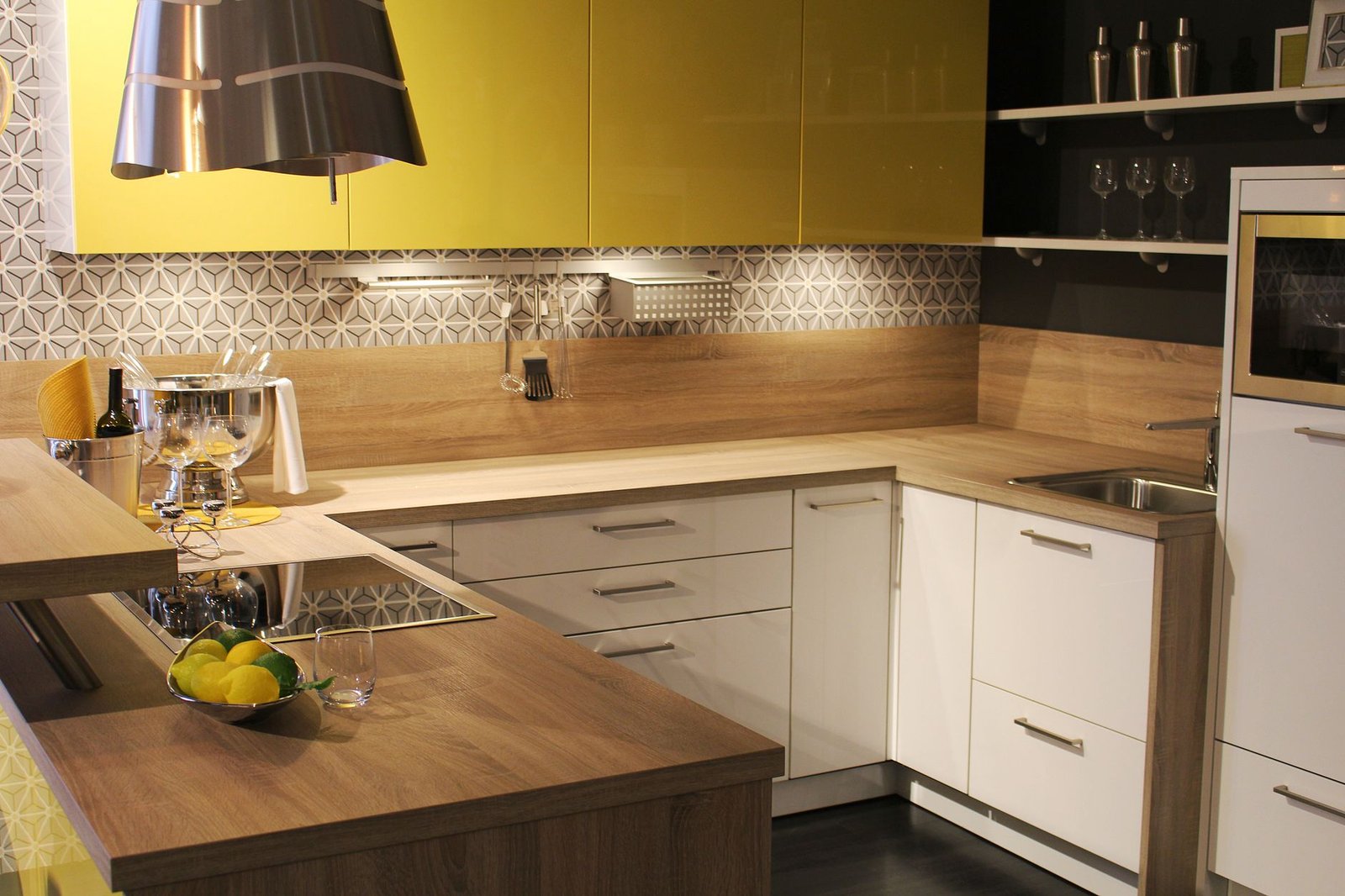
When planning a modern kitchen in 2026, one of the most significant decisions impacting both aesthetics and functionality is the choice between open shelving and closed cabinets. Neither option is universally superior; the ideal selection depends entirely on the homeowner’s lifestyle, design preferences, maintenance tolerance, and specific storage needs. This guide delves into the pros and cons of each, incorporating current industry trends and material developments to assist in making an informed decision for optimal kitchen organization.
The Allure of Open Shelving in 2026
Open shelving continues to be a popular design element in 2026, favored for its ability to create a light, airy feel and showcase curated collections. It transcends mere storage, acting as a canvas for personal expression within the kitchen.
Aesthetics and Design Trends
- Visual Lightness: Open shelves prevent a kitchen from feeling heavy or enclosed, particularly beneficial in smaller spaces or kitchens with limited natural light. This contributes to a more expansive, inviting atmosphere.
- Display Potential: For homeowners with aesthetically pleasing dishware, glassware, or decorative objects, open shelving offers an opportunity for a styled display. This aligns with 2026 trends focusing on personalized interiors and artisanal craftsmanship.
- Seamless Integration: Modern open shelving often features sleek profiles and integrated, discreet smart lighting. Think thin LED strips embedded into the underside of shelves, offering both task lighting and ambient glow, often controllable via smart home systems.
- Material Innovation: Beyond traditional wood, 2026 sees continued growth in sustainable materials like reclaimed timber, bamboo composites, and lightweight, high-strength recycled aluminum for brackets. Frosted or ribbed glass shelving also gains traction, offering a semi-transparent look that adds texture while subtly obscuring contents.
Practicality and Accessibility
- Immediate Access: Items are visible and within easy reach, making open shelves ideal for frequently used dishes, spices, or cooking essentials. This can streamline cooking processes for the resident.
- Visual Inventory: A quick glance reveals what is available and what needs replenishment, potentially reducing duplicate purchases.
- Versatility: Modular open shelving systems are trending in 2026, allowing residents to reconfigure layouts or add components as needs evolve.
Maintenance Considerations
- Dust and Grease Accumulation: The primary drawback of open shelving is its exposure to dust, cooking fumes, and grease, necessitating more frequent cleaning of both the shelves and their contents. This requires consistent upkeep from the homeowner.
- Requires Constant Tidiness: For open shelving to look its best, items must be neatly arranged and consistently maintained. Clutter can quickly detract from the intended aesthetic, demanding careful curation.
The Enduring Practicality of Closed Cabinets
Closed cabinets remain the workhorse of kitchen storage, valued for their superior ability to conceal clutter and protect contents. In 2026, they have evolved with smart features and advanced materials, solidifying their role as indispensable kitchen components.
Functionality and Organization
- Clutter Concealment: Closed cabinets offer a clear advantage in hiding items that are not aesthetically pleasing or are only used occasionally. This contributes to a visually clean and serene kitchen environment.
- Protection from Elements: Contents are shielded from dust, grease, and sunlight, preserving their condition and reducing cleaning frequency for the resident.
- Optimized Storage Solutions: 2026 cabinet systems boast advanced interior organization, including pull-out pantries, deep drawers with customizable dividers, corner solutions like ‘magic corners,’ and integrated recycling centers. Smart features such as voice-activated opening mechanisms and internal sensor-driven inventory tracking are also emerging in high-end designs.
- Noise Reduction: Advanced soft-close hinges and drawer slides, often with magnetic dampening, minimize noise, contributing to a quieter domestic environment.
Aesthetics and Design Trends
- Sleek and Seamless: Closed cabinets create a streamlined, minimalist aesthetic, popular in contemporary and European-inspired kitchen designs. Handleless options, such as push-to-open mechanisms or integrated finger pulls, are prevalent, contributing to ultra-clean lines.
- Material Innovations: Beyond traditional wood, 2026 features advanced laminates and veneers that convincingly mimic natural stone, exotic woods, or even concrete, often with enhanced durability and anti-fingerprint matte finishes. Sustainable engineered wood products with low-VOC (Volatile Organic Compound) finishes are standard, meeting growing environmental consciousness. Anti-microbial surfaces are also becoming more common in cabinet finishes.
- Color and Texture Play: While a monolithic look is popular, residents are also experimenting with bold, sophisticated color palettes for cabinets, often combining different textures or finishes between upper and lower units.
Maintenance Considerations
- Less Frequent Cleaning: External surfaces require regular wiping, but the interior contents are largely protected, reducing the need for constant organization and cleaning compared to open shelves.
- Accessibility: While highly organized, accessing items requires opening doors or pulling out drawers, which is a minor additional step compared to open shelving.
Balancing Both: Hybrid Solutions and 2026 Trends
For many residents, the optimal solution lies in a thoughtful combination of open shelving and closed cabinets. This hybrid approach allows for the best of both worlds, addressing diverse needs within the same kitchen space.
Strategic Integration
- Display and Concealment: Open shelves can be strategically placed to showcase decorative items, cookbooks, or frequently used beautiful ceramics, while closed cabinets handle bulkier, less attractive, or less frequently accessed items.
- Zones: Consider creating distinct zones. A coffee station might feature open shelves for mugs and beans, while cooking ingredients are stored in closed pantry cabinets.
- Glass-Front Cabinets: As a sophisticated middle ground, glass-front cabinets offer a degree of display while protecting contents from dust. In 2026, smart glass technology is emerging, allowing the homeowner to switch between transparent and opaque with the touch of a button or a voice command, offering ultimate flexibility.
Personalization and Customization in 2026
The trend for 2026 leans heavily into highly personalized kitchen designs. Homeowners are increasingly opting for custom-built cabinetry and shelving systems that precisely meet their spatial and organizational demands. This includes:
- Modular Systems: Allowing for easy reconfiguration and expansion.
- Integrated Lighting: Beyond shelves, cabinet interiors are also incorporating sensor-activated LED lighting.
- Smart Organization: Custom drawer inserts, vertical dividers, and appliance garages are standard in modern custom kitchens.
Making the Right Choice for the Modern Kitchen
Ultimately, the decision between open shelving, closed cabinets, or a hybrid approach for a 2026 kitchen hinges on a clear understanding of the homeowner’s priorities. If a light, airy aesthetic and constant access to curated items are paramount, and the resident is committed to regular tidiness, open shelving can be a striking choice. Conversely, if maximum clutter concealment, superior protection, and minimal visual maintenance are priorities, closed cabinets are the preferred option.
For many, a judicious blend offers the most balanced and functional solution. By carefully considering the specific areas of the kitchen and the type of items to be stored, alongside the latest 2026 material advancements and smart technologies, residents can design a kitchen that is both beautiful and exceptionally organized.