
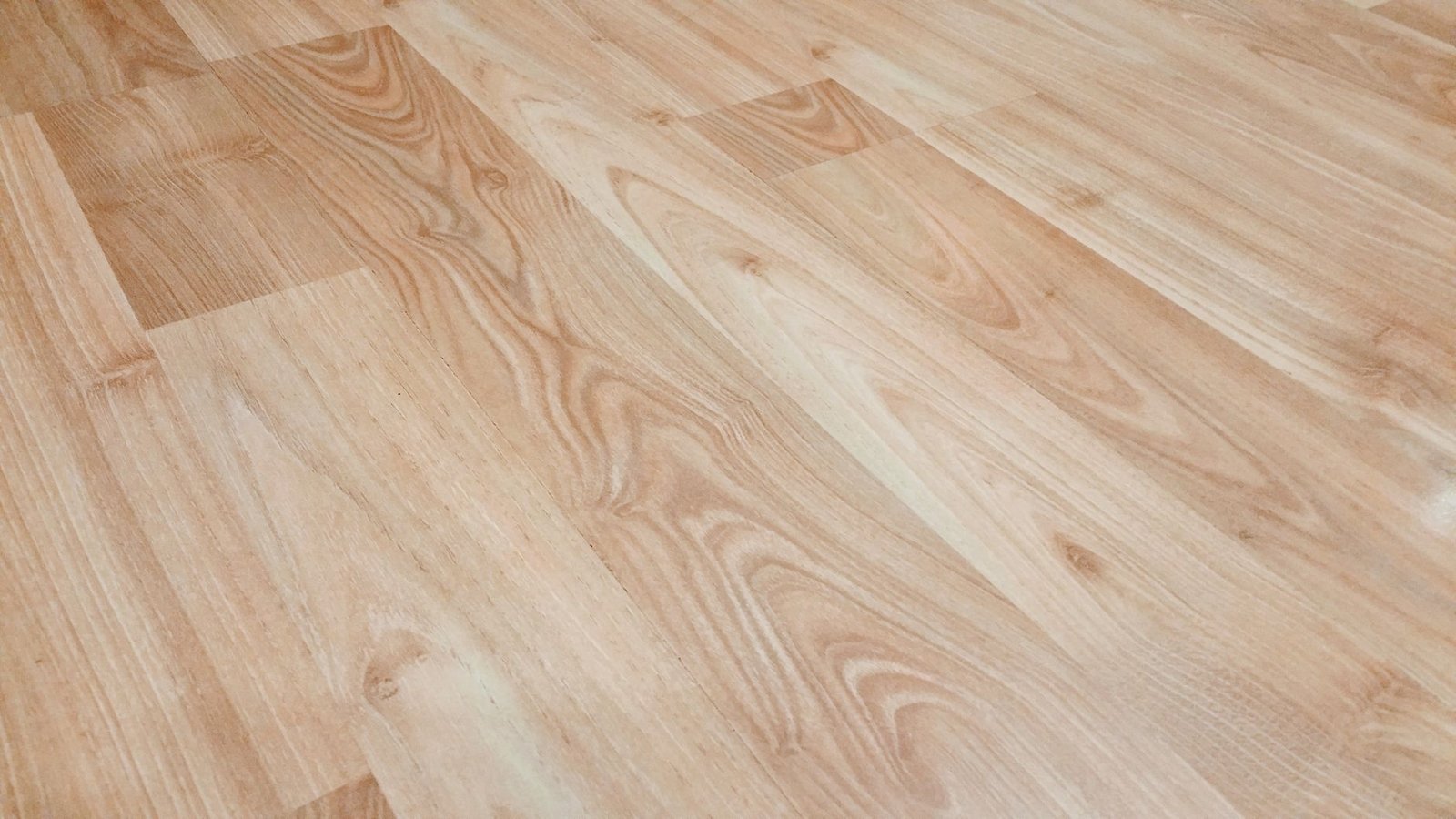
For homeowners preparing to list properties in 2026, the flooring choice represents a significant investment with direct implications for resale value. The decision between luxury vinyl plank (LVP) and engineered hardwood frequently arises, and in evaluating which offers a superior return, engineered hardwood generally holds the edge for perceived long-term value. However, modern LVP advancements have carved out a substantial niche, making the optimal choice highly dependent on the property’s specific context and target market.
Understanding the nuances of each material, coupled with prevailing market trends in 2026, is crucial for maximizing a property’s appeal and financial return. While both options present compelling features, their impact on buyer perception and final sale price can differ considerably.
Understanding Luxury Vinyl Plank (LVP) in 2026
Luxury Vinyl Plank has undergone substantial evolution, firmly establishing itself as a formidable contender in the flooring market. By 2026, LVP boasts unparalleled advancements in aesthetic realism and durability, making it a highly practical choice for many residences.
Aesthetic Advancements and Design Trends
- Hyper-Realistic Textures: Modern LVP planks feature sophisticated embossing techniques that replicate the grain, knots, and imperfections of real wood with astonishing accuracy. Photo-realistic imaging combined with synchronized embossing (EIR) creates a tactile and visual experience that can be difficult to distinguish from genuine timber.
- Wider and Longer Planks: Reflecting a broader design trend, LVP is readily available in expansive dimensions, mimicking the popular large-format hardwood planks seen in high-end homes, contributing to a more luxurious and spacious feel.
- Diverse Finishes: From matte to low-sheen options, 2026 LVP offers a range of finishes that align with contemporary interior design preferences, often mimicking oil-finished or wire-brushed hardwood.
Durability and Practicality for Modern Living
The inherent strengths of LVP remain its core selling points for homeowners. In 2026, LVP is celebrated for:
- 100% Waterproof Core: This characteristic makes LVP an ideal solution for kitchens, bathrooms, basements, and homes prone to spills or humidity. Its imperviousness to water damage is a significant advantage over wood products.
- Exceptional Wear Layer: Advanced wear layers provide superior resistance to scratches, dents, and scuffs, making LVP highly suitable for high-traffic areas, households with children, and pet owners.
- Low Maintenance: Simple cleaning routines involving sweeping and occasional damp mopping are typically all that is required to maintain LVP’s appearance.
From a resale perspective, high-quality, well-installed LVP can be a strong asset, particularly in homes where buyers prioritize practicality, longevity, and ease of care. It appeals greatly to families and individuals with active lifestyles.
Understanding Engineered Hardwood in 2026
Engineered hardwood continues to be a premium flooring choice, revered for its authentic beauty and a perception of enduring value. Its construction, featuring a real wood veneer over a multi-ply core, offers a blend of classic aesthetics and enhanced stability compared to solid hardwood.
Authenticity and Timeless Appeal
The primary draw of engineered hardwood lies in its genuine wood surface. This provides:
- Natural Variation: Each plank showcases the unique character, grain patterns, and inherent beauty of natural wood, contributing to a warm, inviting, and sophisticated ambiance.
- Refinishing Potential: Depending on the thickness of the top veneer layer, engineered hardwood can be refinished multiple times throughout its lifespan, allowing for renewal and adaptation to future design trends.
- Broad Species and Finish Selection: Homeowners can select from a vast array of wood species (e.g., oak, maple, walnut), stains, and finishes (e.g., matte, semi-gloss, wire-brushed, hand-scraped), offering extensive customization to match any interior style.
Performance and Investment Considerations
While celebrated for its beauty, engineered hardwood also offers practical advantages:
- Dimensional Stability: The layered construction provides greater resistance to temperature and humidity fluctuations than solid hardwood, making it suitable for a wider range of environments, including basements and over radiant heating systems.
- Longevity: With proper care, engineered hardwood can last for decades, often outperforming less durable flooring options.
- Perceived Value: Engineered hardwood is almost universally seen as an upgrade and a luxury material, which directly translates to a higher perceived value for the property.
In 2026, sustainable sourcing and certification (e.g., FSC certified) are increasingly important to eco-conscious buyers, and many engineered hardwood manufacturers prominently feature these credentials.
Resale Value Impact: LVP vs. Engineered Hardwood
When considering resale value for 2026, the distinction between LVP and engineered hardwood becomes clear, though not entirely black and white. The impact is heavily influenced by the property’s value tier and the target buyer demographic.
Perceived Value and Investment Return
- Engineered Hardwood: Generally, engineered hardwood carries a higher perceived value. Buyers often associate genuine wood flooring with quality craftsmanship, luxury, and a sound investment. Properties featuring engineered hardwood typically command higher asking prices and can contribute to a quicker sale, especially in mid-to-high-end markets. The aesthetic warmth and natural characteristics of wood are often non-negotiable for discerning buyers.
- Luxury Vinyl Plank: While advanced LVP offers impressive aesthetics and superior practicality, it is generally perceived as a practical, durable, and cost-effective alternative rather than a luxury upgrade akin to real wood. In entry-level to mid-range homes, high-quality LVP can significantly elevate a property’s appeal compared to carpet or older laminates. However, in higher-value homes, LVP might be viewed as a compromise, potentially deterring buyers seeking premium finishes.
Cost vs. Value Proposition
The upfront cost of LVP is significantly lower than engineered hardwood, both for material and installation. While this saves the homeowner money initially, the return on investment (ROI) can vary. Engineered hardwood, despite its higher initial outlay, often yields a stronger ROI, as its presence directly justifies a higher property valuation in the eyes of many buyers.
Factors Influencing Buyer Perception in 2026
Beyond the material itself, several factors can sway buyer perception and, consequently, resale value in 2026:
- Property Price Point: In a luxury home, engineered hardwood is an expectation. Installing LVP in such a property might be seen as cutting corners. In a starter or mid-market home, LVP can be a massive selling point, offering durability and style where buyers might otherwise expect carpet.
- Overall Design Cohesion: Regardless of material, the flooring should complement the home’s overall aesthetic and other finishes. A poorly chosen or installed flooring material, whether LVP or engineered hardwood, will detract from value.
- Maintenance and Condition: Pristine, well-maintained flooring, regardless of type, speaks volumes. Scratched LVP or neglected engineered hardwood will negatively impact perceived value.
- Regional Market Preferences: Local real estate markets can have strong preferences. Consulting with local real estate professionals in 2026 can provide insights into what buyers in a specific area value most.
- Sustainability and Health: Increasing buyer awareness regarding sustainable materials and indoor air quality (low VOCs) means that certifications for either LVP or engineered hardwood can be a significant positive.
Strategic Flooring Choices for 2026
The optimal flooring decision for maximizing resale value in 2026 is a strategic one, requiring careful consideration of the property’s unique characteristics and target audience.
Aligning Flooring with Property Identity
- High-Value Properties: For homes aiming for a premium market segment, engineered hardwood is the unequivocal choice. Its authentic beauty, luxurious feel, and potential for refinishing align with buyer expectations in this tier.
- Mid-Range and Starter Homes: For these markets, high-quality LVP can be an excellent investment. The practicality, durability, and enhanced aesthetics of modern LVP appeal strongly to buyers prioritizing ease of living and budget-consciousness. It offers a significant upgrade over older, less appealing flooring options without the higher cost of real wood.
- Specialized Needs: In properties targeting specific demographics, such as families with young children or pet owners, the waterproof and scratch-resistant attributes of LVP can be a powerful selling point, sometimes even outweighing the appeal of real wood.
Consistency and Professional Installation
Regardless of the material chosen, consistency in flooring throughout main living areas enhances the property’s flow and perceived size. Furthermore, professional installation is paramount. Even the highest quality materials will underperform and detract from value if installed poorly.
In 2026, engineered hardwood generally provides a superior contribution to resale value due to its enduring appeal and inherent luxurious perception. However, the remarkable advancements in LVP mean that for specific property types and target markets, it offers an incredibly strong practical and aesthetic solution, potentially yielding an excellent return when strategically implemented. The homeowner’s final decision should be a thoughtful balance of budget, aesthetic goals, and a keen understanding of their target buyer.