
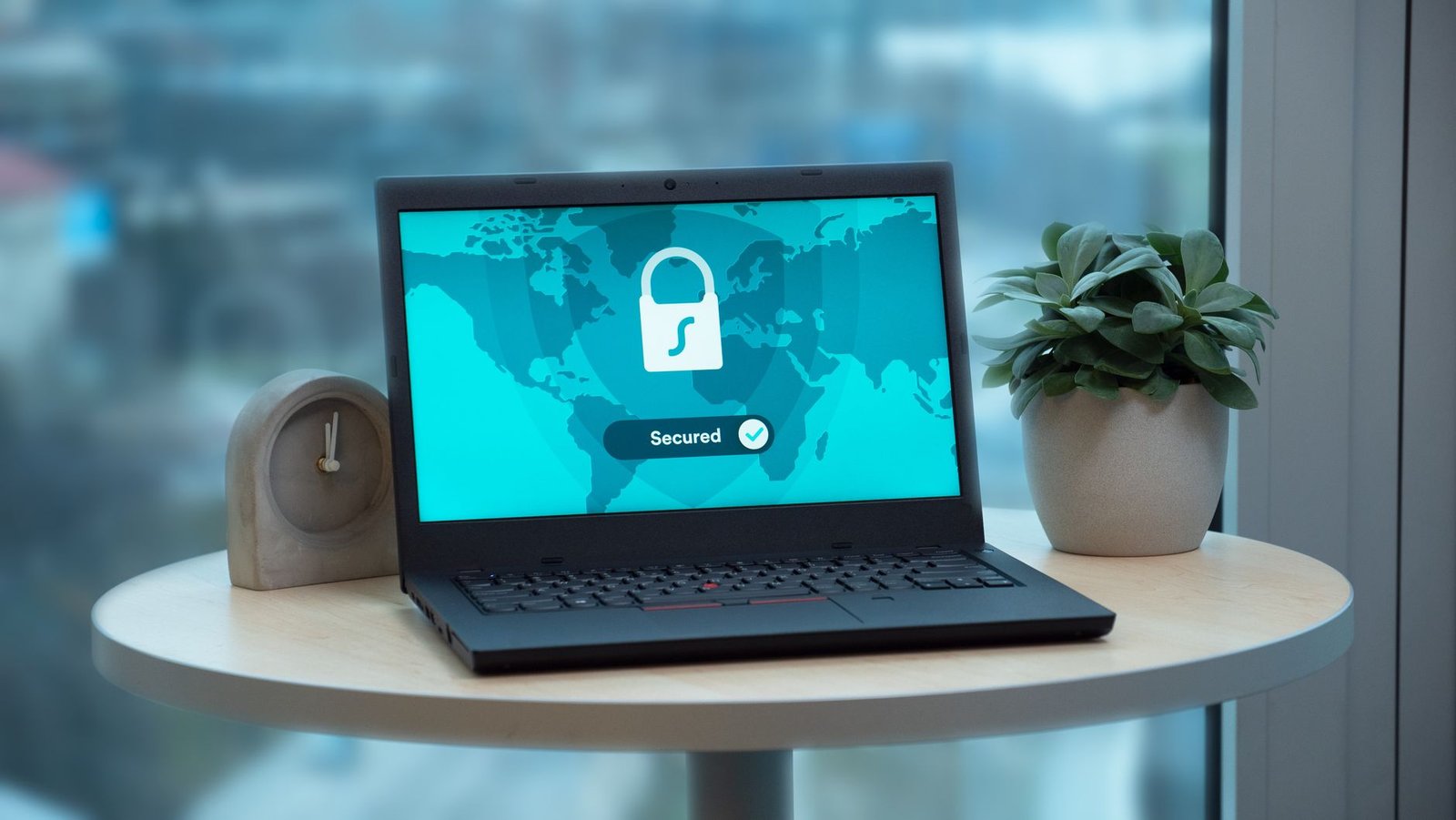
In 2026, the smart home has become an integral part of modern living, offering unparalleled convenience and efficiency. However, with increasing connectivity comes the persistent threat of cyber vulnerabilities. When smart home devices are compromised, the implications can range from data breaches and privacy invasions to direct security risks for the resident.
Ensuring robust cyber security for interconnected household technologies is paramount. This article outlines five critical steps homeowners can take to significantly enhance the digital defenses of their smart living spaces against the evolving threat landscape by 2026.
Understanding the Evolving Threat Landscape in 2026
The cyber security challenges facing smart homes in 2026 are more sophisticated than ever. Attackers are leveraging advanced artificial intelligence (AI) to craft highly targeted phishing campaigns, exploit zero-day vulnerabilities in device firmware, and orchestrate complex distributed denial-of-service (DDoS) attacks against home networks. The proliferation of inexpensive, feature-rich smart devices has also expanded the attack surface, with many products rushing to market without adequate security-by-design principles.
Supply chain vulnerabilities have become a significant concern, where malicious code or hardware components can be introduced long before a device reaches the consumer. Furthermore, the sheer volume of personal data collected by smart thermostats, cameras, voice assistants, and health monitors makes these systems prime targets for data harvesting, with potential ramifications for privacy and identity theft. As quantum computing research progresses, discussions around future-proofing current encryption standards against quantum attacks are also beginning to emerge, though practical threats remain nascent for most consumer applications.
Five Steps to Proactive Smart Home Cyber Security
-
Reinforce Network Foundations
The home network serves as the digital gateway for all smart devices, making its security foundational. Residents should ensure the home router utilizes WPA3 encryption, which is the current industry standard offering stronger authentication and individual data encryption. Network segmentation is also highly recommended; establishing a separate guest network for smart devices, particularly those with less stringent security protocols, can contain potential breaches and prevent attackers from gaining access to more sensitive personal computers and files. Regularly changing the router’s default administrator credentials to strong, unique passwords is a non-negotiable practice.
-
Regular Device Audits and Updates
Smart devices, like any software-driven technology, require diligent maintenance. A comprehensive audit of all connected devices should be performed periodically to identify outdated or unsupported hardware that may no longer receive security patches. Crucially, firmware and software updates must be installed promptly. Many manufacturers in 2026 offer automated update protocols, which should be enabled whenever possible. Reviewing device permissions and disabling unnecessary features or data collection settings can also minimize exposure points, limiting what information a device can access or transmit.
-
Implement Advanced Authentication
Strong authentication is a critical barrier against unauthorized access. Multi-factor authentication (MFA) should be enabled on all smart home apps and services that support it, adding an extra layer of security beyond just a password. This often involves a secondary verification step, such as a code sent to a mobile device or a biometric scan. Furthermore, as biometric security continues to evolve, features like integrated facial recognition for smart locks or fingerprint scanners for secure smart home control panels offer advanced protection, moving towards a future where passwordless authentication becomes more commonplace and secure for the homeowner.
-
Leverage AI-Powered Security Solutions
The advent of sophisticated AI has brought both new threats and powerful defenses. Homeowners can benefit from AI-driven security solutions that monitor network traffic for anomalies, detect unusual device behavior, and flag potential cyber threats in real-time. Integrated smart home security platforms are increasingly incorporating these AI capabilities, offering comprehensive threat intelligence and automated responses. These systems can learn the normal operational patterns of a household’s devices and alert the resident to anything outside of the established baseline, providing proactive protection against emerging attack vectors.
-
Prioritize Data Privacy and Consent
Beyond preventing direct hacks, residents must also be vigilant about data privacy. Understanding what data smart devices collect, how it is used, and with whom it is shared is essential. Reviewing privacy policies, opting out of non-essential data sharing, and utilizing privacy-focused device settings are important steps. Many smart devices provide granular controls over data collection, allowing the resident to minimize their digital footprint. As data regulations tighten globally in 2026, greater transparency and control over personal data are becoming standard expectations from device manufacturers.
Future-Proofing Smart Home Defenses
Looking ahead, the landscape of smart home security continues to evolve rapidly. The industry is beginning to explore the implementation of quantum-resistant cryptography in anticipation of future computational advancements that could undermine current encryption standards. Blockchain technology is also being investigated for creating immutable device identities and secure communication channels, enhancing trust and preventing device spoofing.
The adoption of zero-trust architectures, where no device or user is inherently trusted inside or outside the network perimeter, is gaining traction even in consumer settings, offering a more granular and robust security model. Material developments are contributing as well, with secure hardware enclaves becoming a standard feature in high-end smart devices, providing a dedicated, isolated environment for sensitive data and cryptographic keys. Ultimately, a multi-layered approach combining technological solutions with continuous user education and vigilance remains the most effective strategy for maintaining a secure and private smart home experience in 2026 and beyond.