
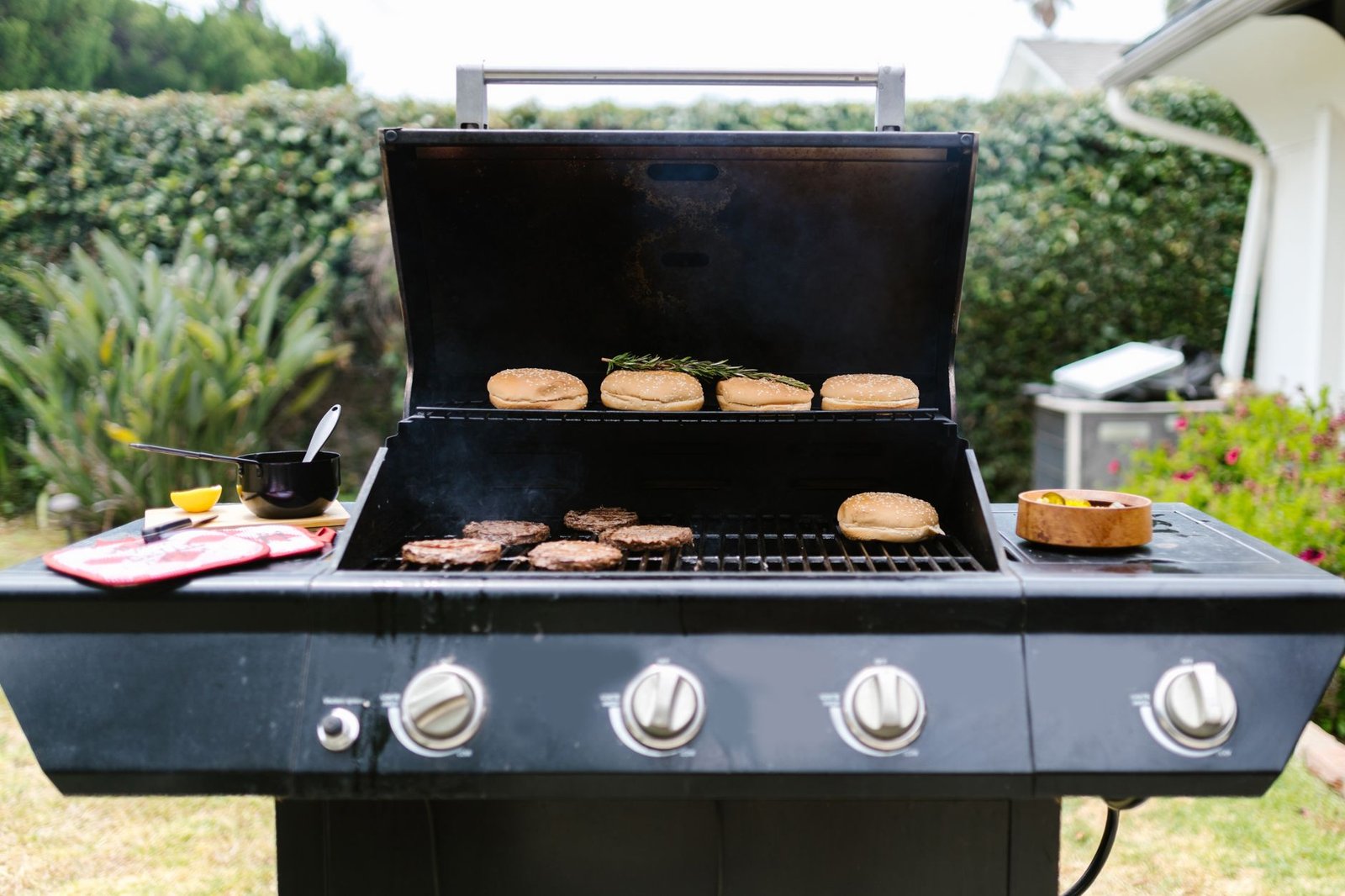
For homeowners and residents navigating the compact outdoor spaces of 2026, such as small balconies and patios, the choice between a gas grill and an electric grill is a pivotal decision. While gas grills traditionally offer a distinct char and high-heat performance, their suitability is increasingly challenged by stringent safety regulations and space constraints. Electric grills, on the other hand, have seen significant technological advancements, making them a highly attractive, often safer, and more convenient option for urban outdoor living.
The Evolving Landscape of Balcony Grilling in 2026
Urbanization continues to shape domestic comfort, with an increasing number of residents residing in apartments, condominiums, and townhouses featuring modest outdoor areas. This trend has profoundly impacted the outdoor cooking appliance market. In 2026, the emphasis is firmly on efficiency, safety, and smart integration. Fire safety regulations, often enforced by homeowners’ associations (HOAs) and local municipalities, have become more restrictive regarding open flames and fuel storage in confined spaces, pushing many toward alternative grilling solutions.
Material science and smart technology are also playing significant roles. Modern grills, regardless of fuel type, often incorporate advanced composites, weather-resistant polymers, and integrated digital controls, enhancing durability and user experience. Sustainability is a growing consideration, with manufacturers exploring recycled materials and energy-efficient designs.
Gas Grills: Performance, Practicality, and Considerations for Compact Spaces
Performance and Flavor Profile
Traditionalists often advocate for gas grills due to their ability to achieve intense heat and impart a distinctive smoky flavor profile, a result of fats vaporizing on hot surfaces. Modern gas grills for small spaces in 2026 feature highly efficient burner systems, often constructed from advanced stainless steel or even ceramic-infused alloys, which ensure rapid pre-heating and consistent temperature distribution. Integrated smart technology now allows for precise BTU monitoring and temperature control via mobile applications, offering a level of precision previously uncommon in compact units. Grates made from graphene-enhanced cast iron or ceramic-coated composites provide superior heat retention and non-stick properties, improving searing capabilities.
Safety and Regulatory Compliance (2026 Context)
The primary hurdle for gas grills in small outdoor spaces remains the storage and use of propane tanks. These tanks pose a fire hazard if not handled and stored correctly, leading many HOAs and building management entities to restrict or outright prohibit them. While natural gas grills eliminate the need for tanks, they require a dedicated gas line, which is rarely a feasible or cost-effective retrofit for existing balconies or patios. Adequate ventilation is also a critical safety concern, necessitating open air circulation to prevent carbon monoxide buildup and dissipate heat effectively.
Space Requirements and Portability
Even compact gas grills demand a significant footprint, not only for the grill unit itself but also for the required clearance from walls, railings, and overhead structures, as well as space for the propane tank. While many manufacturers offer foldable side tables and sleek, minimalist designs, the overall physical presence and safety buffer can quickly overwhelm a small balcony. Portability is also a consideration; moving a gas grill, especially with an attached propane tank, is less convenient than relocating an electric unit.
Electric Grills: Innovation, Convenience, and Urban Suitability for 2026
Performance and Emerging Technology
Electric grills have undergone a significant transformation, moving beyond basic contact grills to sophisticated outdoor cooking appliances. In 2026, high-performance heating elements, often utilizing infrared technology, deliver rapid and consistent heat distribution, enabling impressive searing capabilities comparable to many gas models. Integrated smoke boxes, allowing for the addition of wood chips or pellets, now effectively replicate smoky flavors without an open flame. Advanced digital controls, often accessible via touchscreens or smart home integration, provide precise temperature management. Many models feature self-cleaning cycles and durable, easy-to-clean grates with advanced non-stick coatings, making maintenance simple. Power efficiency has also improved, with some models incorporating adaptive heating algorithms.
Safety and Operational Ease
The absence of an open flame and fuel tanks makes electric grills inherently safer for small, enclosed outdoor spaces. This characteristic often allows them to bypass many of the fire safety regulations that restrict gas grills, making them the only viable option for numerous apartment and condo residents. The operational simplicity—plugging into a standard outdoor outlet—offers unparalleled convenience. Modern electric grills prioritize thermal efficiency and cool-touch exteriors, further enhancing safety during use, particularly in tight quarters. Many new models in 2026 feature UV-resistant, recycled polymer casings and advanced internal insulation for enhanced outdoor longevity and sustained performance.
Space Efficiency and Versatility
Electric grills excel in space efficiency. Available in tabletop, pedestal, and even built-in configurations, their compact designs and lack of external fuel tanks allow for minimal footprints. Many models are light enough to be easily moved and stored when not in use, freeing up valuable balcony space. Some advanced electric grills are even rated for indoor use, offering exceptional versatility for the homeowner who desires grilling capabilities year-round, regardless of weather conditions.
Key Deciding Factors for the Homeowner
Regulatory Environment
Before any purchase, the resident must consult local building codes, HOA regulations, and landlord policies. These often dictate the permissible type of grill, particularly for propane or natural gas units, due to fire safety concerns. Electric grills frequently present fewer regulatory hurdles, often being the only approved option for small balconies and patios.
Desired Grilling Experience
The homeowner’s preference for a traditional grilling experience, characterized by specific char marks and smoky nuances, might lean towards gas. However, modern electric grills with advanced searing capabilities and smoke infusion features can satisfy many seeking a high-quality outdoor cooking result. The convenience of electric grilling, with quick setup and minimal cleanup, is a significant advantage for those prioritizing ease of use.
Available Space and Storage
A thorough assessment of the actual physical space, including required safety clearances, is crucial. For truly confined areas, the compact nature and lack of external fuel storage requirements for electric grills often make them the practical choice. Gas grills, even smaller models, require space for the unit and a propane tank, which can be cumbersome in limited quarters.
Budget and Long-Term Value
Initial purchase costs for both types of grills vary widely based on features and brand. Gas grills incur ongoing costs for propane tank refills or natural gas usage. Electric grills have electricity consumption costs, which are generally minimal for occasional use. The durability of modern materials and smart features contribute to the long-term value proposition of either appliance.
Conclusion
In 2026, for those with small balconies and patios, the debate between gas and electric grills is largely influenced by safety regulations, space constraints, and continuous technological innovation. While gas grills retain their appeal for traditionalists, their practical application in confined urban settings is increasingly restricted. Electric grills, with their advanced performance, enhanced safety features, remarkable convenience, and efficient use of space, emerge as a compelling and often superior solution for the modern homeowner seeking a high-quality outdoor grilling experience in a compact environment. Ultimately, the optimal choice hinges on individual priorities and, critically, adherence to local and building-specific regulations.