
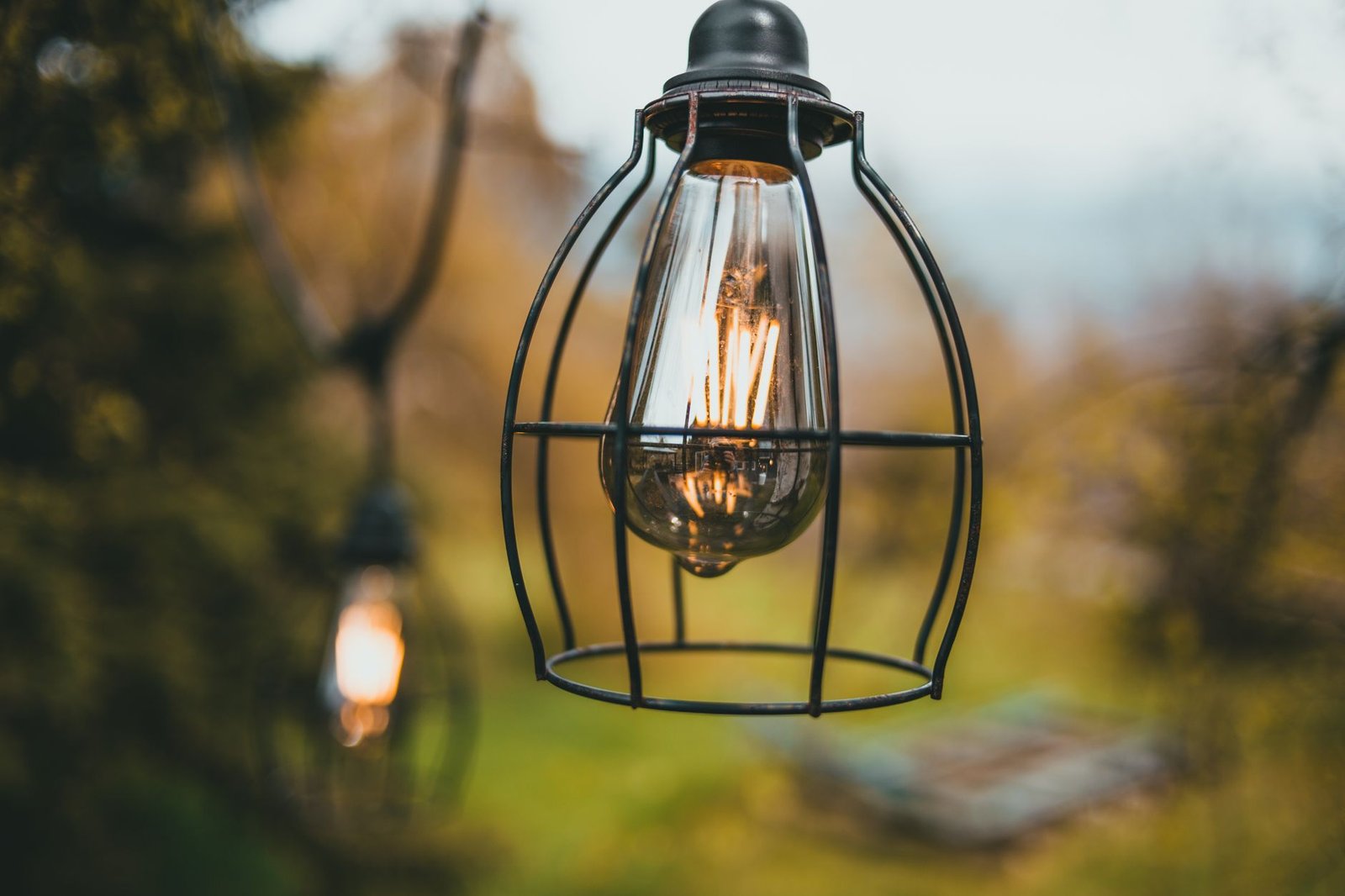
Enhancing a backyard’s aesthetics and functionality through strategic lighting is a paramount consideration for modern homeowners in 2026. The right outdoor lighting not only extends the usability of exterior spaces long after sunset but also dramatically elevates visual appeal, creating inviting atmospheres and highlighting landscape features. This comprehensive guide explores seven essential outdoor lighting ideas designed to transform any backyard into a captivating and practical oasis, integrating the latest industry trends and material developments.
The Transformative Power of Modern Outdoor Lighting
In 2026, outdoor lighting transcends mere illumination, becoming an integral component of landscape design and smart home ecosystems. Contemporary solutions focus on energy efficiency, durability, and seamless integration, utilizing advanced LED technology and robust materials. The goal is to craft layered lighting schemes that serve multiple purposes: guiding pathways, accentuating focal points, providing ambient comfort, and enhancing security. Thoughtful application of these principles ensures a backyard is not only beautiful but also fully functional and safe.
7 Essential Outdoor Lighting Ideas for 2026 Backyards
For residents aiming to elevate their outdoor living experience, these seven ideas represent the pinnacle of modern landscape illumination, blending innovation with timeless design principles.
1. Smart Path and Walkway Illumination
Guiding visitors safely and stylishly is a fundamental aspect of outdoor lighting. In 2026, path lights have evolved beyond simple fixtures, often featuring integrated smart sensors for dusk-to-dawn operation or motion activation. Current trends favor low-profile, glare-free designs using warm-toned LEDs (2700K-3000K) that cast a gentle, diffuse glow. Materials like marine-grade stainless steel and powder-coated aluminum alloys ensure longevity and resistance to harsh weather, reflecting a focus on sustainable, long-lasting investments. Some advanced systems offer tunable white light, allowing the homeowner to adjust color temperature to match ambient conditions or mood.
2. Dynamic Ambient Patio and Deck Lighting
Creating an inviting atmosphere on patios and decks is crucial for domestic comfort. Ambient lighting techniques include popular café-style string lights, often now with app-controlled dimming and RGBW color-changing capabilities. Integrated deck lighting, recessed into stairs, railings, or under capstones, provides discreet yet effective illumination, eliminating trip hazards. For 2026, look for low-voltage systems that utilize durable, UV-resistant composite housings and feature ‘invisible’ wiring solutions that blend seamlessly with the decking material. Portable, rechargeable lanterns with induction charging are also gaining popularity for their flexibility.
3. Architectural and Landscape Feature Lighting
Highlighting the unique elements of a property adds dramatic flair. Up-lighting mature trees, illuminating a textured stone wall, or accenting a water feature transforms the backyard into a nighttime spectacle. Narrow-beam spotlights with adjustable optics allow for precise light placement, minimizing light spill. Advances in LED technology provide robust luminaires that can withstand extreme temperatures and moisture, often encased in corrosion-resistant bronze or anodized aluminum. This year, the trend leans towards emphasizing natural textures and forms, rather than overwhelming them with excessive light.
4. Seamless Smart Home Integrated Lighting Systems
The ultimate convenience in 2026 comes from lighting systems that are fully integrated into the resident’s smart home ecosystem. Through platforms like Apple HomeKit, Google Home, or Amazon Alexa, outdoor lighting can be controlled via voice commands, scheduled routines, or even synchronized with indoor lighting. Matter and Thread protocol compatibility is a key development, ensuring broad interoperability across different brands. These systems allow for creation of complex lighting zones, dynamic scenes, and energy-saving automations, offering unprecedented control and customization.
5. Captivating Water Feature Illumination
Water features—ponds, fountains, and pools—become enchanting focal points when properly lit. Submersible LED fixtures, often with RGBW capabilities and remote control, can create mesmerizing effects as light plays off the water’s movement. For ponds, underwater spotlights can highlight aquatic plants and fish, while above-water fixtures illuminate waterfalls and cascades. The latest designs prioritize waterproof ratings (IP68), energy efficiency, and low heat emission to protect aquatic life. Biodegradable and recycled polymer housings are also becoming more prevalent in sustainable options.
6. Discreet and Effective Security Lighting
Security lighting is about strategic deterrence without sacrificing aesthetics. The aim is to illuminate potential entry points and dark areas without creating an unwelcoming, harsh environment. Modern solutions include motion-activated floodlights that integrate with security cameras, offering high lumen output when needed, then fading to a softer ambient glow or turning off. Intelligent systems can differentiate between human and animal movement, reducing false alarms. Integrated passive infrared (PIR) sensors and smart dimming capabilities ensure security lighting is effective, energy-efficient, and unobtrusive.
7. Task-Specific and Outdoor Kitchen Lighting
For those who frequently cook, dine, or entertain outdoors, task lighting is indispensable. This includes overhead lighting for outdoor kitchens, under-cabinet lighting for prep areas, and focused illumination for grilling stations. Weather-resistant pendant lights and integrated LED strips offer functional brightness without glare. Consider fixtures with high color rendering index (CRI) to accurately represent food colors. Portable, rechargeable magnetic lights are also popular for temporary task illumination, providing flexibility and convenience for various outdoor activities from reading to hobbies.
2026 Trends and Material Innovations in Outdoor Lighting
Beyond the specific applications, several overarching trends define outdoor lighting in 2026:
- Sustainability at the Forefront: Solar technology has advanced significantly, offering reliable, high-output options for many fixtures. Recycled and low-impact materials, alongside increasingly efficient LEDs, are now standard.
- Biophilic Design Integration: Lighting that mimics natural cycles, with tunable white light that shifts color temperature throughout the evening, supports well-being and seamlessly blends with the natural environment.
- Durability and Longevity: Manufacturers are increasingly using robust materials such as marine-grade stainless steel, aerospace-grade aluminum, and advanced composite polymers that resist corrosion, UV degradation, and extreme weather.
- Minimalist Aesthetics: Fixtures are designed to be less visible by day, blending into the landscape, and letting the light itself be the primary design element.
- Personalization and Control: Beyond smart home integration, modular lighting systems allow for greater customization of light patterns, beam angles, and color schemes, empowering the user to tailor their environment precisely.
Maximizing Impact and Enjoyment
Implementing these essential outdoor lighting ideas requires a thoughtful approach to layering and zoning. By combining ambient, task, and accent lighting, the homeowner can create a dynamic and versatile outdoor space. Consulting with a landscape architect or lighting designer can ensure that the chosen solutions are not only aesthetically pleasing but also technically sound and optimally positioned for maximum effect. In 2026, a well-lit backyard is not just an amenity; it is an extension of the home’s comfort, style, and smart living capabilities, promising years of enhanced enjoyment and increased property value.