
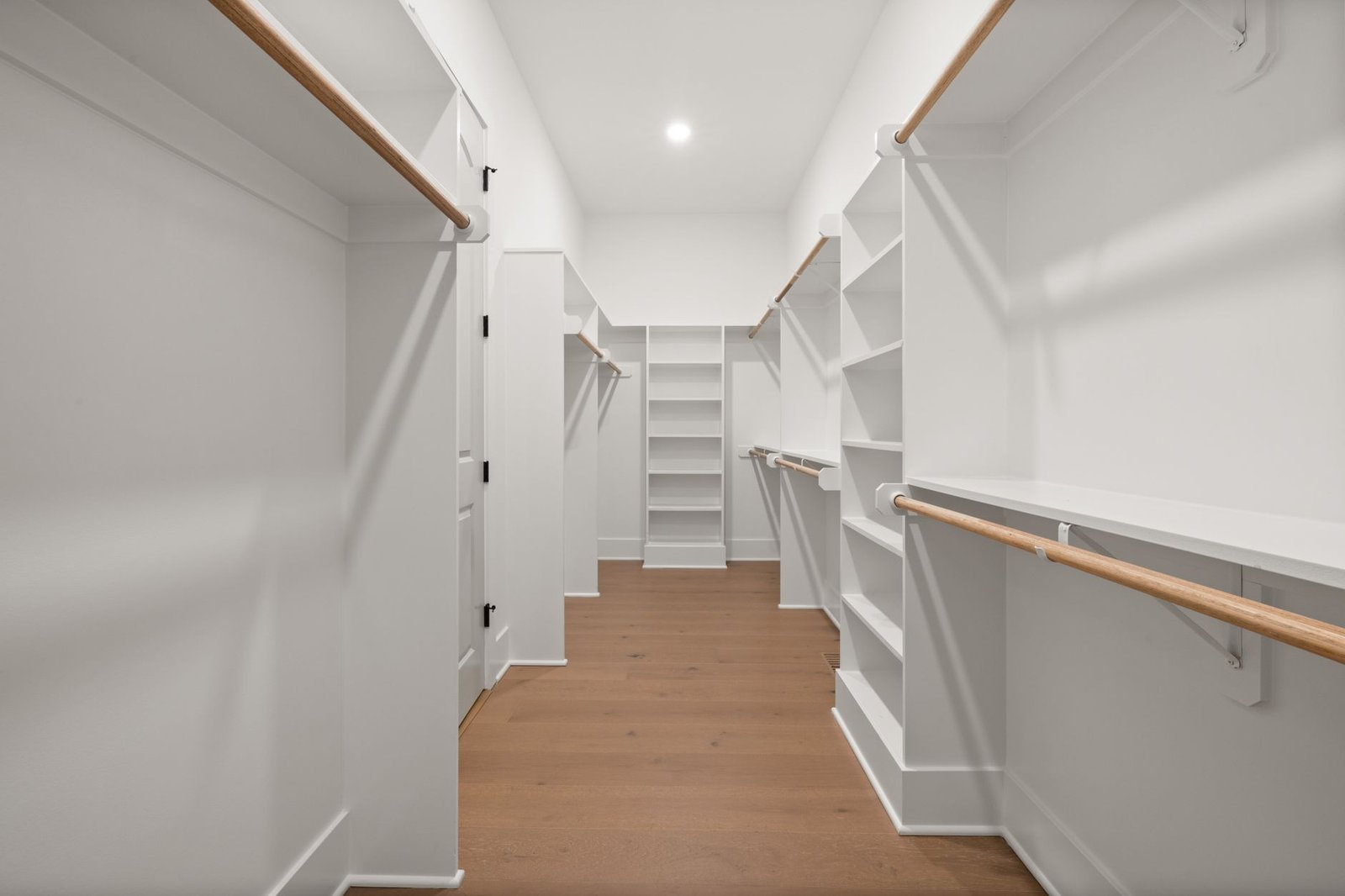
A small closet can often feel like an insurmountable challenge, transforming a vital storage area into an inefficient, cluttered space. However, an unusable small closet can indeed be transformed into a highly organized and functional space through strategic upgrades. This article guides the homeowner through five transformative closet system upgrades, ranging from accessible DIY solutions to sophisticated modular kits and professional custom designs, all incorporating the latest 2026 trends for optimal organization.
Understanding the Small Closet Challenge
The inherent limitations of a small closet often lead to common frustrations for the resident. Restricted floor space and inadequate vertical utilization contribute to items being piled, making retrieval difficult and creating a visual mess. Traditional single-rod, single-shelf configurations rarely maximize potential, leaving significant unused areas. This inefficiency not only impacts daily routines but also diminishes the overall domestic comfort, making the act of getting ready or storing seasonal items a chore rather than a simple task. Addressing these spatial constraints effectively is the first step toward reclaiming valuable square footage and enhancing organizational flow.
The 2026 Closet Upgrade Landscape
The year 2026 brings exciting advancements in home organization, focusing on sustainability, smart technology, and adaptability. Modern closet systems prioritize efficient space utilization, intuitive design, and materials that align with eco-conscious living. Trend forecasts indicate a strong lean towards multi-functional components, integrated lighting, and modularity that can evolve with the resident’s needs. Material developments include lightweight yet robust recycled plastics for shelving, sustainably sourced bamboo, and engineered wood composites with enhanced durability and aesthetic appeal. Smart storage solutions, often incorporating sensors and digital inventory management, are also gaining prominence, offering unprecedented levels of control and convenience for the discerning homeowner.
5 Transformative Closet System Upgrades
DIY Customizations for the Savvy Resident
For the budget-conscious or hands-on homeowner, DIY solutions offer significant transformation with minimal investment. Simple additions can dramatically improve a small closet’s functionality.
- Adjustable shelving units: Installing multiple, adjustable shelves allows the resident to customize storage heights for different items, from folded clothes to shoe boxes.
- Pegboards and slat walls: These provide versatile vertical storage for accessories, tools, or frequently used items, keeping them visible and accessible.
- Tension rods: Easily installed, tension rods can create additional hanging space for shorter garments or tiers within existing hanging areas.
- Stackable bins and drawer inserts: Maximizing vertical space within shelves, these contain clutter and categorize items effectively.
Modern DIY options often involve pre-cut lumber from sustainable forests or lightweight aluminum, making installation straightforward and environmentally responsible.
Modular Closet Systems: Flexibility Redefined
Modular closet systems represent a popular middle-ground, offering professional aesthetics and functionality with easier installation than custom builds. These systems consist of pre-fabricated components—shelves, drawers, hanging rods, and cubbies—that can be assembled and reconfigured to fit specific closet dimensions and storage needs.
- Ease of installation and reconfigurability: Modular units often feature tool-less assembly or simple hardware, allowing the homeowner to adapt the layout as storage requirements change.
- Variety in finishes and materials: Contemporary modular systems offer diverse aesthetics, from sleek laminates to solid wood, often incorporating recycled MDF or bamboo for sustainable choices.
- Scalability: Residents can start with a basic system and add components over time, making it a flexible long-term solution.
Many manufacturers in 2026 are focusing on slim profiles and interlocking designs to maximize space in compact areas.
Professional Custom Builds: Tailored Precision
For optimal space utilization and a truly bespoke solution, professional custom closet systems are unmatched. These designs are meticulously tailored to every inch of the small closet, addressing specific items and storage preferences.
- Maximized efficiency: Designers can incorporate specialized compartments for shoes, jewelry, scarves, or specific garment types, ensuring no space is wasted.
- Seamless integration: Custom builds often extend from floor to ceiling, creating a built-in look that elevates the room’s aesthetic.
- High-quality materials and finishes: Professionals offer a vast selection of premium materials, including sustainable hardwoods, sophisticated hardware, and durable, easy-to-clean surfaces that enhance longevity and appearance.
While a higher initial investment, custom solutions provide superior organization and often add significant value to the home.
Smart Storage Solutions & Tech Integration
The integration of technology into closet systems is a defining trend for 2026, bringing unparalleled convenience and efficiency to home organization.
- Integrated LED lighting: Motion-activated or app-controlled lighting illuminates dark corners, making item identification easier.
- Sensor-based inventory management: Some advanced systems use small sensors to track items, helping the resident remember where things are stored or alerting them to items that need attention.
- Climate control features: For delicate garments or luxury items, integrated humidity and temperature control can preserve their quality over time.
- Automated features: Future-forward closets may include automated racks or rotating shelves, optimizing access to stored items with a touch of a button.
These innovations streamline daily routines and offer a glimpse into the future of domestic comfort.
Sustainable Material Choices & Eco-Friendly Design
As environmental consciousness grows, the demand for sustainable and eco-friendly closet solutions has surged in 2026. Choosing the right materials not only benefits the planet but often provides durable and aesthetically pleasing options.
- Recycled and reclaimed materials: Options like recycled content MDF, reclaimed wood, and even upcycled plastics are popular for shelves, drawer fronts, and organizational bins.
- Bamboo and cork: Rapidly renewable resources such as bamboo offer strength and a natural aesthetic for shelving and drawer organizers. Cork provides a soft, protective surface.
- Low VOC finishes: Prioritizing finishes with low volatile organic compounds ensures better indoor air quality for the resident.
- Durability and longevity: Sustainable design emphasizes creating products that last longer, reducing the need for frequent replacements and minimizing waste.
Embracing these materials contributes to a healthier home and a reduced ecological footprint.
Choosing the Right Upgrade for the Home
Selecting the ideal closet system upgrade requires careful consideration of several factors. The resident should assess the existing space’s dimensions, the volume and type of items to be stored, and the available budget. DIY solutions are excellent for immediate, cost-effective improvements, while modular systems offer greater flexibility and a polished look for a moderate investment. Custom builds provide the ultimate in tailored design and long-term value for those seeking a premium, permanent solution. Integrating smart technology enhances convenience, and prioritizing sustainable materials aligns the upgrade with modern ecological values. Evaluating these aspects will guide the homeowner toward the most effective and satisfying organizational transformation.
Future-Proofing the Organized Closet
An organized closet is not a static entity; it should evolve with the resident’s lifestyle and storage needs. When planning any upgrade, considering future adaptability is crucial. Opting for adjustable elements, reconfigurable modular components, or designs that can easily integrate new technologies will ensure the closet remains functional and efficient for years to come. Investing in quality materials, whether sustainable or traditional, also contributes to longevity. A thoughtfully designed and organized small closet, regardless of its initial size, significantly enhances daily living and overall domestic comfort, proving that even the most challenging spaces can become areas of sophisticated efficiency and calm.