
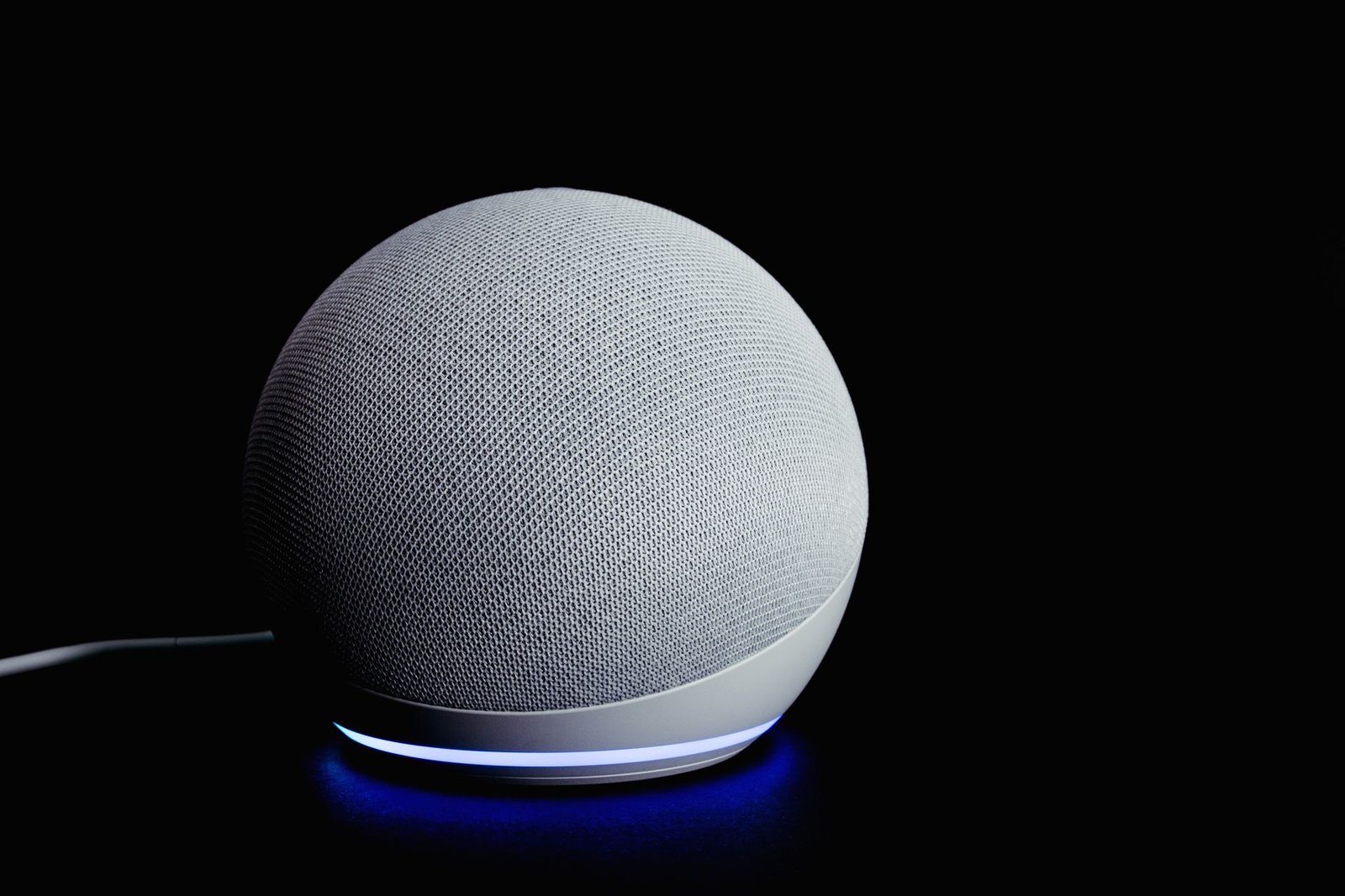
In 2026, the decision between Amazon Alexa and Google Home remains a central consideration for homeowners seeking to integrate intelligent assistance into their living spaces. This comparison aims to delineate which smart assistant offers superior functionality and a more cohesive experience for modern residences, evaluating evolving technologies and user expectations. The optimal choice largely hinges on the resident’s existing digital ecosystem and specific preferences for smart home management.
The Evolving Smart Home Landscape in 2026
The smart home environment in 2026 is characterized by significant advancements in artificial intelligence, seamless interoperability, and a heightened focus on energy efficiency and sustainable device design. The maturation of the Matter protocol has profoundly simplified device pairing and cross-platform compatibility, rendering the core issue less about device support and more about ecosystem depth and AI sophistication. Devices are increasingly incorporating recycled materials and bioplastics, reflecting a broader industry commitment to sustainability. Edge computing is becoming more prevalent, allowing for faster, more private on-device processing of common commands.
Feature Showdown: Capabilities and Innovation
Voice Control and AI Sophistication
Both Alexa and Google Assistant have made substantial strides in natural language processing and contextual understanding. Alexa’s strength often lies in its customizable Routines and an extensive library of Skills, allowing for highly personalized automation sequences. Google Assistant, conversely, frequently demonstrates superior predictive intelligence, offering proactive suggestions based on the user’s schedule, location, and past behaviors. In 2026, both platforms boast enhanced multi-modal interactions, where voice commands are seamlessly complemented by visual feedback on smart displays, and AI models have improved conversational flow significantly.
Personalized user profiles are more robust than ever, enabling the smart assistant to distinguish between different household members and tailor responses and actions accordingly. This hyper-personalization extends to proactive assistance, where the system anticipates needs, such as dimming lights when a movie is about to start or suggesting weather-appropriate attire based on calendar events.
Entertainment and Media Integration
For entertainment, the choice often aligns with a resident’s preferred media ecosystem. Alexa maintains deep integration with Amazon Music, Audible, and Fire TV, offering a comprehensive entertainment hub for Amazon Prime subscribers. Google Home excels with YouTube Music, Spotify, and its ubiquitous Chromecast streaming technology, making it a natural fit for those heavily invested in Google’s media services. Both platforms now support a wide array of third-party streaming services, but their native integrations offer the most streamlined experiences.
Smart Home Device Control
The advent and widespread adoption of the Matter protocol have largely leveled the playing field for basic device control. Both Alexa and Google Home now offer robust support for a vast array of smart devices, regardless of their original brand. Alexa historically enjoyed a broader lead in sheer device breadth, while Google Home demonstrated stronger integration with its own Nest products and a more unified smart home app experience. In 2026, both platforms seamlessly integrate with Matter-enabled devices, as well as legacy Zigbee, Z-Wave, and Thread devices through compatible hubs. This means the homeowner’s existing smart devices are less of a barrier to entry for either ecosystem.
Ecosystem Compatibility and Interoperability
Wider Ecosystem Reach
The broader digital ecosystem is a critical differentiator. Alexa’s profound integration with the Amazon ecosystem provides unparalleled convenience for shopping, package tracking, and managing devices like Ring security cameras and Eero mesh Wi-Fi systems. This makes it an attractive choice for residents who frequently use Amazon services.
Google Home, by contrast, is deeply interwoven with Google’s suite of services, including Calendar, Gmail, Maps, and YouTube. For homeowners heavily reliant on Android devices and Google’s productivity tools, Google Assistant offers a more cohesive and contextually aware experience. The synergy between a Google Pixel phone, a Nest Hub, and Google Workspace applications can create a powerfully integrated personal assistant.
Developer Community and Third-Party Integrations
Both platforms boast extensive developer communities, leading to a rich array of third-party integrations (Alexa Skills and Google Actions). While the sheer number of Alexa Skills might appear larger, Google Actions often benefit from Google’s deep semantic understanding and contextual awareness. Specific niche devices or services might still favor one platform over the other, making it prudent for the resident to check compatibility for unique smart home components.
Privacy and Data Management in the AI Era
Data Collection and Usage Policies
Concerns about data privacy remain paramount for residents. Both Amazon and Google have introduced more transparent policies and granular controls for managing voice recordings and usage data. Users can typically review, delete, and opt-out of sharing their voice interactions. In 2026, there is an increased emphasis on on-device processing for routine commands, reducing the amount of data sent to the cloud and enhancing privacy. Anonymization efforts have also advanced, making it harder to link aggregated data back to individual users.
Security Protocols
Security protocols have seen continuous improvement across both platforms. Enhanced encryption for data in transit and at rest is standard. Biometric authentication and voice print recognition for sensitive commands (e.g., unlocking doors, making purchases) are more prevalent, providing an additional layer of security. Regular software updates are crucial for maintaining device security against emerging threats, and both companies have robust update schedules.
User Experience and Accessibility
Ease of Setup and Daily Use
The initial setup processes for both Alexa and Google Home devices are generally straightforward, guided by intuitive mobile applications. Google Home often receives praise for its clean, user-friendly app interface, while Alexa’s app provides extensive customization options. Daily use benefits from increasingly natural conversation capabilities and predictive assistance, making interactions more intuitive and less command-based.
Accessibility Features
Both platforms offer comprehensive accessibility features, including multi-user voice profiles, personalized routines, and visual feedback on smart displays. Multi-language support has expanded significantly, and regional nuances in speech are better understood. The ability to customize spoken rates and visual themes further enhances accessibility for diverse users.
Future-Proofing the Smart Home
Considering future-proofing, both Amazon and Google are heavily invested in AI research and development. Their respective commitment to integrating new AI models and technologies, frequent software updates, and contributions to open standards like Matter suggest a robust future. The resident should consider which company’s long-term vision and existing product roadmap best align with their own expectations for technological evolution in their home.
Making the Informed Decision for the 2026 Home
The determination of which smart assistant is