
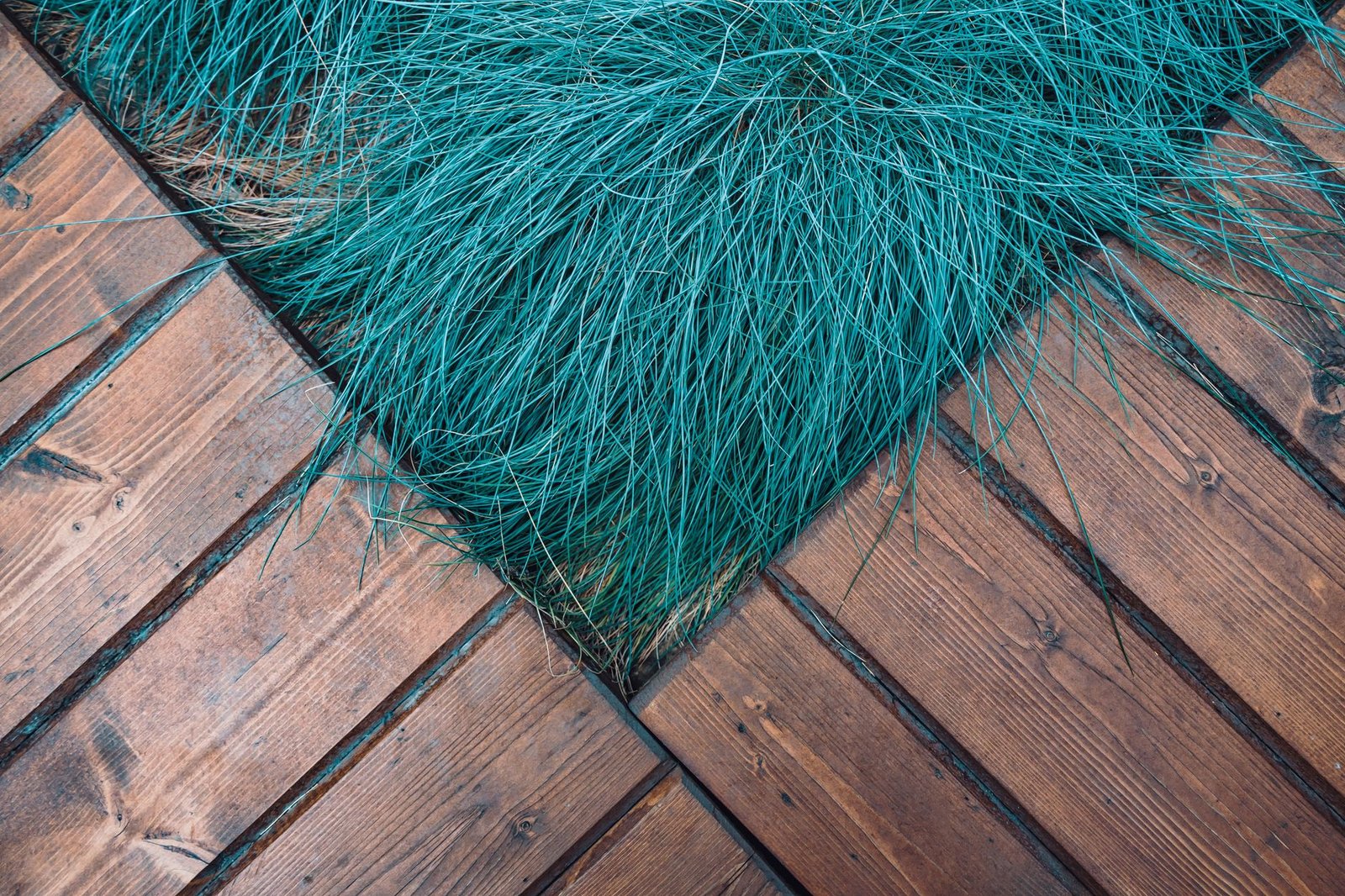
When planning a new outdoor living space for 2026, one of the most significant decisions involves selecting the primary decking material. The choice between composite decking and natural wood is pivotal, as each offers distinct advantages and considerations regarding durability, maintenance, cost, and environmental impact. The optimal selection ultimately hinges on the homeowner’s specific priorities, lifestyle, and long-term vision for their outdoor sanctuary.
The Enduring Allure: Natural Wood Decking in 2026
Natural wood decking continues to captivate residents seeking an authentic, organic aesthetic. Its inherent warmth, unique grain patterns, and tactile appeal are difficult to replicate, making it a timeless choice for many.
Aesthetics and Tactile Experience
Natural wood offers an aesthetic depth and character that evolves over time. Species like pressure-treated pine, cedar, redwood, and exotic hardwoods such as Ipe or Cumaru provide a vast spectrum of colors and textures. In 2026, advancements in wood treatments and finishes allow for enhanced preservation of natural beauty, offering UV protection and mold resistance while maintaining the wood’s genuine feel underfoot.
Durability and Longevity Considerations
The durability of natural wood varies significantly by species and treatment. Pressure-treated pine remains a cost-effective choice, with modern treatments in 2026 providing improved resistance against rot, decay, and insect infestation. However, it can be prone to warping and splintering over time without diligent care. Cedar and redwood offer natural resistance but are softer and more susceptible to scratching. Tropical hardwoods, known for their exceptional density and natural oils, boast impressive longevity and resistance to pests and decay, often outlasting many domestic softwoods. However, even these high-performing woods require ongoing protection from the elements to prevent graying and surface degradation.
Maintenance Commitments
Natural wood requires a higher level of maintenance compared to composite options. This typically involves annual or biennial cleaning, sanding, staining, and sealing. Failure to adhere to a regular maintenance schedule can lead to accelerated weathering, color fading, cracking, and eventual structural compromise. For the resident prioritizing a hands-off approach, this aspect can be a significant drawback.
Initial and Long-Term Costs
The upfront cost of natural wood decking can be lower than composite, particularly for species like pressure-treated pine. However, this initial saving must be balanced against the long-term expenses associated with maintenance. Over a 10-20 year lifespan, the cumulative cost of cleaners, stains, sealants, and labor for natural wood can often exceed the initial price difference with composite materials.
Environmental Footprint
The environmental impact of natural wood depends heavily on its sourcing. FSC-certified wood ensures responsible forestry practices, promoting sustainability. Wood is a renewable resource and is biodegradable at the end of its life, making it an attractive option for environmentally conscious homeowners. Modern wood treatments in 2026 are also trending towards lower VOC (Volatile Organic Compound) formulas, further reducing environmental impact.
The Modern Marvel: Composite Decking in 2026
Composite decking, a blend of wood fibers and recycled plastics, has evolved significantly, becoming a formidable contender for 2026 patio projects. Modern manufacturing has dramatically improved its aesthetics and performance.
Advanced Material Composition and Aesthetics
Contemporary composite decking, including wood-plastic composites (WPC) and PVC decking, offers stunning realism. Thanks to advanced manufacturing techniques in 2026, these materials now feature highly convincing wood grain textures, multi-tonal streaking, and rich, fade-resistant color palettes that mimic exotic hardwoods with remarkable fidelity. Capstock technology, where a protective polymer shell encases the composite core, is standard, enhancing scratch, stain, and fade resistance while providing a superior aesthetic finish.
Unparalleled Durability and Resilience
One of composite decking’s most compelling attributes is its exceptional durability. It is engineered to resist rot, decay, insects, splinters, and warping. The advanced capstock layers prevalent in 2026 offerings provide superior protection against UV fading, moisture absorption, and everyday wear and tear. This resilience means composite decking maintains its appearance and structural integrity for decades, even in harsh climates, significantly outperforming most natural woods in low-maintenance longevity.
Minimal Maintenance, Maximum Enjoyment
For the resident seeking a truly low-maintenance outdoor space, composite decking is an ideal solution. It requires no staining, sealing, or painting. Periodic cleaning with soap and water is typically sufficient to maintain its appearance. This drastically reduces the time, effort, and cost associated with upkeep, allowing homeowners more time to enjoy their patios rather than maintaining them.
Cost Analysis: Upfront vs. Lifecycle
The initial purchase price of composite decking is generally higher than that of most natural wood options. However, when considering the total cost of ownership over its lifespan, composite often proves to be the more economical choice. The absence of recurring maintenance costs—such as stains, sealants, and professional labor—translates into substantial long-term savings, often offsetting the higher upfront investment within a few years.
Environmental Impact: Sustainability in Focus
Modern composite decking frequently incorporates a significant percentage of recycled materials, including reclaimed wood fibers and post-consumer plastics, contributing to waste reduction. Its long lifespan means fewer materials are consumed over time compared to wood decking that may require more frequent replacement. While not biodegradable, the long-term durability and use of recycled content contribute to its sustainability profile, appealing to environmentally conscious homeowners in 2026.
2026 Industry Trends and Innovations Shaping the Choice
The year 2026 brings exciting developments in both natural wood and composite decking, influencing homeowner decisions.
- Hyper-Realistic Composites: New printing and embossing technologies allow composite manufacturers to create surfaces that are virtually indistinguishable from rare and exotic hardwoods, including unique knots and grain variations.
- Integrated Smart Features: Both decking types are seeing innovations with integrated elements. Composites lead with hidden fastening systems, built-in LED lighting, and modular designs. Natural wood solutions also benefit from smarter installation techniques that enhance longevity and aesthetics.
- Enhanced Sustainability Practices: A greater emphasis is placed on responsibly sourced materials. For natural wood, this means more accessible FSC-certified options and new non-toxic wood treatments. For composites, the trend is towards higher percentages of recycled content and more transparent manufacturing processes.
- Performance Coatings for Natural Wood: Advanced polymer-based coatings and penetrating oil finishes for natural wood are extending maintenance intervals and offering superior protection against UV damage and moisture, bridging the gap somewhat with composite performance.
Making the Informed Decision: Which is Best for the 2026 Homeowner?
The